
In the ever-evolving landscape of manufacturing, the demand for high-quality products is paramount. This is where exemplary Automated Embossing Equipment Companies come into play. John Smith, a leading expert in the field, once remarked, “The right equipment can transform your production line.” His insight underscores the vital role these companies play in enhancing efficiency and product quality.
As we approach 2026, selecting the best Automated Embossing Equipment Company becomes increasingly critical. Customers often seek innovative solutions while balancing cost and performance. Several companies stand out, but their offerings vary widely. It’s essential to assess their technology, reliability, and support services. Many manufacturers face challenges in meeting these criteria.
User reviews and expert opinions provide valuable perspectives. However, some reviews may be biased or unrepresentative. It's imperative to analyze them critically. The journey to find the ideal partner in this industry may require reflection on your unique needs and expectations.
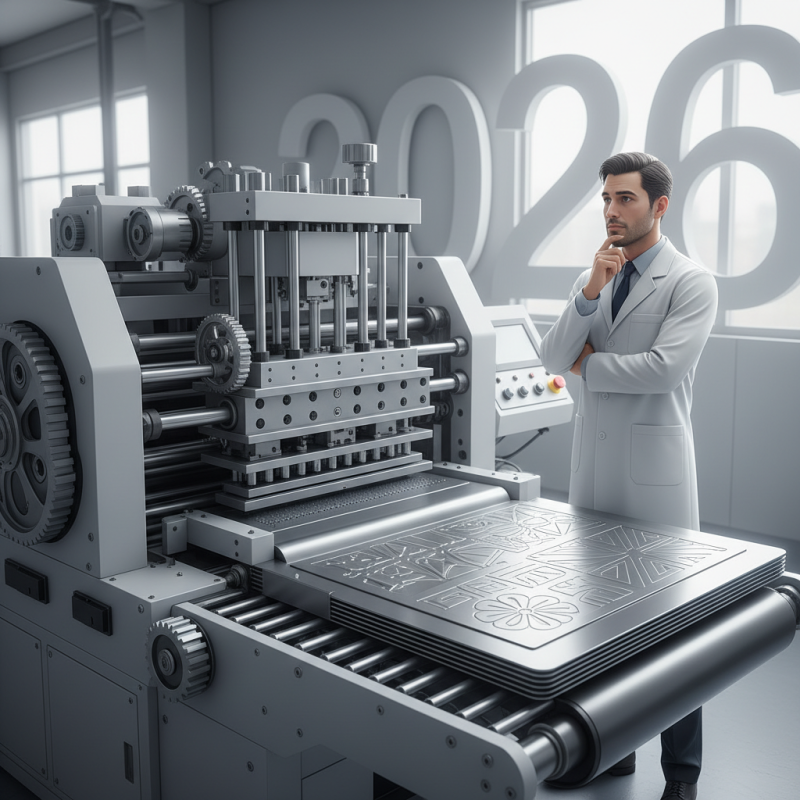
The automated embossing equipment market is evolving rapidly in 2026. This technology is integrating advanced mechanics and software systems, enhancing precision. Reports indicate a significant increase in demand for automated solutions, particularly in packaging and printing sectors. In 2023, the market value reached approximately $1.3 billion, with projections estimating a growth rate of 7.5% annually through 2030.
Investors are increasingly interested in these systems for their efficiency. They reduce human error and operational costs while improving output quality. However, some operations still rely on outdated technology. This reliance raises questions about scalability and competitiveness in the market. Upgrading to modern systems can seem daunting, but the benefits often outweigh initial costs.
Tips: Regular maintenance is paramount for optimal performance. Ensure your equipment is serviced annually to prevent downtime. It's also essential to review your workflow regularly. Are there areas for improvement? Evaluate your current processing times and look for bottlenecks. Transitioning to automated systems can streamline operations, but careful planning is key. The transition may not be perfect, but it can lead to innovative solutions.
In the world of automated embossing machines, key features are crucial for selecting the right equipment. One essential technology is precision control. Machines that offer high accuracy ensure consistent results across large volumes. This precision reduces material waste, enhancing overall efficiency. Moreover, advancements in digital controls provide real-time adjustments, allowing operators to fine-tune settings easily.
Another significant aspect to consider is the versatility of materials. Many modern embossing machines handle various substrates, from paper to plastics. This adaptability opens avenues for diverse projects. However, not all machines deliver the same quality across different materials. Some may struggle with adhesion or detail, requiring careful evaluation during the selection process.
Automation is also important for productivity. While many machines streamline workflows, others may slow down with complex designs. Users must reflect on their specific needs and production volumes. A machine that works well for one project might not suit another. This variability emphasizes the importance of thorough research and reviews when choosing the best equipment for embossing tasks.
| Feature | Technology Type | Speed (units/hour) | Precision (mm) | Energy Consumption (kW) |
|---|---|---|---|---|
| User-Friendly Interface | Hydraulic | 1000 | 0.05 | 5 |
| Automatic Material Feed | Electric | 1200 | 0.03 | 4 |
| Integrated Cooling System | Pneumatic | 900 | 0.04 | 6 |
| Multi-Function Capability | Hybrid | 1100 | 0.02 | 3.5 |
The automated embossing equipment market continues to evolve, driven by innovations and technological advancements. A recent report by Market Research Future highlights that the global market is expected to surpass $1.5 billion by 2026, reflecting a compound annual growth rate (CAGR) of 6.2%. This growth is fueled by increased demand in packaging, security printing, and promotional materials. Companies are recognizing the importance of efficient and versatile equipment that can enhance their production capabilities.
Market leaders in automated embossing recognize the diverse needs of their clients. Versatility in design and ease of use are crucial for businesses aiming to stay competitive. A study by Smithers indicates that 40% of packaging companies prefer equipment capable of multi-process functionality. This fact underscores the necessity for manufacturers to innovate continuously. However, challenges remain, such as adapting to shifts in consumer preferences and regulatory standards. Companies investing in R&D report better alignment with market demands, yet many still struggle to balance cost and quality.
Emerging practices include integration with digital technologies. Many industry experts stress the significance of automation for efficiency. However, there is a cautionary note: not all businesses have the expertise needed for a smooth transition. Reports suggest that 25% of companies encounter significant hurdles when updating their machinery. This gap in knowledge can hinder growth. Continuous learning and adaptation are essential for overcoming these barriers. The future of automated embossing equipment lies not just in cutting-edge technology, but also in a commitment to training and development.
This bar chart illustrates the market share percentages of various automated embossing equipment segments based on performance and revenue predictions for 2026.
The future of embossing technology is evolving rapidly. Companies are adopting more automated processes. This shift ensures efficiency and precision. The demand for high-quality prints is driving innovation. Businesses seek equipment that delivers consistent results with minimal downtime.
Sustainability is becoming a key focus. Many manufacturers are exploring eco-friendly materials. This trend is crucial in attracting environmentally conscious customers. Yet, the challenge remains: balancing quality with sustainable practices. Some companies struggle to implement these green technologies effectively.
Emerging trends also highlight personalization. Custom embossing solutions are gaining traction. Clients want unique, tailored designs. However, adapting to this demand requires investments in advanced technology. As the industry changes, companies must remain agile and reflective. They need to evaluate their processes continuously to stay competitive. Understanding these trends could shape the future landscape of embossing technology.
In the embossing sector, performance metrics play a crucial role in defining equipment reliability and customer satisfaction. Companies often focus on speed and accuracy in their automated embossing machines. However, it’s essential to consider maintenance requirements and whether the equipment can adapt to different materials. For example, a machine that excels in paper embossing might struggle with plastics, which highlights the need for versatility.
Customer feedback often reveals valuable insights. Many clients prioritize ease of use and the support they receive post-purchase. A common concern is the availability of technical support when issues arise. Companies should regularly assess their service commitments to ensure customer trust. If a product fails, how responsive is the manufacturer? These reflections matter.
Tips: Always ask for a demonstration before making a purchase. Understanding how the equipment works can save you time and money. Evaluate your long-term needs to avoid buying equipment that quickly becomes obsolete. Remember, cheaper isn't always better. Make informed decisions that benefit your production line in the long run.
We are here to help you with all your queries and concerns, just write to us using the below form and we will get back to you as soon as we can.