2026 Best Condensate Pump Hose Options for Global Buyers?
In the evolving landscape of HVAC systems, selecting the right condensate pump hose is critical for efficiency. According to a recent report by Market Research Future, the global condensate pump market is expected to grow significantly, with a projected CAGR of 5.6% over the next five years. As the demand for reliable drainage solutions rises, understanding the various hose options available becomes essential.
Renowned expert Dr. Emily Hart, a leading authority in HVAC technologies, emphasizes, "The choice of condensate pump hose directly impacts the performance and longevity of HVAC systems." The right hose ensures effective transport of condensate while preventing leaks and system failures. However, many buyers overlook the material durability and size specifications, which are vital for optimal operation.
Buyers should carefully assess industry standards and hose compatibility. Inconsistent product quality can lead to costly mistakes. Some suppliers offer a wide variety of options, but not all meet rigorous testing criteria. It's essential to find a balance between cost and quality. Investing in the best condensate pump hose options can save time and money, making informed decisions more important than ever.
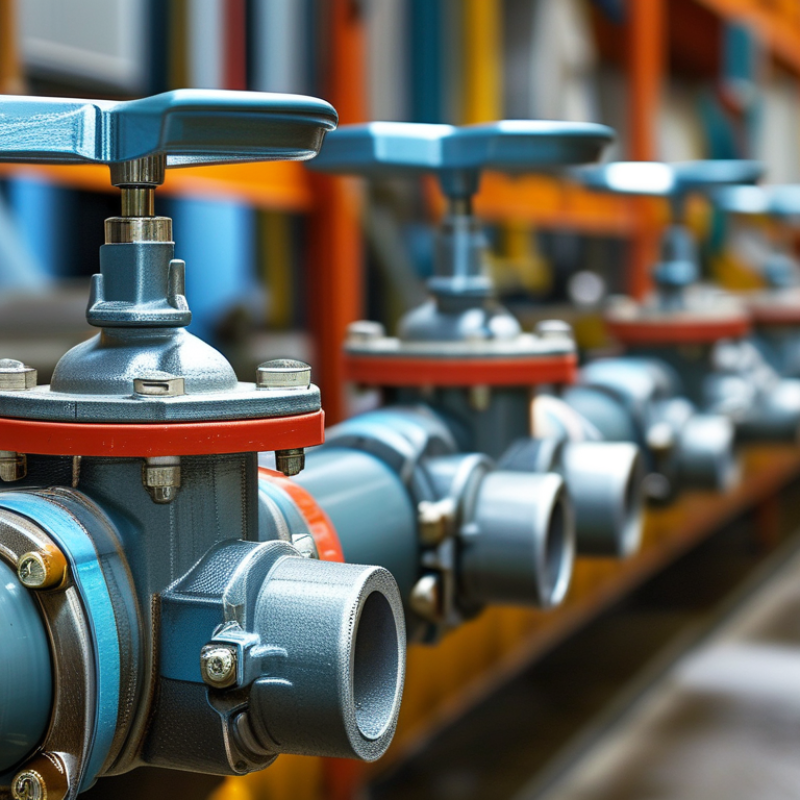
Best Condensate Pump Hose Options Overview for 2026
When selecting condensate pump hoses in 2026, understanding your options is crucial. High-quality hoses play a vital role in efficient drainage systems. Industry reports indicate that improper hose selection leads to nearly 30% of pump inefficiencies. This means that choosing the right material and size is more than just a technical detail; it's a necessity for overall system performance.
Hoses crafted from thermoplastic elastomers (TPE) and reinforced PVC show promising durability. These materials resist wear and withstand varying temperatures, ensuring longevity. Reports show that TPE hoses outperform traditional rubber options in flexibility and resistance to environmental factors. Proper sizing also prevents pressure drops, which can hinder performance. Without meticulous attention to these details, users may face costly repairs or replacements.
Tip: Always verify compatibility with your system. Check for temperature and pressure ratings specific to your needs. Another aspect often overlooked is hose length; too much can cause unnecessary friction. Remember to inspect hoses regularly for signs of wear. Minor issues can escalate if left unaddressed. By being proactive, you ensure your condensate pump system operates efficiently.
Key Features to Consider in Condensate Pump Hoses
When selecting condensate pump hoses, key features matter immensely. One crucial aspect is the hose material. Options often include durable rubber or flexible PVC. The choice impacts longevity and resistance to high temperatures, with reports indicating that rubber can withstand more extreme conditions than PVC. Buyers should evaluate the environment to determine the best fit.
Diameter is another significant consideration. Standard sizes range from ¾ to 1 inch. A tighter diameter can create higher pressure. This feature can be beneficial or detrimental, depending on the application. Buyers should ensure compatibility with existing systems. Inadequate sizing might lead to inefficient operation.
**Tip:** Always look for hoses with a smooth internal surface. This design reduces the risk of clogs, enhancing performance.
Another feature to examine is the flexibility of the hose. A flexible hose allows for easier installation, especially in tight spaces. However, overly flexible hoses may kink, hurting performance. Understanding the balance between rigidity and flexibility is essential.
**Tip:** Test for both flexibility and kinking before purchase. A practical approach ensures a reliable selection.
Consulting industry reports reveals that the wrong hose can impact efficiency. Up to 30% more energy may be consumed if the hose is unsuitable. Such inefficiencies underscore the importance of informed decision-making.
Types of Materials for Condensate Pump Hoses: Pros and Cons
When considering condensate pump hoses, the choice of material significantly influences performance and durability. Common materials include PVC, rubber, and reinforced thermoplastic. Each has its own pros and cons. For instance, PVC is lightweight and cost-effective but may become brittle over time. Rubber hoses offer flexibility and resistance to extreme temperatures, though they can be pricier.
Reinforced thermoplastic hoses combine strength with lightweight properties. They withstand high pressures and resist corrosion, making them ideal for various industrial applications. Industry reports suggest that reinforced options account for over 30% of the market due to their versatility and reliability. However, they can be less flexible than rubber, which might limit their use in tighter spaces.
Tip: Always check the temperature and pressure ratings of your selected hose to ensure compatibility with your system. Regular inspections can help identify wear and tear. Remember, using the right material is crucial for optimal performance, but it's essential to reflect on specific operational needs and conditions that might affect long-term use.
2026 Best Condensate Pump Hose Options for Global Buyers
| Material Type | Pros | Cons | Ideal Application |
| PVC | Durable, lightweight, cost-effective | Limited temperature resistance | Residential HVAC systems |
| Rubber | Flexible, excellent temperature resistance | Can be more expensive | Industrial condensate systems |
| Stainless Steel | Highly durable, corrosion resistant | Heavy and expensive | High-pressure applications |
| Silicone | Great flexibility, high heat resistance | Higher initial cost | Specialized HVAC applications |
| Polyethylene | Lightweight, resistant to chemicals | Lower temperature ratings | Low-pressure applications |
Top Brands in the Market for Condensate Pump Hoses
Choosing the right condensate pump hose is crucial for any HVAC system. The best hoses must be durable and flexible. High-quality materials enhance reliability. They should withstand high temperatures and resist kinks. Look for hoses that offer optimal flow rates.
Market leaders offer a variety of options. Their products often come with features that cater to specific needs. Some hoses are resistant to corrosion, while others excel in heavy-duty applications. It’s essential to assess these factors for your unique requirements.
Buyers face challenges in selecting ideal hoses. Many options exist, leading to confusion. It’s important to consider the installation environment. Compatibility with your pump is vital. Making an informed choice ensures efficiency and longevity in your HVAC systems.
2026 Best Condensate Pump Hose Options for Global Buyers
Global Sourcing Tips for Buyers in 2026
In 2026, sourcing condensate pump hoses requires careful consideration. Global buyers must prioritize quality and materials. Look for hoses that can withstand various temperatures and pressures. A well-built hose minimizes leaks and failures. This reliability is crucial in industrial settings.
When sourcing, evaluate suppliers' credibility. Check their experience in manufacturing condensate pump hoses. Reliable suppliers often provide detailed product specifications. Ask for samples before committing to large orders. This step helps assess quality firsthand. Also, consider the manufacturing process. Transparent operations signal trustworthiness.
Don't overlook shipping and customs regulations. Understand the costs involved when importing hoses. Unexpected fees can impact your budget. Communication with suppliers should be clear and prompt. Discuss lead times and potential delays, especially if you're sourcing from different regions. Each detail matters in ensuring that the entire process runs smoothly.