2026 Best Pump to Pump Water Solutions for Your Needs?

In the evolving landscape of water management, choosing the right pump to pump water is crucial for efficiency. According to the U.S. Environmental Protection Agency, over 20% of energy used in the water sector comes from pumping. This highlights the importance of efficiency in pump systems. Industry expert Dr. Emily Carter emphasizes this, stating, “The right pump can reduce operational costs dramatically.”

Choosing a pump is not just about the brand. It’s about understanding your specific needs and the environment where it will operate. Various factors, such as water source, flow rate, and the terrain, can greatly affect performance. Reports indicate that incorrect pump selection can lead to inefficiencies and costly repairs—issues that many overlook.

Complex systems often need tailored solutions. Some consumers may not realize that even small adjustments in a pump's configuration can lead to significant improvements. Reflecting on these choices can often uncover areas needing improvement. The best approach is to analyze options and consult professionals for effective decision-making in pump to pump water systems.

2026 Best Pump to Pump Water Solutions for Your Needs?

Understanding Different Types of Water Pumps for Various Applications

2026 Best Pump to Pump Water Solutions for Your Needs?

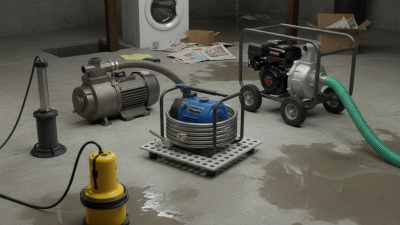
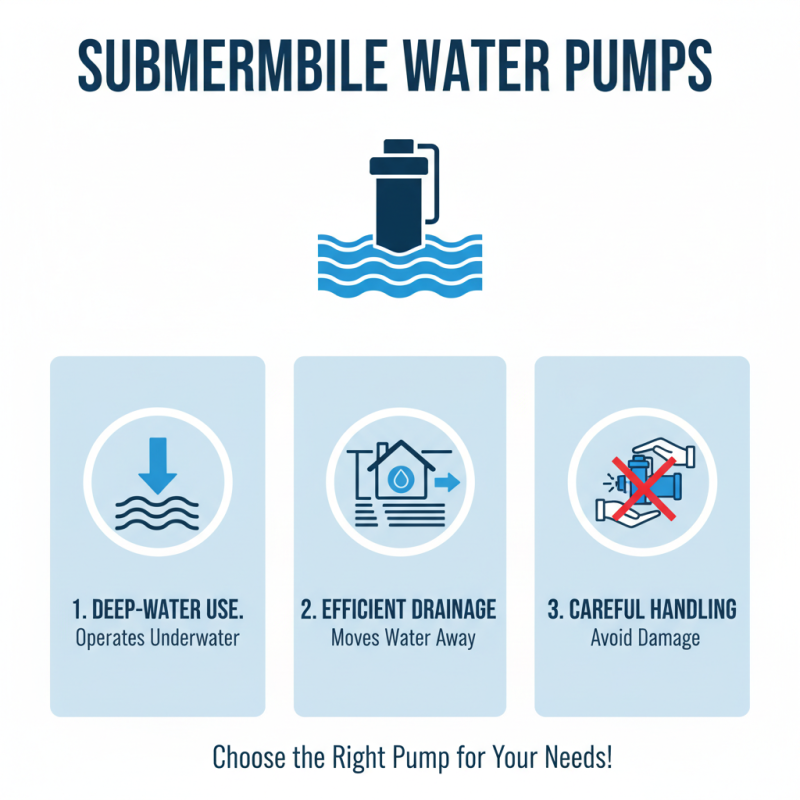
When choosing a water pump, understanding the types available is crucial. Different applications require various pump types. Submersible pumps are designed for deep-water situations. They can operate underwater and are efficient for drainage tasks. However, they need careful handling to avoid damage.

Another option is the centrifugal pump. This type uses rotational energy to move water. They are ideal for transferring water over long distances. Yet, they can struggle with thick fluids or debris. A reflection here is that selecting the right pump isn’t always straightforward.

There are also diaphragm pumps, which are great for handling viscous liquids. These pumps can achieve high pressures. Still, they might not be ideal for large volumes. Understanding these differences allows for better decisions. Each pump has its own strengths and weaknesses. It's essential to match the pump to your specific needs for optimal performance.

Key Factors to Consider When Choosing a Pump for Water Transfer

2026 Best Pump to Pump Water Solutions for Your Needs?

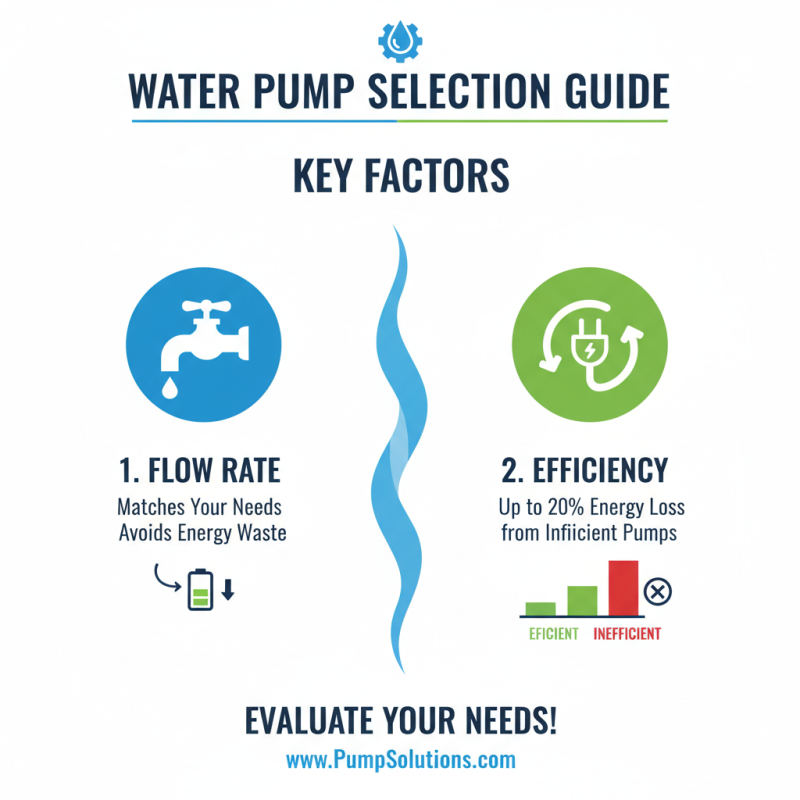
When selecting a pump for water transfer, there are several key factors to consider. The flow rate is crucial. A pump with the right flow rate meets your specific needs. Overly powerful pumps can lead to energy waste. In fact, reports indicate that inefficient pumps cause up to 20% more energy loss. Evaluate what you truly need before making a choice.

The pump's durability is another important factor. Materials can vary widely. A pump made from subpar materials may fail quickly. This leads to additional costs in replacements and repairs. A study showed that 30% of pump failures stem from unfit materials and design issues. Often overlooked, maintenance requirements can also impact your decision. Some pumps require frequent servicing, while others have lower maintenance needs.

Don't forget the pump's application. Different designs suit various tasks. For instance, a pump for muddy water needs different specifications compared to one for clear water. Understanding these details can prevent mismatched expectations. Relying on generic guidelines can lead you astray. Always assess your individual situation to make an informed decision.

Top Brands and Models of Water Pumps in 2026

As we approach 2026, the demand for efficient water pumps continues to rise. Many industries rely on reliable water pump solutions. In recent studies, it was reported that over 50% of commercial users face challenges with pump efficiency. They seek models that can reduce energy consumption while maintaining performance.

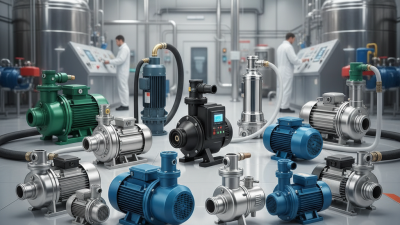
Commonly, high-performance submersible pumps and centrifugal models are favored. They cater to diverse applications. A recent industry report indicated that these pumps could improve water flow rates by up to 30%. That’s impressive! But, users must consider their specific needs before investing. Not all models suit every situation.

**Tip:** Always evaluate the power requirements of your chosen pump. Mismatched specifications can lead to inefficiencies. Regular maintenance is crucial too. Many users overlook this, which may result in reduced lifespan. Keep in mind that not every brand meets sustainability standards. Research is essential.

Maintenance Tips to Ensure Longevity of Your Water Pump

Water pumps are essential for various applications. Proper maintenance ensures their longevity and efficiency. Regular checks can prevent costly repairs. Industry studies suggest that 75% of pump failures stem from negligence.

To maintain your pump, routinely inspect for leaks. Small leaks can lead to larger issues. Clean filters and check the motor regularly. A dirty filter can reduce efficiency by up to 50%. Replace worn-out parts immediately. Ignoring wear can result in catastrophic failures. Monitor vibration levels; excessive vibration is often a warning sign.

Also, keep an eye on the water quality. Contaminants can damage pumps over time. Conduct routine water tests to ensure quality. Based on recent reports, poor water quality leads to frequent repairs. Regular maintenance may seem tedious, but it saves time and money in the long run. Proper maintenance habits develop over time. Don’t wait for problems to surface before taking action.

2026 Best Pump to Pump Water Solutions for Your Needs? - Maintenance Tips to Ensure Longevity of Your Water Pump

Pump Type Flow Rate (GPM) Power Source Max Head (ft) Maintenance Frequency
Submersible Pump 10-60 Electric 50-150 Every 6 Months
Centrifugal Pump 20-200 Electric or Diesel 30-100 Annual
Diaphragm Pump 5-30 Electric or Manual 10-40 Every 3 Months
Sump Pump 25-100 Electric 15-30 Every 6 Months
Jet Pump 15-50 Electric 40-100 Annual

Comparing Energy Efficiency and Performance of Popular Water Pumps

When selecting water pumps, energy efficiency plays a critical role. According to a report by the U.S. Department of Energy, inefficient pumps can waste up to 30% of energy. This becomes significant in large-scale applications. Understanding the performance metrics of different pumps can assist users in making informed choices.

Pump performance is often measured by flow rate and head pressure. A study from the International Energy Agency highlights that models with high efficiency can reduce operational costs by 20% over their lifespan. However, many users may choose pumps based solely on initial cost, overlooking long-term savings. Selecting a pump that operates efficiently in your specific application is crucial.

Variable speed drives can enhance pump efficiency significantly. These drives adjust pump speed to match demand, which can lead to substantial energy savings. Yet, not all users realize the benefits they bring. Some may feel hesitant about upfront investment costs but must consider potential savings. Balancing initial investment against performance and efficiency can be challenging but essential for optimal water pumping solutions.

2026 Best Pump to Pump Water Solutions for Your Needs

Our dedicated sales and support staff are here to help you identify the ideal pump solution for your needs.

Contact Us