
Lighting control is moving from a convenience feature to a measurable energy strategy. The International Energy Agency reports that buildings consume about 30% of global final energy and create roughly 26% of energy-related emissions. The 2024 UNEP Global Status Report also identifies buildings as a major climate challenge. These figures matter to buyers comparing a 3 Way Switch Dimmer for homes, hotels, offices, and renovation projects.
A 3 Way Switch Dimmer allows one light fixture to be controlled from two locations. Think of a hallway, with one switch near the entrance and another beside the stairs. Proper dimming can improve comfort, reduce glare, and limit unnecessary lighting output. Lutron founder Joel Spira, widely recognized as a pioneer of electronic dimming, said, “The dimmer is the most important lighting control device ever invented.” His view remains practical today. Control quality still shapes everyday experience.
Global buyers need more than attractive specifications. They should check load compatibility, neutral-wire requirements, LED performance, flicker behavior, heat management, and regional electrical certification. The U.S. Department of Energy notes that efficient lighting and controls can reduce electricity use, but product performance varies by installation. That warning deserves attention. A dimmer may work perfectly in one room and hum in another. This is not a minor detail.
The 2026 market also brings smarter devices, wireless control, and broader LED adoption. However, connectivity can introduce setup problems, privacy questions, and maintenance costs. This guide compares three leading 3 Way Switch Dimmer options through technical evidence, installer experience, and buyer-focused reliability. No product is perfect. The right choice depends on the lamp, wiring, building age, and local compliance requirements.
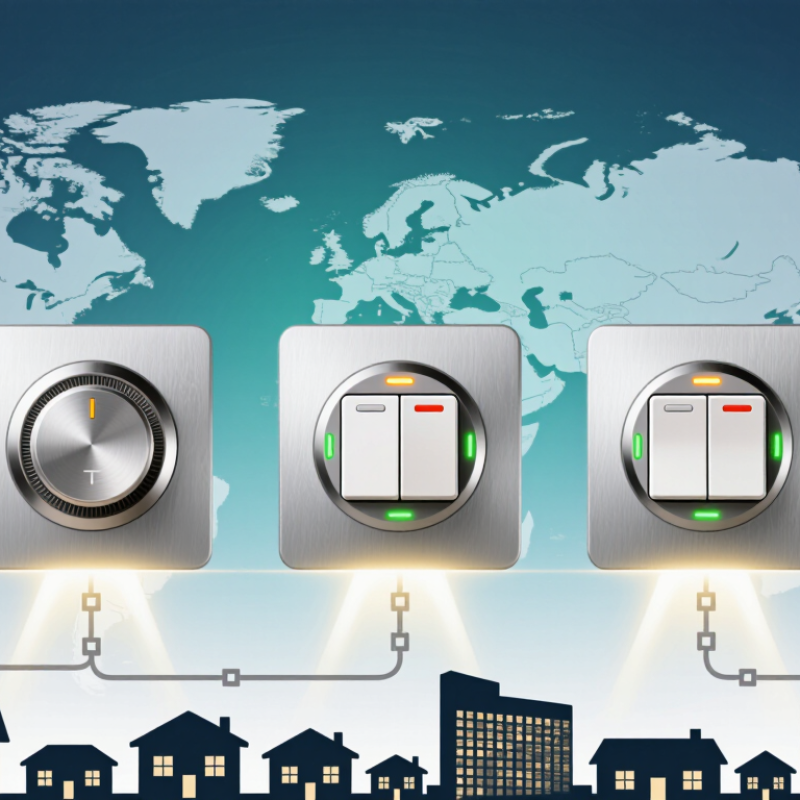
A three-way switch dimmer controls one light from two different locations. You may see this setup at a staircase, hallway, or room with two entrances. Unlike a single-pole dimmer, it connects with another three-way switch through traveler wires. One control adjusts brightness, while the second usually turns the light on or off.
The dimmer changes the electrical waveform reaching the lamp. In many AC systems, its internal control reduces part of each cycle, lowering light output. A compatible LED driver is essential. Older dimmers may cause flicker, buzzing, limited range, or delayed startup. Check the lamp’s minimum load and dimming method before purchase. Small details matter.
Practical installation requires careful inspection. Turn off the circuit, verify that power is absent, and identify line, load, neutral, and traveler conductors. Wire colors are not universally reliable, especially in older buildings. Some dimmers require a neutral wire, while others do not. This difference can affect global buyers because voltage, frequency, box depth, and safety approvals vary by market.
The confusing part is compatibility.
Do not install two ordinary dimmers in one three-way circuit unless the instructions specifically permit it. A certified electrician should confirm the wiring and local requirements. In real projects, even a technically suitable dimmer can perform poorly with a low-quality LED driver. That is easy to overlook. Testing the complete lamp-and-dimmer combination remains the most dependable check.
2026 Top 3 Way Switch Dimmers for Global Buyers
Key Features Global Buyers Should Compare in 2026
Global buyers should compare electrical compatibility before comparing appearance or price. Check the rated voltage, frequency, maximum load, and neutral-wire requirement. A device designed for one region may perform poorly in another. Confirm compatibility with LED lamps, incandescent lamps, and low-voltage drivers. Dimming can become unstable when the load is too small.
Control quality matters in daily use. Look for a smooth dimming range, low flicker, quiet operation, and reliable three-way switching. Memory functions can restore the last light level after power returns. Overload, overheating, and short-circuit protection add practical value. Test reports from recognized laboratories improve confidence, but buyers should verify their scope and date.
Installation details deserve equal attention. Clear wiring diagrams, terminal markings, and multilingual instructions reduce mistakes on international projects. Check the wall-box depth and panel size before ordering. In project reviews, I have seen attractive units fail because the back box was too shallow. That was an avoidable oversight. Check the warranty process, replacement availability, and technical support response time. A longer warranty helps, but only when service remains reachable across borders. Connectivity features may sound impressive. They can also add setup problems and unnecessary maintenance. Test the basic switching experience first.
Key specifications to compare include LED load capacity, incandescent load capacity, and supported supply voltage. The chart uses representative, brand-neutral specifications commonly published for residential and commercial 3-way dimmers.
Higher load capacity may support more fixtures, but actual performance depends on lamp compatibility, wiring method, neutral-wire requirements, local electrical codes, and regional voltage standards. Always verify the final product datasheet before purchasing.
It should support 100–240 V and 50/60 Hz systems. Check the neutral-wire requirement before installation. Some older homes lack a neutral conductor. Confirm the minimum load, maximum wattage, and LED compatibility list.
The U.S. Department of Energy reports that lighting uses about 15% of household electricity.
Small compatibility errors can create flicker, buzzing, or delayed startup.
Choose a system with a wired companion switch or clearly supported wireless control. Local operation still matters when internet access fails.
The International Energy Agency’s Energy Efficiency 2024 report states that buildings consume roughly 30% of global final energy.
Control quality is not cosmetic; it affects daily energy behavior. However, connected features can add installation complexity and cybersecurity responsibilities.
This option suits long circulation routes, meeting rooms, and zones with daylight sensors. Verify control-signal compatibility, emergency-lighting requirements, and regional electrical certification.
ENERGY STAR notes that certified LED products can use at least 75% less energy than incandescent lighting.
Yet the third option is not automatically better. It may require commissioning, trained installers, and a careful load calculation.
Small oversights remain expensive.
A three-way dimmer controls one light from two locations, but wiring varies between homes. Turn off the circuit breaker, then verify power with a tester. Never trust wire color alone. Identify the common terminal before disconnecting the old switch. A three-way dimmer usually connects to one common wire and two traveler wires. Some models also require a neutral wire. Older boxes may not provide one.
Compatibility deserves equal attention. Check the dimmer’s rated wattage and load type before installation. LED lamps can flicker, buzz, or fail to reach full brightness when the dimmer is unsuitable. The dimmer must support the total load, not just one lamp. Many systems require a matching accessory switch at the second location. A standard three-way switch may not work correctly. Local wiring rules also differ, so a qualified electrician should review unfamiliar installations.
Tips: Photograph the original wiring before removal. Label each wire with tape. Confirm the light source is dimmable. Leave room inside the electrical box; crowded connections can loosen over time. I still recheck every terminal after tightening. That small step prevents avoidable faults. Test both switch locations at low and high brightness. A perfect installation is not always obvious immediately. Monitor heat, flicker, and delayed startup during the first few uses.
For global buyers, the top three-way switch dimmer choices are universal-phase, trailing-edge, and smart-compatible models. Universal-phase units suit mixed LED loads, while trailing-edge designs usually reduce noise with dimmable LEDs. Smart-compatible dimmers add remote control, but they demand stricter wiring checks. Neutral-wire requirements vary by model and region. Never assume compatibility from voltage alone.
Safety documentation matters more than appearance. IEC 60669-2-1 covers electronic switches and dimming devices in many international markets. North American buyers should request evidence aligned with UL 1472. European shipments commonly require CE compliance under applicable low-voltage and electromagnetic-compatibility rules. Australia and New Zealand use AS/NZS requirements based on IEC standards. Local certification remains essential. A familiar symbol is not proof of a valid test report.
The International Energy Agency reported that lighting represents about 15% of global electricity consumption. The U.S. Department of Energy states that LEDs use at least 75% less energy than incandescent lamps. These figures support dimming, but poor pairing can cause flicker, buzzing, or premature failure. Ask for minimum and maximum load ratings, LED compatibility lists, thermal-test results, and surge protection details. Check frequency, earthing, box depth, and installer requirements before ordering. A practical weakness remains: some sellers provide certificates without matching model numbers. I would reject those listings. Cost matters, but traceable compliance matters more.
We are here to help you with all your queries and concerns, just write to us using the below form and we will get back to you as soon as we can.