
Heavy Cargo Drone procurement is moving from experimental projects toward measurable logistics value. Drone Industry Insights reported that the global commercial drone market could reach approximately US$54.6 billion by 2030. Its growth does not guarantee success for every buyer. Payload figures can look impressive on paper. Real performance changes with wind, altitude, battery temperature, and landing conditions.
The World Economic Forum has also highlighted drones as part of emerging last-mile delivery systems. Meanwhile, aviation authorities continue developing operational frameworks for commercial unmanned aircraft. These reports suggest strong momentum, but they do not replace local verification. Every route still needs practical testing.
“The future of transportation is in the air,” said Andreas Raptopoulos, founder of Matternet. The opportunity is real. So are the trade-offs.
This guide presents seven Heavy Cargo Drone buying tips for global buyers. It examines payload capacity, flight range, battery endurance, weather resistance, maintenance access, software integration, and after-sales support. A drone carrying 100 kilograms across a warehouse yard is not equivalent to one crossing mountains. Context matters.
Purchase price is only one line. A cheaper aircraft may require costly batteries, specialized operators, frequent inspections, or imported replacement parts. That can weaken the business case quickly. Buyers should request documented flight data, independent testing records, and realistic total-cost estimates.
Some assumptions will be wrong.
That is acceptable. Good procurement leaves room for pilot programs, failed test flights, and revised specifications. The strongest decision combines engineering evidence, operator experience, supplier transparency, and a clear understanding of regional aviation requirements.
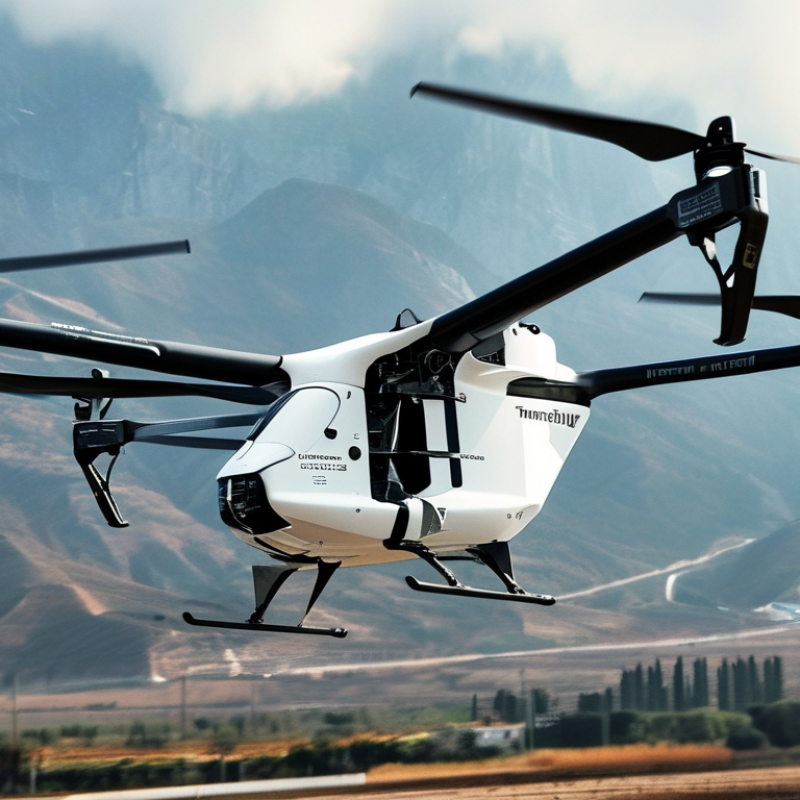
Before comparing heavy cargo drones, define the mission in operational terms. Will it move tools between warehouses, supplies across farms, or equipment to remote construction sites? Record distance, flight frequency, loading points, landing space, weather, and delivery timing. These details shape the aircraft more than a headline payload number. Be specific.
Payload planning should separate cargo weight from packaging, restraints, batteries, and lifting equipment. An 80-kilogram load may require a 100-kilogram useful-payload margin. Measure the cargo’s dimensions and center of gravity, not only its scale reading. A narrow crate can fit the weight limit yet block the loading bay. During field assessments, I also check how workers attach the load with gloves and poor visibility. Small handling problems become delays.
Build a mission profile using the heaviest normal load, not an optimistic average. Include reserve energy for wind, temperature, detours, and a safe return. Verify local aviation requirements, approved operating areas, and required operator training before purchase. Ask for documented test data, maintenance records, and clear operating limits. Independent inspections can reveal whether advertised capacity matches repeated flights. My early estimates were too generous; actual loading time often mattered more than flight time. That mistake is worth revisiting. Leave room for change.
A cargo drone’s advertised range often assumes light payloads, calm air, and a new battery. Real routes are less generous. For a five-kilogram load, compare round-trip distance, not maximum one-way range. Leave at least 25% battery for headwinds, rerouting, and a safe landing. The U.S. Department of Energy reports that lithium-ion battery energy density commonly ranges from 150 to 265 Wh/kg. That limitation directly affects payload, endurance, and operating cost.
Request test data with your actual payload. Ask for flight time at takeoff, halfway, and landing. A drone that claims 60 minutes may deliver 35 minutes in practical service. Check whether the figure includes reserve power, hovering, and delivery-site maneuvers. It often does not.
Treat weather ratings as operating boundaries, not promises. The World Meteorological Organization reported that 2023 reached about 1.45°C above the pre-industrial average, increasing planning uncertainty in many regions. Compare maximum sustained wind, gust tolerance, rainfall protection, operating temperature, and icing limits. Also inspect battery performance below freezing.
Require independent flight logs or supervised trials. Test a loaded route during crosswinds and light rain, where permitted. A weather-sealed aircraft may still lose endurance quickly. That detail is easy to miss.
When buying a heavy cargo drone, safety systems deserve more attention than advertised payload capacity. Ask whether flight controls have independent backups and whether the aircraft can land safely after a motor or sensor failure. Test obstacle detection in dust, low light, and crowded loading areas. A warning light is not enough. Request recorded test data.
Reliability depends on real operating conditions. Examine battery cycle records, maintenance intervals, weather limits, and payload balance requirements. Ask for endurance results with a full load, not an empty aircraft. Check how quickly technicians can replace motors, sensors, and batteries. Small delays become expensive when equipment supports daily logistics. A practical inspection should include a loaded test flight, repeated takeoffs, and controlled emergency procedures.
Regulatory compliance must match every intended country and route. Verify airworthiness documents, operator requirements, radio approvals, remote identification rules, and cargo limitations with qualified local advisers. Documentation should be current, traceable, and available in a language your team understands. Do not rely on a supplier’s general statement that the drone is “globally compliant.” Rules differ by region and can change. One uncomfortable lesson is that a technically excellent aircraft may still be unusable at your site. Leave budget and time for permits, training, inspections, and unexpected corrections. Safety claims need evidence. Bulk discounts do not replace it.
A heavy cargo drone should be judged by its daily operating cost, not its purchase price. Calculate energy use, pilot time, charging equipment, insurance, storage, and scheduled inspections. Cheap on paper.
Ask for measured flight data under realistic loads. Payload weight, wind, temperature, and terrain can change battery consumption sharply. A published range may reflect ideal conditions. Our field checks often show shorter routes after repeated flights, especially in cold weather. Leave financial room for that difference.
Maintenance details deserve careful attention. Check motor replacement intervals, battery cycle limits, software diagnostics, and access to approved spare parts. A grounded aircraft can cost more than an expensive component. Support matters. Confirm response times, remote troubleshooting, technician availability, and training for local operators. International buyers should also examine shipping times for batteries and critical parts, while following applicable transport and aviation requirements. Test the service process before purchase. Ask how a fault is handled at a remote site, not just in a showroom.
A useful comparison includes cost per delivered kilogram and cost per productive flight hour. Request maintenance records from comparable operations, with sensitive information removed. Then run a small pilot program using your actual routes and cargo containers. Some assumptions will fail. That is useful. Recalculate the budget after ten to twenty flights, when battery performance, weather delays, and labor needs become easier to measure.
| No. | Buying Tip | Key Data Dimension | Practical Benchmark or Calculation | What Global Buyers Should Verify | Required Documentation or Test Data |
|---|---|---|---|---|---|
| 1 | Match Payload to the Full Mission Profile | Payload capacity, cargo volume, center of gravity, and reserve capacity | Specify the payload at the required route distance, altitude, temperature, and wind condition—not only the maximum advertised payload. Recommended planning reserve: 10–20% | Request a payload-versus-range chart and confirm whether the quoted payload includes packaging, containers, batteries, and onboard release equipment. | Payload test report, center-of-gravity limits, cargo restraint procedure, and mission profile used for the test. |
| 2 | Calculate Energy Cost per Mission | Energy consumption, battery capacity, charging efficiency, and electricity price | Use: Energy cost = kWh consumed ÷ charging efficiency × local electricity tariff Include energy used for takeoff, cruise, landing, reserve, battery cooling, and charging losses. | Compare cost per delivered kilogram or per route, rather than cost per flight hour alone. Use local electricity tariffs and seasonal temperature conditions. | Measured kWh per mission, battery nominal voltage and capacity, charger efficiency, reserve setting, and flight-test conditions. |
| 3 | Model Battery Replacement and Charging Downtime | Cycle life, usable state-of-charge window, charging time, and spare-battery requirement | Battery replacement cost per flight hour: Battery pack price ÷ expected service life in flight hours Service life depends on depth of discharge, charging rate, storage temperature, and operating temperature. | Ask whether cycle-life claims are based on laboratory testing or actual flight duty cycles. Price spare packs, charging equipment, fire protection, and a battery quarantine process. | Battery data sheet, cycle-life test method, warranty limits, charging profile, thermal-management description, and end-of-life criteria. |
| 4 | Estimate Scheduled and Unscheduled Maintenance | Inspection intervals, replaceable parts, labor hours, and maintenance reserve | Build a maintenance reserve using: Labor hours × local labor rate + parts + consumables + inspection fees Separate routine inspections from major component replacement and accident-related repairs. | Request a task-based maintenance schedule covering propulsion units, flight controls, landing gear, cargo-release hardware, wiring, batteries, software, and structural components. | Maintenance manual, inspection checklist, component life limits, spare-parts list, tooling list, and mean-time-to-repair assumptions. |
| 5 | Check Weather and Environmental Operating Limits | Wind, precipitation, temperature, altitude, dust, humidity, and salt exposure | Performance can change significantly with air density, payload, wind, and temperature. Do not treat an IP rating as proof of safe flight in heavy rain, icing, or salt-laden coastal conditions. | Compare the aircraft's tested limits with the actual operating region. Confirm derating rules for hot weather, high altitude, rain, crosswind, and reduced battery temperature. | Environmental test reports, operating limitations, wind-tunnel or flight-test data, ingress-protection test standard, and weather-abort procedure. |
| 6 | Evaluate Regulatory and Import Readiness | Aircraft classification, operating approvals, remote identification, radio compliance, and import requirements | Requirements differ by jurisdiction and may depend on maximum takeoff mass, operating area, line of sight, automation level, dangerous goods, and whether people are overflown. | Obtain a country-by-country compliance matrix before purchase. Budget for registration, pilot or operator qualifications, insurance, customs, local testing, and possible type or design approvals. | Technical specifications, conformity declarations, radio-frequency information, safety manuals, operating limitations, and documentation required by the target aviation authority. |
| 7 | Compare Global Support and Service-Level Commitments | Parts availability, response time, training, remote diagnostics, warranty, and repair turnaround | Evaluate support using measurable service levels: Response time, parts dispatch time, repair turnaround, spare-parts fill rate, and software-support period. A support promise should state business hours, escalation routes, exclusions, and applicable regions. | Require a written support plan for the destination country, including local technicians or approved repair capacity, training seats, critical spares, cybersecurity updates, and end-of-support notice periods. | Warranty terms, service-level agreement, support organization chart, spare-parts lead times, training syllabus, troubleshooting process, and software-update policy. |
| Buyer note: All cost figures should be calculated using the buyer's actual electricity tariff, labor rate, insurance, regulatory fees, route conditions, battery replacement price, and expected annual flight hours. Performance and maintenance values must be confirmed through supplier test data and acceptance testing for the intended operating environment. | |||||
Verify the supplier’s legal registration, operating address, and manufacturing history. Ask for current certificates, not scanned files with unclear dates. Check whether the listed factory actually builds the aircraft. Paperwork matters. Speak with two recent commercial customers, if they agree. Their delivery experience may reveal problems hidden during sales calls.
Request complete testing records for payload capacity, flight endurance, battery safety, communication range, and emergency procedures. The reports should show test dates, equipment, conditions, and responsible engineers. Ask whether an independent laboratory witnessed any results. Test it again. A demonstration with an empty aircraft proves little. Use a realistic payload and inspect logs after landing. I have seen impressive demonstrations fail under wind, heat, or repeated lifting. That remains a useful warning.
Put every purchase term in writing. Define the aircraft configuration, included accessories, delivery schedule, inspection rights, spare parts, training, warranty response, and acceptance criteria. Clarify who pays for transport, insurance, taxes, and approved returns. Confirm software updates and maintenance support before signing. Avoid vague promises such as “full support.” Details prevent disputes. A lower price can hide weak testing or expensive downtime. Leave room for technical review; rushing approval is an avoidable mistake.
We are here to help you with all your queries and concerns, just write to us using the below form and we will get back to you as soon as we can.