Steel Structure Houses are rapidly gaining popularity in modern construction. These homes utilize a framework made from steel, offering durability and strength. They withstand harsh weather, resist pests, and require less maintenance than traditional homes.
One significant advantage is their design flexibility. Architects can create open spaces and unique layouts without compromising structural integrity. This adaptability allows homeowners to express their styles. However, the initial cost may be higher than wood or brick alternatives, prompting some to hesitate.
Moreover, the construction speed is noteworthy. Steel Structure Houses can be erected quickly due to prefabrication processes. This efficiency can save time and labor costs, yet the reliance on skilled labor remains a challenge. As more builders embrace this technology, it’ll be crucial to weigh the benefits against potential drawbacks.
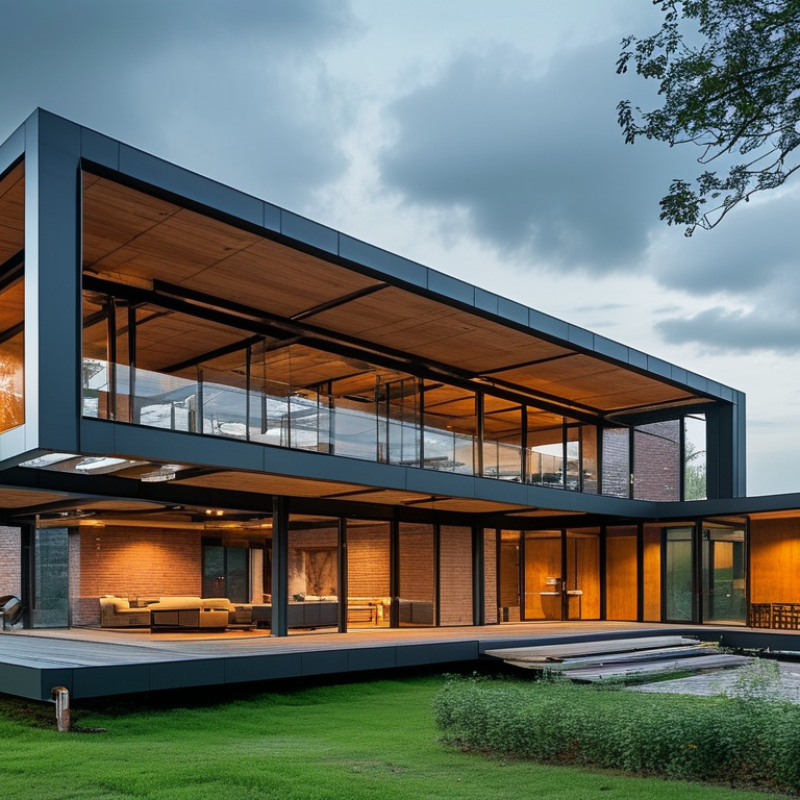
Steel structure houses have emerged as a practical alternative in the construction realm. One key benefit is their durability. Steel withstands harsh weather. It is resistant to termites and mold. This robustness ensures a longer lifespan for homes.
Another advantage of steel structures is their flexibility in design. Steel can accommodate various architectural styles. Homeowners have the freedom to create unique houses tailored to their tastes. The construction process is also quicker, reducing labor costs and time spent on site.
**Tip:** Consider engaging a local architect. They can provide insights on design possibilities that suit your needs.
Sustainability is another noteworthy aspect. Steel is recyclable and often made from recycled materials. This minimizes environmental impact. However, sourcing steel should come from responsible manufacturers. This ensures ethical practices in material usage.
**Tip:** Research local steel suppliers. Find those who prioritize sustainable practices.
| Benefit | Description |
|---|---|
| Durability | Steel structures are highly resistant to weather conditions, pests, and decay, providing a long lifespan. |
| Cost-Effectiveness | Lower maintenance and repair costs over time lead to overall savings compared to other materials. |
| Eco-Friendly | Steel is recyclable and can be reused, reducing waste and environmental impact. |
| Speed of Construction | Prefabricated steel components speed up the building process, allowing for faster project completion. |
| Design Flexibility | Steel structures offer greater design options and can accommodate large, open spaces without support columns. |
| Fire Resistance | Steel has inherent fire-resistant properties, contributing to safety in the event of a fire. |
Steel homes offer remarkable structural integrity and exceptional durability. The strength of steel surpasses many traditional building materials. It can withstand severe weather events such as hurricanes, earthquakes, and heavy snow loads. Steel's resistance to warping, cracking, and splitting ensures that homes maintain their shape over time.
One notable aspect is the precision in steel construction. This precision leads to fewer errors during assembly. However, this process requires skilled labor to achieve the best results. Without experienced professionals, issues may arise, impacting the overall quality. Steel structures are also resistant to pests like termites. This adds another layer of longevity that wood does not provide.
Despite these advantages, steel homes can still present challenges. Thermal conductivity is a concern; steel can transfer heat quickly, leading to higher energy costs. Proper insulation is crucial to counter this effect. Homeowners must consider maintenance too. While steel is durable, it can rust if not properly coated. Regular inspections are vital to ensure the home remains in top condition.
Steel structure houses offer remarkable energy efficiency and thermal performance. These homes utilize materials that have excellent insulation properties. The design often includes insulated panels, which are pivotal in maintaining a stable indoor temperature. This reduces the need for excessive heating or cooling, directly lowering energy consumption.
Furthermore, steel’s durability contributes to long-lasting thermal efficiency. It can withstand various weather conditions without significant degradation. Unlike wood, steel does not warp or shrink, ensuring air leaks are minimized. However, one must consider that without proper insulation, steel structures can still suffer from heat loss.
The aesthetic aspect also plays a role in energy efficiency. Modern steel structures can incorporate large windows, allowing natural light while enhancing passive solar heating. Still, the placement and size of these windows require thoughtful planning. There may be a balance between design and energy outcomes that needs careful evaluation.
Steel structure houses offer noteworthy cost-effectiveness that can lead to significant long-term savings. The initial investment in steel materials may be higher than traditional wood. However, steel's durability and resistance to pests reduce maintenance costs over time. Steel houses endure harsh weather conditions better, leading to fewer repairs.
A key benefit is energy efficiency. Steel's insulating properties can help maintain consistent indoor temperatures. This can lower heating and cooling costs effectively. Owners often report lower energy bills yearly. Additionally, steel structures can be erected faster than conventional homes. Quicker construction means reduced labor costs.
However, there are challenges. Weather and site conditions can affect the installation timeline. Some homeowners may feel steel lacks warmth compared to wood homes. These perceptions can lead to hesitation when choosing steel. Proper planning and design can mitigate these concerns. Finding a skilled contractor is vital for achieving desired results.
Steel structure houses offer numerous benefits, particularly in terms of environmental impact and sustainability. The production of steel is highly energy-efficient when compared to traditional building materials. Recycled steel is prevalent, making up a significant percentage of new steel. This reduces the need for raw materials and minimizes waste.
Steel structures also have a long lifespan. They resist pests, rot, and corrosion better than wood, which leads to less frequent replacements. This durability translates to fewer resources consumed over time. However, the production process itself requires energy, often sourced from fossil fuels. It is essential to consider these aspects for a holistic view of sustainability.
Another facet is the speed of construction. Steel can be pre-fabricated off-site, which minimizes construction time and reduces waste. This efficiency is beneficial, yet it relies on the transportation of materials. Transportation adds a carbon footprint that needs consideration. While steel structures are an attractive choice for modern housing, ongoing reflections on their environmental impacts remain crucial.
We are here to help you with all your queries and concerns, just write to us using the below form and we will get back to you as soon as we can.