
In the modern manufacturing landscape, 3 Axis Cnc Machining stands as a pivotal technology. Industry expert Dr. John Smith notes, "CNC machining allows for precision that was once unimaginable." This innovation offers global buyers numerous benefits, enhancing both productivity and quality.
With its ability to create intricate designs, 3 Axis CNC Machining appeals to various industries, from aerospace to automotive. The precision it provides leads to fewer errors, reducing waste. However, it is essential to note that this technology may not suit every project. Complex geometries often require advanced techniques beyond three axes.
Quality assurance is a major concern. Buyers need to ensure that their chosen CNC providers maintain strict standards. While many offer competitive pricing, the balance between cost and precision can be tricky. Ultimately, understanding the advantages and limitations of 3 Axis CNC Machining highlights its significance in today's global market.
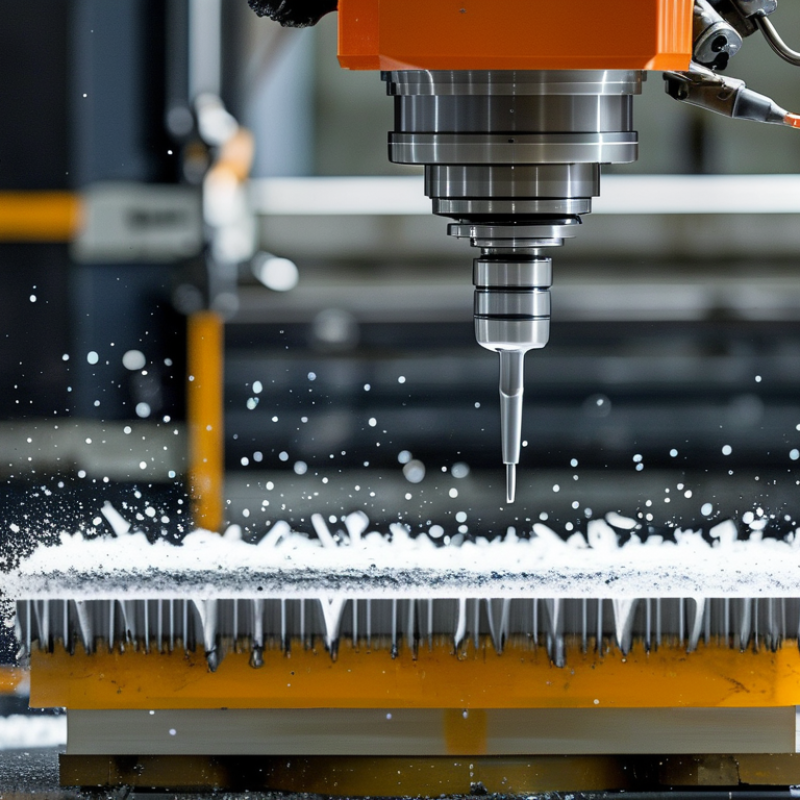
3 Axis CNC machining has gained significance in the global market due to its precision and efficiency. This technology allows manufacturers to create intricate parts with high accuracy, essential for various industries. The ability to produce complex geometries in a single setup reduces the need for multiple machines and setups, saving both time and costs.
Understanding the functionality of 3 Axis CNC machines is crucial. These machines operate along three axes. Each axis corresponds to a specific direction in which the cutting tool moves. This simplicity makes them accessible to many manufacturers. However, there are limitations to consider. For example, while adept at creating flat or simple components, they might struggle with deeper or more complex parts. Users need to weigh the advantages against these constraints.
Global buyers often prefer 3 Axis CNC machining for its reliability. It can deliver consistent results, but operators must be skilled. Proper training is vital to maximize machine capabilities. Untrained personnel may miss errors or miscalibrate settings, leading to defects. This highlights the need for a structured approach to training and operational excellence. Emphasizing continuous learning will enhance outcomes and maintain high standards.
Precision and accuracy are critical in manufacturing. For global buyers, 3-axis CNC machining offers unmatched benefits. These machines can produce intricate parts with high tolerance. This consistency helps maintain product integrity across different batches.
One significant advantage is the ability to create complex geometries. With precise tooling, even tiny features can be crafted to exact specifications. Buyers often find that this reduces the need for extensive manual labor. However, challenges can arise when programming complex designs. It may require specialized skills, which not every facility possesses.
Another aspect is the speed of production. A well-set CNC machine can operate continuously, enhancing efficiency. Yet, not all materials and designs are equally suited for 3-axis machining. Some may require additional processes, which can lead to delays. It's essential for buyers to understand these limitations while weighing the advantages.
3 Axis CNC machining brings notable cost-effectiveness to manufacturers. By automating processes, it cuts down labor costs significantly. Fewer operators are required, saving on wages and benefits. Operators can focus on high-level tasks, enhancing productivity.
The technology uses raw materials more efficiently. Waste is minimized since designs are precise and repeatable. This precision reduces the need for rework. Less scrap means lower material expenses. The long-term savings add up.
On the surface, 3 Axis CNC machining appears simple, yet its efficiency can be complex. Not all designs translate well into this framework. Sometimes, adjustments in design are needed to suit the machine's capabilities. This may require additional time and resources upfront, but the long-term benefits usually outweigh these initial challenges. Users must consider maintaining machines, as wear can affect performance and costs.
3 Axis CNC machining has revolutionized the manufacturing landscape, especially through its versatility in materials. This technology can work with metals, plastics, and composites with remarkable precision. Such adaptability allows manufacturers to cater to diverse industries, from automotive to aerospace. Each material presents unique characteristics. Using CNC machining, companies can explore these properties creatively and efficiently.
However, it's essential to recognize the challenges. Not all materials are ideal for CNC machining. For example, some composites may lead to tool wear faster than expected. This can increase costs unexpectedly. Moreover, skill levels vary among CNC operators. Training and experience play a critical role in achieving optimal results. A skilled operator can maximize the benefits of varied materials, while a less experienced one may struggle. The focus on materials can lead to innovation, but it also demands continuous learning and adaptation from manufacturers.
| Benefit | Description | Material Types | Applications |
|---|---|---|---|
| Precision | High precision machining ensures tight tolerances and better overall quality. | Aluminum, Steel, Plastic | Aerospace Components, Medical Devices |
| Efficiency | Rapid production reduces lead times compared to traditional methods. | Titanium, Composite Materials | Automotive Parts, Structural Components |
| Versatility | Ability to handle a variety of materials and shapes enhances flexibility. | Wood, Foam, Metals | Furniture, Prototyping |
| Cost-Effectiveness | Reduced waste and efficient use of materials lead to lower manufacturing costs. | Plastics, Alloys | Consumer Electronics, Custom Parts |
| Complex Geometries | Ability to create complex parts that would be difficult or impossible to machine otherwise. | Nickel Alloys, Exotic Materials | Aerospace, Defense Components |
| Customization | Easily adapt designs for unique customer requirements. | Various Alloys, Plastics | Custom Tools, Specialty Parts |
| Repeatability | Consistent quality across large production runs ensures reliability. | Steel, Aluminum, Composites | Mass Production Parts, Assemblies |
| Reduced Lead Times | Faster turnaround times improve competitiveness and responsiveness. | Plastics, Carbon Fiber | Rapid Prototyping, Short Run Production |
| Innovation | Facilitates the development of new designs and manufacturing processes. | Advanced Composites, Specialty Plastics | Research & Development, R&D Prototypes |
3-axis CNC machining significantly enhances production speed and efficiency in supply chains. This technology allows for rapid processing of complex parts with precise dimensions. By automating the machining process, manufacturers can minimize manual input, which often leads to errors. With 3-axis machines, setup times are reduced. Parts can be produced in shorter cycles, leading to faster turnaround times.
In a competitive market, speed is crucial. Rapid prototyping is becoming essential for many industries. The ability to quickly create and test prototypes ensures products meet market demands efficiently. However, some companies need to evaluate their previous processes. Past reliance on outdated methods can hinder progress. Embracing CNC technology requires adjustment and training but pays off through increased throughput. Feedback loops can improve processes, but adapting can be challenging.
Sustainable practices emerge through optimized machining. With less waste generated, companies should take note of their environmental impact. Settling for traditional machining could cost them in the long run. Investing in CNC not only modernizes production but aligns with greener initiatives. While challenges exist, the transition offers significant rewards that are hard to overlook.
We are here to help you with all your queries and concerns, just write to us using the below form and we will get back to you as soon as we can.