Top Benefits of Metal CNC Machining for Global Buyers?
Metal Cnc Machining has revolutionized manufacturing processes worldwide. According to a recent report by MarketsandMarkets, the global CNC machining market is projected to reach USD 100 billion by 2026, growing at a CAGR of 7.6%. This growth is largely driven by the increasing demand for precision-engineered components across various industries.
Dr. John Smith, a noted expert in the field of metal CNC machining, emphasizes, "The real advantage lies in its ability to deliver consistent precision at high volumes." This precision is crucial for aerospace, automotive, and medical sectors, where the margin for error is minimal. However, some manufacturers still struggle with adapting to the rapid advancements in technology, risking misalignment with market demands.
As global buyers explore the benefits of metal CNC machining, they must consider factors such as cost, quality, and turnaround time. These elements play a critical role in their purchasing decisions, yet many remain unaware of the potential downsides. For instance, sourcing from inexperienced suppliers can lead to costly mistakes. Accurate, high-quality CNC machined parts can only come from a deep understanding of the entire production process.
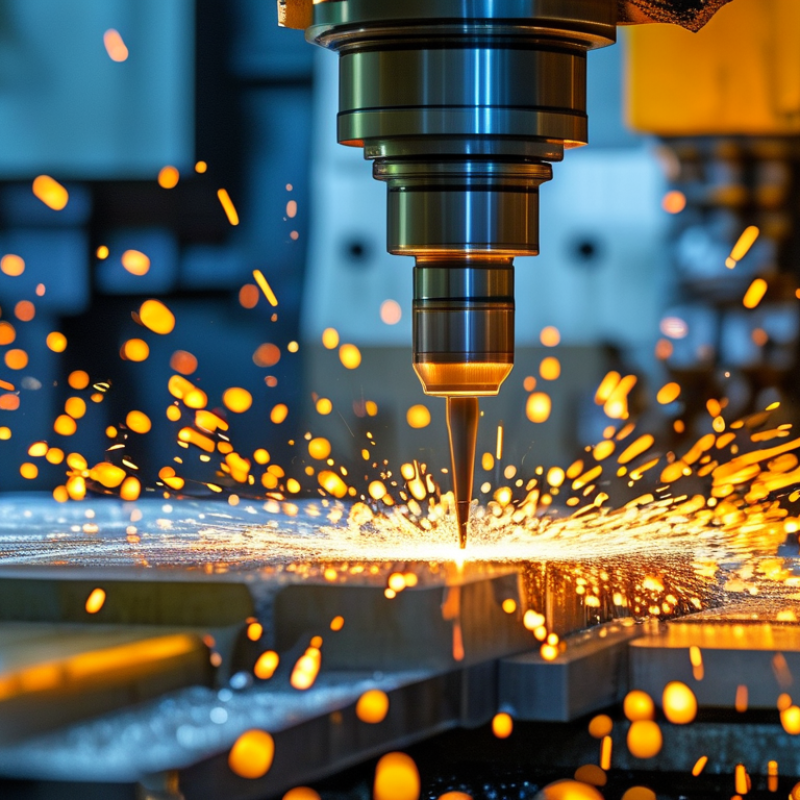
Advantages of Precision in Metal CNC Machining
Metal CNC machining stands as a pivotal technology for global buyers, especially when considering precision. Recent industry reports highlight that precision machining can boost production efficiency by up to 30%. This accuracy minimizes material waste and ensures consistent quality in components. In sectors like aerospace, where tolerances can be as tight as ±0.005 inches, the need for precision is more than a preference; it's a necessity.
Using advanced CNC technology, manufacturers can create complex geometries with remarkable fidelity. In fact, a survey by the International Journal of Advanced Manufacturing Technology found that 75% of manufacturers favor CNC machining for its repeatability. Consistency in production means fewer defects, which directly influences a company's bottom line. However, achieving such precision isn't without its challenges. Setting up CNC machines for intricate tasks requires skilled operators who can calibrate tools accurately and troubleshoot issues.
Moreover, while precision is fundamental, it also demands constant reflection on processes. Relying solely on advanced machinery might overlook human factors that can introduce errors. For instance, operator fatigue can ironically compromise precision. Ongoing training and evaluation of both technology and personnel are vital. The quest for precision in metal CNC machining continues; it’s an evolving balance between technology and human skill.
Top Benefits of Metal CNC Machining for Global Buyers | Benefit | Description | Impact on Buyers |
| High Precision | CNC machining provides outstanding precision, ensuring parts meet exact specifications. | Reduces errors and rework costs, enhancing product quality. |
| Efficiency | Automated processes lead to faster production times compared to traditional methods. | Increases throughput, allowing faster delivery to customers. |
| Versatility | Able to machine a variety of metals and complex geometries effectively. | Enables custom solutions for diverse applications in various industries. |
| Cost-Effectiveness | Reduces waste material and labor costs by optimizing the machining process. | Helps maintain competitive pricing for end products. |
| Consistency | Ensures consistent quality across large production runs. | Builds trust with customers through reliable quality control. |
| Enhanced Innovation | Facilitates complex designs that can lead to innovative products. | Attracts new clients looking for cutting-edge solutions. |
Cost-Effectiveness for Global Manufacturing Needs
Metal CNC machining is a vital solution for global manufacturing needs. This process allows for precise cuts, shaping, and finishing of metal parts. According to a report by MarketsandMarkets, the global CNC machining market is projected to reach $100 billion by 2026, reflecting its growing significance in various industries.
Cost-effectiveness is a major benefit of CNC machining. It reduces labor costs and minimizes waste. Automated processes lead to consistent quality, ensuring fewer errors during production. A study from Deloitte found that manufacturers using CNC technology can reduce their production costs by up to 30%. This efficiency is appealing to global buyers looking to optimize their supply chains.
Despite its advantages, there are challenges to consider. Initial setup costs can be high, which might deter small businesses. Additionally, the technology requires skilled personnel to operate. As the industry evolves, adapting to new advancements becomes necessary. These factors illustrate that while CNC machining offers substantial benefits, continual assessment and adaptation are essential for leveraging its full potential.
Customization and Flexibility in Product Designs
Metal CNC machining offers unparalleled customization and flexibility, essential for global buyers. This technology enables precise and intricate designs that meet specific requirements. Buyers can choose dimensions, materials, and finishes tailored to their unique needs. A wide range of materials, like aluminum, stainless steel, and brass, allows for versatile applications.
However, achieving perfection can be challenging. Variability in raw materials may affect the final product. A design that seems feasible might not function as expected. Therefore, it’s crucial to communicate openly with manufacturers. Discussing potential limitations early helps prevent misunderstandings later.
Furthermore, the ability to quickly prototype designs facilitates innovation. Immediate feedback on prototypes can lead to significant design refinements. This iterative process, while time-consuming, contributes to a final product that better meets market needs. Embracing flexibility in designs often results in superior outcomes, despite initial hurdles. This adaptability is what sets metal CNC machining apart in a competitive market.
Enhanced Production Efficiency and Time Savings
Metal CNC machining significantly enhances production efficiency and saves time for global buyers. This advanced technology automates the manufacturing process, reducing manual input and allowing for a higher output rate. Components that would take days to produce can now be completed within hours. This rapid turnaround is crucial for industries facing tight deadlines.
Precision is another critical aspect of CNC machining. Each part is designed using computer algorithms, ensuring tight tolerances and consistent quality. However, errors can still occur during programming. Buyers must ensure proper monitoring of the machining process to catch any flaws early. The ability to quickly adjust and correct these errors is vital for maintaining production schedules.
Yet, the transition to CNC machining isn't without its challenges. The initial setup costs can be high, and not every buyer may be familiar with the technology. Training personnel in CNC operations is necessary. Companies need to weigh these factors against potential long-term gains. Careful assessment can lead to more informed decisions, ultimately leveraging the efficiency that metal CNC machining offers.
Quality Control and Consistency in Manufacturing Processes
Metal CNC machining has transformed the manufacturing landscape, providing unparalleled quality control and consistency. According to a study by the International Journal of Advanced Manufacturing Technology, companies leveraging CNC machining reported a 30% reduction in defects compared to traditional machining methods. This substantial improvement underscores the effectiveness of CNC technology in maintaining tight tolerances across production runs.
Precision is critical in sectors such as aerospace and automotive. A report from the American Society for Precision Engineering indicated that CNC machining can achieve tolerances of ±0.01 mm, far exceeding manual machining capabilities. However, not all facilities consistently maintain these standards. Factors such as operator skill and machine calibration can introduce variability. These challenges highlight the need for rigorous training and real-time monitoring to ensure reliability.
While CNC machining offers impressive benefits, it is not without its shortcomings. Companies may face initial setup costs and longer lead times for complex components. Acknowledging these nuances is essential for global buyers seeking to implement CNC machining solutions in their processes. Continuous improvement efforts and regular assessments can help address these issues and enhance overall production quality.
Top Benefits of Metal CNC Machining for Global Buyers