
What are the Benefits of Using a Dist Transformer?

The use of Dist Transformers is increasingly prevalent in various industries, notably in electrical distribution. According to the U.S. Energy Information Administration, the global demand for electricity is projected to increase by 23% by 2030. This surge necessitates more efficient electrical systems. Dist Transformers play a crucial role in enhancing energy efficiency, reducing losses during transmission. Industry reports emphasize that properly used Dist Transformers can decrease energy loss by up to 30%.

The significance of Dist Transformers extends beyond mere efficiency. They provide voltage regulation, improve reliability, and ensure safety in power distribution networks. A study by the International Energy Agency indicates that integrating advanced Dist Transformers can lead to a 15% improvement in overall system reliability. However, the installation and maintenance of these systems can be costly and complex. Organizations must weigh these factors against the potential long-term benefits.

While the advantages are clear, the implementation of Dist Transformers may come with challenges. Many businesses lack the knowledge required for optimal usage. Moreover, outdated infrastructure may hinder the full benefits of modern Dist Transformers. Continuous education and skilled workforce training are crucial for maximizing their potential. Thus, the journey to effective use of Dist Transformers reflects both promise and the need for careful planning.
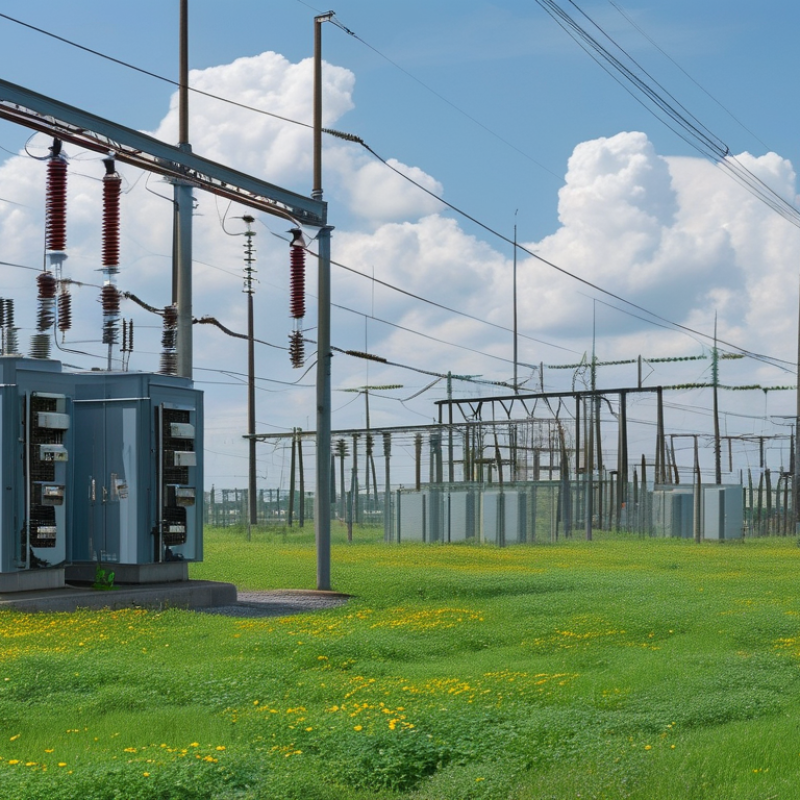
What are the Benefits of Using a Dist Transformer?

Overview of Dist Transformers and Their Functionality

A distribution transformer, commonly known as a dist transformer, plays a crucial role in energy distribution systems. It steps down voltage levels from transmission lines to usable levels for homes and businesses. These transformers enhance efficiency by minimizing energy loss during distribution.

The operational functionality of dist transformers is fascinating. They work by utilizing electromagnetic induction, transforming high voltage into lower voltage levels. This process ensures that electricity is safely delivered to end-users. Their design considers factors such as load capacity and environmental impact. Proper installation is vital for optimal performance and longevity.

When selecting a dist transformer, consider your specific needs. Understand your load requirements and local regulations. The choice of materials also impacts efficiency and durability.

Monitoring temperature and load conditions can improve transformer reliability. Regular maintenance checks help identify potential issues early. Noise levels can indicate operational inefficiencies that require attention. Balancing efficiency and sustainability is essential in today's energy landscape.

Benefits of Using a Dist Transformer

Key Advantages of Dist Transformers in Electrical Systems

In electrical systems, dist transformers offer several benefits that enhance efficiency and safety. One key advantage is voltage regulation. Dist transformers can convert high voltage to a lower, safer level for various applications. This reduces the risk of electrical hazards and equipment damage. When used correctly, they maintain steady voltage, even under varying load conditions.

Another benefit is reduced energy losses. Dist transformers are designed to operate with high efficiency. They minimize losses due to heat and other factors. This efficiency translates into lower energy bills, making them economical for long-term use. Users can also save on maintenance costs, as these transformers often require less frequent servicing.

However, not all installations are perfect. Some might find that space constraints limit transformer usage. Additionally, improper sizing can lead to reduced performance. Users should constantly evaluate their systems to ensure they meet specific needs. Over time, it's essential to reflect on how these transformers could adapt to changing demands while still providing reliability and safety.

Impact of Dist Transformers on Power Quality and Reliability

Dist transformers play a crucial role in enhancing power quality and reliability in electrical systems. These devices help in voltage regulation by stepping voltage levels up or down as needed. This adjustment minimizes potential fluctuations, which can disrupt sensitive equipment. Improved voltage stability means that appliances operate more efficiently and with less risk of damage.

Additionally, dist transformers can filter out harmonics. Harmonics can distort the electrical waveform, leading to inefficiencies. By reducing these distortions, transformers help maintain cleaner energy supply. This leads to better performance and longer lifespans for connected devices. However, the effectiveness of these transformers can vary based on installations. Proper placement and maintenance are essential for optimal results.

It is also worth noting that while dist transformers enhance reliability, the installation process requires careful planning. Potential miscalculations in load requirements can lead to underperformance. Adopting a thorough analysis approach ensures that these transformers fulfill their intended purpose. Addressing each variable is vital for achieving reliable power quality.

Cost Efficiency and Maintenance Benefits of Dist Transformers

Dist transformers play a crucial role in enhancing cost efficiency in electrical distribution networks. According to a study by the Electric Power Research Institute, these transformers can reduce energy losses by 15-20%. This reduction translates to significant savings over time, especially for facilities with high energy consumption. Their ability to operate at lower voltages minimizes energy waste. As energy prices continue to rise, maximizing efficiency becomes essential.

Maintenance is another significant advantage of dist transformers. Their robust design typically leads to longer lifespans, often exceeding 25 years. Regular inspections and maintenance can further extend their reliability. The Institute of Electrical and Electronics Engineers emphasizes that preventive maintenance reduces unexpected failures by approximately 30%. However, some facilities overlook this element, leading to potential operational hazards. Identifying and addressing maintenance gaps is crucial for optimizing performance.

Overall, investing in dist transformers can yield substantial financial and operational benefits. Achieving cost efficiency and reliable maintenance requires careful planning and ongoing attention. Understanding these factors can help in making informed decisions regarding electrical infrastructure management.

Applications of Dist Transformers in Industry and Infrastructure

Dist transformers play a crucial role in various industries and infrastructure projects. They are effective for stepping down voltage levels, ensuring safety and reliability. In the energy sector, for instance, around 60% of electricity supplied to industrial equipment uses transformed voltages. This proves that dist transformers are essential for optimizing electrical performance, reducing losses.

Moreover, the application of dist transformers can be seen in renewable energy systems. According to a recent report, 45% of solar installations leverage these transformers. They help in integrating renewable sources into the grid by managing fluctuating voltages. For wind farms, dist transformers enhance efficiency, allowing for smoother energy flow. The ability to manage different electrical loads makes them indispensable.

However, issues can arise. Outdated transformer technology may lead to higher maintenance costs. Reports indicate that nearly 30% of older transformers are inefficient. Regular assessments are necessary to avoid potential downtime. Implementing modern solutions is not just beneficial; it is essential for sustaining electrical infrastructure’s long-term reliability.

Our dedicated sales and support staff are here to help you identify the ideal pump solution for your needs.

Contact Us