
In the rapidly evolving world of data transmission, the choice of cables significantly impacts performance. Passive Direct Attach Cable (PDAC) has emerged as a favored option among IT professionals. These cables offer high-speed connectivity and reliability for various applications. With a focus on energy efficiency and cost-effectiveness, organizations are turning to PDACs to meet their networking needs.
One major advantage is the reduced power consumption. PDACs eliminate the need for external power sources, making them environmentally friendly. The simplicity of installation further enhances their appeal, as technicians can set them up quickly. Additionally, the inherent durability of these cables means lower maintenance costs over time. While they provide several benefits, users must also consider length limitations and deployment scenarios.
Understanding the characteristics of Passive Direct Attach Cables allows for better decision-making. Yet, potential downsides exist, including compatibility issues with some systems. Choosing the right cable requires careful consideration. Awareness of these factors can lead to improved performance and enhanced network reliability.
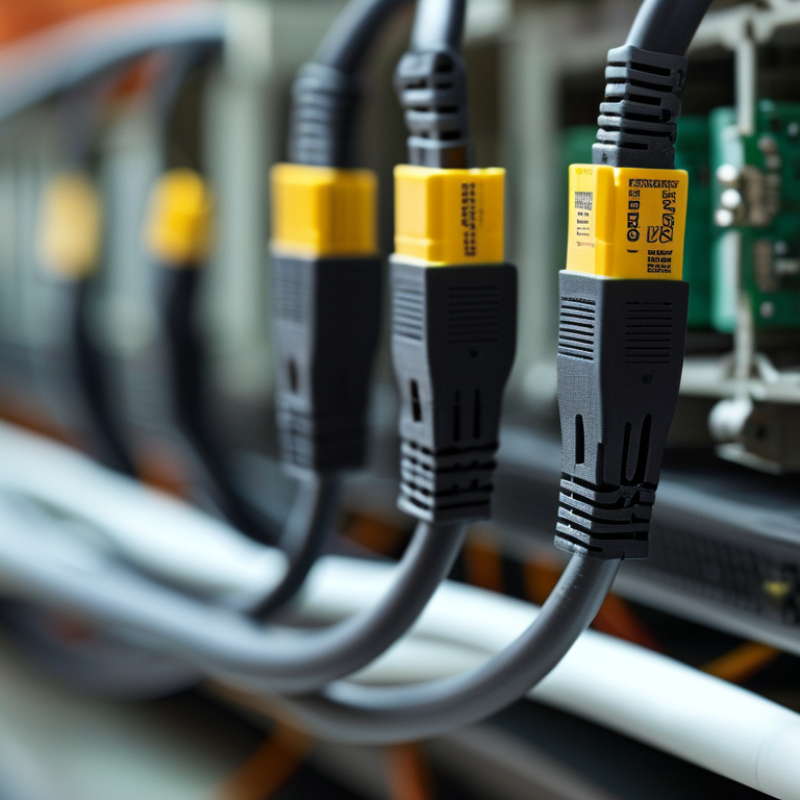
Passive Direct Attach Cables (DACs) have become a go-to solution for high-speed data transfer in many industries. Their design allows for efficient performance with minimal latency. These cables feature a simple construction that minimizes signal loss. This is crucial in environments where every millisecond counts.
The versatility of passive DACs is notable. They are compatible with various equipment, including switches and servers. Thanks to their lightweight design, installation is straightforward. Users often appreciate their cost-effectiveness compared to fiber optic cables. However, the range limitation of passive DACs can be a drawback. They are typically suited for shorter distances. This can pose challenges in larger setups, making users reconsider their configurations.
Moreover, passive DACs often lack the flexibility of their active counterparts. They do not amplify signals. This can lead to potential issues in fast-paced environments where speed is paramount. Understanding these nuances can help in making informed decisions. The benefits are clear, but recognizing the limitations is equally important for optimal data transfer efficiency.
| Benefit | Description | Impact on Performance |
|---|---|---|
| Cost-Effectiveness | Lower manufacturing cost compared to active cables. | Affordable solution for high-speed connections. |
| Energy Efficiency | Consumes less power than active cables. | Reduces operational costs. |
| Compactness | Slim and lightweight design. | Easier to manage and install. |
| High Bandwidth | Supports high data rates up to 10 Gbps. | Ideal for data centers handling large volumes of traffic. |
| Durability | Built to withstand harsh conditions. | Long lifespan and reliability. |
| Low Latency | Minimal signal delay. | Enhances real-time data transfer. |
| Plug and Play | No additional software needed. | Easy installation and use. |
| Compatibility | Works with a wide range of systems. | Versatile solution for various applications. |
| Heat Dissipation | Generates less heat than active cables. | Improves the overall thermal management of systems. |
| Environmentally Friendly | Less electronic waste compared to active solutions. | Supports green initiatives in technology. |
Passive direct attach cables (DACs) offer significant cost advantages in network infrastructure. They require lower initial investment compared to traditional fiber optic cables. This makes them particularly appealing for small to medium-sized businesses. A typical DAC is more affordable than its fiber counterpart, especially when dealing with short distances. This cost-effectiveness helps organizations optimize their budgets while still ensuring reliable data transmission.
Moreover, passive DACs are often easier to manage. They eliminate the need for complex connectors and are typically plug-and-play ready. Installation becomes less time-consuming, which further reduces labor costs. However, the trade-off is their limited range—usually effective only up to 7 meters. This might not suit all networking environments. While they save money upfront, organizations must assess whether the shorter range aligns with their specific needs.
In a rapidly evolving tech landscape, balancing cost with performance is crucial. Passive DACs present a solid solution for companies needing robust connectivity without significant investments. Yet, they might not always be the best choice for expansive networks. Organizations should carefully evaluate their infrastructure requirements and future growth plans.
When comparing energy efficiency between passive and active direct attach cables, passive solutions often stand out. According to a recent report from the Optical Fiber Association, passive cables can reduce energy consumption by up to 50% over active cables. This efficiency stems from their simpler design, which eliminates the need for additional components that consume power.
Passive cables operate without the embedded electronics found in active versions, leading to lower overall energy usage. A study by the Transmission Cable Institute noted that passive cables also generate less heat, which can contribute to longer service life and reduced cooling costs. This is especially significant in data centers where cooling can account for nearly 30% of total energy consumption.
Yet, there are challenges to consider. Not all applications may benefit from passive solutions, especially those requiring long distances or high data rates. In these cases, active cables, while less energy-efficient, might be necessary for optimal performance. It's crucial to assess both options to find the right balance between efficiency and functionality, ensuring that energy savings do not compromise performance.
Enhanced Signal Integrity in Passive Direct Attach Cable Applications
Passive Direct Attach Cables (DACs) have transformed data transmission in various applications. One of their primary advantages is enhanced signal integrity. These cables maintain a stable electrical performance, which is crucial for high-speed data transfer. When data packets travel through a passive DAC, they experience minimal signal degradation. This quality ensures reliable communication across devices.
The design of passive DACs plays a significant role in signal integrity. Their construction uses high-quality materials that reduce resistance and crosstalk. As a result, data signals traverse with fewer interruptions. This characteristic is vital in environments that require consistent performance, such as in data centers and large networks. However, some users may find that the cable length can impact performance. Longer cables might introduce additional concerns for signal clarity.
Moreover, passive DACs are cost-effective. They offer a budget-friendly alternative to active cables without compromising performance. This balance is appealing to businesses aiming to optimize expenses. Let's not ignore the fact that choosing the right cable requires careful consideration. Ensuring compatibility with equipment is essential. Users must continually assess their needs and equipment capabilities to maintain optimal performance.
The adoption of passive direct attach cables (DAC) has been rising steadily in various industries, especially in data centers. As the demand for high-speed data transfers increases, these cables present an appealing solution. Their simplicity and cost-effectiveness make them a preferred choice for many organizations. Passive DACs are typically used in short-range connections, where low latency is critical. This trend is evident in networking environments, where efficiency is paramount.
Recent studies show significant growth in DAC deployment in cloud computing and other sectors. The shift towards 25G and 100G networks has accelerated interest in passive DACs. Their energy efficiency and ease of installation contribute to this trend. However, organizations may face challenges in scalability and compatibility with future technologies. As data requirements evolve, businesses must evaluate their long-term strategies for DAC utilization.
Despite their benefits, passive DACs may not always be the ideal choice for all applications. For instance, in high-density setups, longer reach cables are sometimes necessary. This leaves companies to reflect on their specific needs and infrastructure before committing fully to DAC technology. An informed decision involves balancing the immediate advantages with potential future limitations.
We are here to help you with all your queries and concerns, just write to us using the below form and we will get back to you as soon as we can.