
Top Benefits of Using Stainless Steel Drive Shafts for Your Projects?

The use of Stainless Steel Drive Shafts in engineering projects has gained significant attention due to their numerous advantages. Many industries are shifting towards this material for its strength and longevity. According to the American Society of Mechanical Engineers, stainless steel components have a lifespan that exceeds traditional materials by nearly 30%. This durability translates into reduced maintenance costs and extended service intervals.

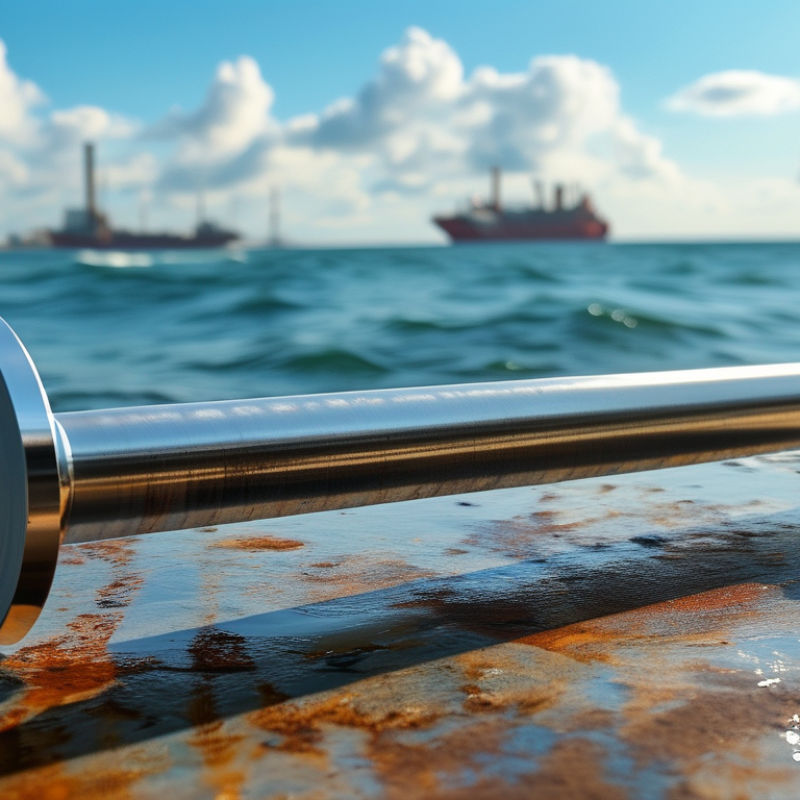
A stainless steel drive shaft offers exceptional resistance to corrosion. This is crucial for applications in marine and chemical environments where other materials may fail. A report by the Machinery Research Institute indicates that nearly 40% of equipment failures are due to corrosion-related issues. The choice of a stainless steel drive shaft can mitigate this risk effectively.

Despite these benefits, some engineers remain hesitant. Concerns about higher upfront costs and potential weight implications persist. Yet, the long-term benefits often outweigh these initial drawbacks. By investing in stainless steel drive shafts, projects can achieve increased reliability and performance over time. The overall impact enhances project outcomes and fosters a commitment to quality engineering practices.
Top Benefits of Using Stainless Steel Drive Shafts for Your Projects?

Key Characteristics of Stainless Steel Drive Shafts

Stainless steel drive shafts have several key characteristics that make them ideal for various projects. One of the main advantages is their corrosion resistance. This property ensures longevity in environments exposed to moisture. A stainless steel shaft can withstand harsh conditions without deteriorating quickly. This durability often leads to lower replacement costs over time.

Another important characteristic is strength. Stainless steel offers high tensile strength, which means these drive shafts can handle heavy loads effectively. This capability is vital in automotive and industrial applications where reliability is crucial. However, one must consider the weight of stainless steel. It might not always be the best choice for lightweight applications where every gram counts.

Tip: Always evaluate your specific project's needs. Consider whether the strength and durability of stainless steel align with your objectives. Sometimes, alternatives may suit your requirements better.

Furthermore, stainless steel drive shafts exhibit excellent versatility. They can be easily customized to fit unique specifications. Although machining stainless steel can be challenging, skilled professionals can achieve impressive results. It’s essential to reflect on whether your project justifies the effort and cost associated with this material.

Tip: Consult with experts when in doubt. An experienced technician can offer insights into material selection and design considerations.

Top Benefits of Using Stainless Steel Drive Shafts for Your Projects

Characteristic Description Benefit
Corrosion Resistance Stainless steel drive shafts resist rust and corrosion, enhancing durability. Longer lifespan in harsh environments.
Strength High tensile strength compared to other materials allows for heavy loads. Reliable performance under stress.
Lightweight Less weight compared to traditional drive shaft materials. Improved handling and fuel efficiency.
Low Maintenance Minimal upkeep required due to resistance to wear and degradation. Cost savings over time.
Versatility Can be used in a variety of applications across different industries. Flexibility in project design.

Advantages of Durability and Longevity in Stainless Steel Drive Shafts

Stainless steel drive shafts are renowned for their exceptional durability and longevity. They resist corrosion, even in harsh environments. This feature is critical for industries like construction and automotive. Stainless steel maintains its strength over time, which prevents wear and damage. This longevity translates into lower maintenance costs and fewer replacements.

In practice, the durability of stainless steel can sometimes be overstated. While it withstands heavy loads and temperatures, factors like improper installation can lead to failure. Regular inspections are essential to ensure optimal performance. A well-maintained stainless steel drive shaft can outlast its competitors significantly, but neglect can quickly negate those advantages.

It's important to strike a balance between expectations and real-world application to maximize its benefits.

Corrosion Resistance: A Crucial Benefit for Drive Shaft Applications

Corrosion resistance is vital in drive shaft applications. Stainless steel excels here. It can withstand harsh environments, preventing rust and degradation. Projects involving water, chemicals, or extreme temperatures benefit greatly. The longevity of the shafts reduces maintenance costs. This saves both time and money for businesses.

Stainless steel drive shafts are not just strong; they offer durability that less resistant materials lack. However, not all stainless steel grades provide the same level of corrosion resistance. The right material selection matters. Choosing a subpar grade can lead to failures, so research is essential.

While stainless steel is beneficial, some might struggle with weight considerations. Heavier shafts can impact performance. Additionally, the initial cost may deter some project managers. Weighing these factors will lead to better outcomes. Evaluating the long-term benefits against the cons is key. Proper assessment ensures optimal use in various applications.

Cost-Effectiveness and Maintenance Considerations of Stainless Steel Drive Shafts

When considering materials for drive shafts, stainless steel stands out for its cost-effectiveness. This metal offers great strength and durability, making it a fantastic choice for various projects. While the initial investment might be higher than alternatives, the long-term savings are significant. It resists corrosion and wear, leading to lower replacement costs over time.

Maintenance is another crucial factor. Stainless steel drive shafts typically require less upkeep compared to other materials. They do not need frequent coating or painting. However, some projects may still encounter challenges. Issues like surface scratches can occur, which might affect performance. Regular inspections are important to ensure optimal function.

Incorporating stainless steel can elevate your project’s longevity. The balance of cost and maintenance aligns well with modern durability needs. It's essential to weigh the upfront cost against potential savings and maintenance demands. A careful assessment of project requirements can lead to informed choices. These considerations make stainless steel a wise material for long-lasting and efficient drive shafts.

Applications of Stainless Steel Drive Shafts in Various Industries

Stainless steel drive shafts are essential components in various industries, offering durability and corrosion resistance. These shafts are widely used in automotive, aerospace, and industrial machinery applications. Their strength and longevity make them a preferred choice for many projects.

In the automotive sector, stainless steel drive shafts transfer torque efficiently. They withstand high temperatures and harsh conditions, ensuring smooth performance. In aerospace, they help in minimizing weight while maintaining high strength. This is crucial in aircraft, where every gram counts.

Tips: When selecting stainless steel drive shafts, consider the environment they will operate in. Assess corrosion risks and choose appropriate grades. Regular inspections are vital for detecting wear. Even top-quality materials can fail if not maintained.

Moreover, in industrial applications, these shafts often endure heavy loads. Their resistance to wear enhances productivity and reduces downtime. However, improper installation can lead to alignment issues. Address alignment carefully to avoid unnecessary wear. Always consult with experts when in doubt.

Our dedicated sales and support staff are here to help you identify the ideal pump solution for your needs.

Contact Us