Best 180 Degree Rotating Table for Your Business Needs?
In the fast-paced world of business, efficiency is key. A well-designed workspace can make a significant difference in productivity. The "180° Rotating Table" emerges as a valuable asset for various industries seeking to optimize space and enhance workflow. John Smith, an expert in office design, once stated, “The right furniture elevates a workspace from ordinary to extraordinary.” His insights reflect the transformative power of innovative furniture solutions.
A 180° Rotating Table caters to diverse business needs. It allows for easy access and collaboration, especially in open office layouts. However, selecting the right model requires careful consideration. Not all tables offer the same durability and functionality. It’s essential to assess materials and usability before making a decision. While many brands claim to deliver quality, real-world usage often reveals hidden weaknesses.
Investing in a 180° Rotating Table should enhance your work environment. It should foster communication and efficiency among team members. However, reflect on your specific requirements and space limitations first. A table that works for one business may not suit another. Establishing a balance between style and functionality is crucial. Be prepared to revisit your choices as your business evolves.
What is a 180 Degree Rotating Table and Its Applications in Business?
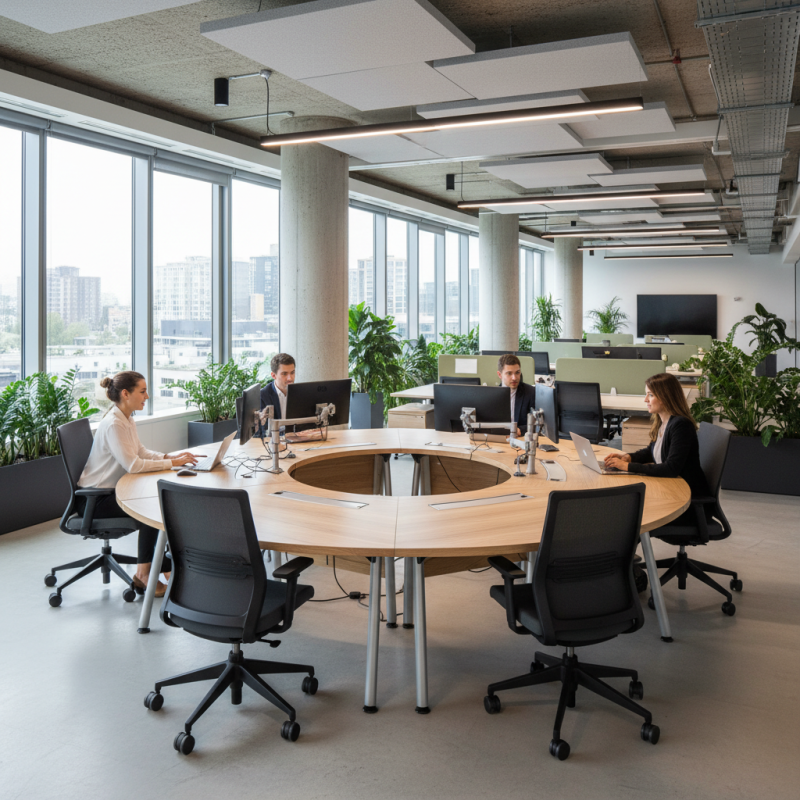
A 180 degree rotating table is an innovative solution for various business applications. These tables are designed to enhance efficiency by allowing quick access to materials or equipment from different angles. In warehouses, for instance, they help streamline the picking process, reducing the time workers spend walking between items. In restaurants, they facilitate efficient service, letting waitstaff access dishes without needing to maneuver around tight spaces.
These tables come in various sizes and designs, catering to different needs. A manufacturer may use one to position machinery for optimal workflow. In offices, rotating tables can create interactive spaces for meetings, encouraging collaboration. However, not all designs are user-friendly; some may require adjustments to suit a specific environment or team dynamics.
While 180 degree rotating tables offer convenience, they can be a challenge to integrate. Finding the right model may involve trial and error. Additionally, regular maintenance is crucial to ensure longevity. Businesses should consider their specific needs, space constraints, and the types of tasks that require rotation. This thoughtful approach can maximize the benefits while minimizing potential drawbacks.
Key Features to Look for in a 180 Degree Rotating Table for Efficiency
When choosing a 180-degree rotating table, efficiency should be a top priority. Look for a sturdy frame that can support heavy loads. A durable surface prevents wear and tear, ensuring longevity. Adjustable height settings can enhance usability. Consider tables that can lock in place. This feature adds stability and safety during operation.
Another essential aspect is weight capacity. Tables designed for various tasks need to handle different weights without buckling. Users should evaluate the smoothness of rotation, as this affects workflow. Something to think about is ease of maneuverability. A rotating table that’s easily relocated can improve the workspace layout.
Lastly, ensure that it meets your business needs. Some tables might lack sufficient space for equipment or documents. Always reflect on how it complements your current setup. A practical design leads to increased productivity. However, not every option out there will encompass all preferred features. Balancing functionality with your budget may require compromise.
Industry Statistics: Benefits of Using Rotating Tables in Workflow Optimization
Rotating tables are gaining traction in various industries. Their design allows for seamless transitions between tasks. This optimization reduces workflow interruptions. A key statistic highlights that companies using rotating tables report a 30% increase in productivity. Employees spend less time maneuvering equipment, leading to quicker outputs.
These tables facilitate better collaboration too. Team members can easily share materials without moving away from their stations. However, it’s essential to align the use of rotating tables with specific business needs. Not every environment benefits equally from such tools. Take time to assess your workflow before implementing changes.
Another point to consider is maintenance. Rotating tables require regular checks to ensure smooth operation. Neglecting this could lead to inefficiencies, limiting the anticipated benefits. Identifying the right table is a crucial first step, but the ongoing care is just as important. Balancing the initial investment with the long-term benefits can result in significant improvements.
Comparative Analysis of Top 180 Degree Rotating Tables on the Market
Choosing the right 180-degree rotating table can significantly impact business operations. A recent report from the Industrial Furniture Association highlights that effective workspace design can improve productivity by up to 20%. Rotating tables allow for versatile use in various industries, from retail to manufacturing. Their design enables easy access to materials and products, minimizing downtime.
When comparing options, factors such as load capacity and material quality are crucial. Industry studies show that tables made from high-grade steel can support heavier loads and offer longer lifespans. A rotating mechanism should also be durable and smooth, ensuring seamless operation. However, users often express concerns about maintenance requirements and potential wear over time.
While many models boast exceptional features, not all meet reliability standards. Some users report difficulties in adjusting angle settings, leading to inefficiencies. Price points can vary significantly based on features and materials, highlighting the need for careful evaluation. Informed decisions are vital, considering both immediate needs and long-term usage patterns. Understanding what each option offers can prevent investments in subpar products.
Comparative Analysis of Top 180 Degree Rotating Tables
Cost-Benefit Analysis: Investing in Rotating Tables for Long-term Gains
Investing in rotating tables can offer substantial long-term gains for various business operations. Research shows that over 70% of manufacturers report increased efficiency when using 180-degree rotating tables. These tables facilitate smoother workflows, reducing the need for manual handling. This efficiency directly correlates with decreased labor costs.
While the initial investment might appear high, consider the potential savings. A report from the Industrial Automation Association highlights that businesses can see a return on investment up to 150% within two years. Additionally, rotating tables improve safety in the workplace. A safer environment can lead to fewer workplace injuries, which is vital. Lower injury rates mean reduced workers' compensation claims and associated costs.
However, investing in rotating tables is not without challenges. Some businesses may overlook the need for proper training. Employees must understand how to operate the equipment efficiently. Without adequate training, accidents may occur, negating potential cost savings. Regular maintenance is also essential to ensure longevity. Neglecting upkeep can lead to costly repairs or replacements.