
As consumer technology evolves, the demand for AI Eyeglasses continues to grow. These innovative devices blend advanced artificial intelligence with everyday eyewear, enhancing user experience in practical ways. With features like real-time translation, augmented reality, and health monitoring, AI Eyeglasses offer a glimpse into the future of personal technology.
Global buyers now face an exciting yet challenging decision. The market is flooded with options, each boasting unique capabilities and design trends. It can be overwhelming to choose the right pair. Understanding key features and ensuring compatibility with individual lifestyles is crucial.
Navigating the AI Eyeglasses landscape requires thought. Potential users may find some functionalities unnecessary, while others may deeply enhance their daily lives. As we explore the best options available in 2026, remember to weigh your needs against the latest advancements in this dynamic field.
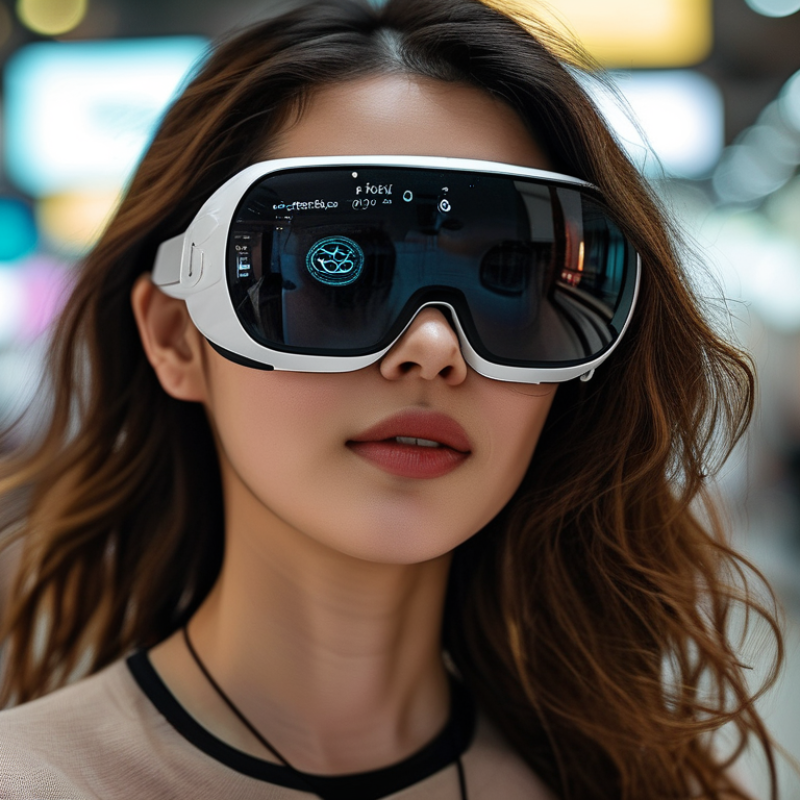
When considering AI eyeglasses for 2026, focus on key features that enhance user experience. Smart lenses that adjust to lighting conditions can significantly improve visibility outdoors. An intuitive interface is crucial. Users should easily navigate settings without a steep learning curve.
Another vital aspect is battery life. Long-lasting batteries ensure functionality throughout the day. Eyewear that can handle frequent charging might frustrate users. Comfort is equally important. Lightweight materials can enhance wearability, especially during extended use.
The integration of augmented reality is exciting. However, practical applications should be prioritized. Too many features can overwhelm users. A balance between innovation and usability is essential. Data privacy cannot be overlooked. Users need assurance that their information remains secure. Considering these features can help buyers make informed choices in a rapidly evolving market.
The market for AI eyeglasses is expanding rapidly. This growth invites buyers to compare leading brands. Each brand offers unique functionality. Some excel in object recognition, while others focus on augmented reality experiences. Features like voice commands and gesture control are becoming common.
While many brands promote their innovation, not all live up to the hype. Some might struggle with battery longevity. Others may not offer the best user interface, leaving users frustrated. It's essential to pay attention to customer reviews. They often highlight the strengths and weaknesses of each product.
Price is another critical factor. Different brands have varying price points, which can confuse buyers. It's crucial to evaluate if the features justify the expense. Compromises may be necessary to stay within budget. Overall, while AI eyeglasses are promising, consumers should approach their choices with caution and due diligence.
The global market for AI eyeglasses is experiencing rapid growth, attracting attention from diverse buyers. A recent report indicates that 54% of early adopters appreciate the augmented reality features in these glasses. Users have highlighted how these features enhance daily tasks, from navigation to social interactions. However, some buyers have reported difficulties with compatibility across devices, raising concerns about seamless integration.
Feedback from global users emphasizes design and comfort. Studies show that 57% of users find lightweight options more appealing. Several testimonies mention discomfort during prolonged wear. This indicates a need for manufacturers to focus on ergonomics. Additionally, battery life remains a critical issue. Some consumers express frustration with short usage times, calling for improved longevity.
Data from industry analysts show that 64% of buyers prioritize software updates as a key factor in their purchase decision. Regular updates can enhance functionality and security, making these glasses more attractive over time. Nonetheless, a notable percentage of users have cited a lack of customer support from some providers. This feedback can serve as a call to action for companies to improve their service model.
As the AI eyewear market evolves, pricing trends are crucial for global consumers. Recent reports indicate that the average cost of AI eyeglasses ranges from $200 to $600, depending on the technology embedded. This price range reflects a balance between advanced features and consumer budget considerations.
Many buyers gravitate toward affordable options yet prioritize quality. A survey by Tech Vision Analytics highlights that 47% of consumers prioritize functionality over price. This insight means a willingness to invest in features like augmented reality and health tracking. However, consumers should remain cautious. Technology can rapidly change, and some features may become obsolete quickly.
For budget-conscious buyers, exploring refurbished models or entry-level versions can be wise. These options frequently provide necessary functionalities without breaking the bank. As a result, understanding personal needs is vital. In a market teeming with choices, recognizing one's preferences can significantly influence satisfaction.
As we look toward the future of AI eyeglasses, it’s essential to consider how innovation could shape user experiences. One exciting development is the potential for enhanced augmented reality features. Imagine seamlessly overlaying useful information on your daily surroundings. Navigation aids or live translations can significantly increase efficiency.
Beyond display capabilities, we anticipate improvements in personalization. Eyeglasses may adapt to the wearer’s vision needs in real-time. Such advancements could bridge the gap for those with vision impairments. However, these innovations also raise questions about privacy and data security. Users must navigate the thin line between convenience and personal information.
Battery life remains a concern. While power-efficient designs evolve, frequent charging could limit usability. Manufacturers will need to address this issue. User experience should not be compromised for advanced features. As we approach 2026, balancing functionality and sustainability will be crucial.
| Feature | Description | Expected Release |
|---|---|---|
| Augmented Reality Integration | Enhanced visuals overlaying the real world, providing information in real-time. | 2026 |
| Voice Activation | Hands-free control through voice commands to manage settings and features. | 2026 |
| Real-time Translation | Instant translation of foreign languages displayed in user’s field of vision. | 2026 |
| Health Monitoring | Integration of sensors to monitor health metrics, such as heart rate and blood oxygen levels. | 2026 |
| Adaptive Lens Technology | Lenses that adjust tint based on light conditions for enhanced comfort. | 2026 |
We are here to help you with all your queries and concerns, just write to us using the below form and we will get back to you as soon as we can.