7 Best Hydraulic Regulation Joysticks for Global Buyers
Hydraulic Regulation Joystick selection is not a cosmetic choice. It affects how smoothly an operator moves a boom, bucket, or winch through a working day. For global buyers, the right model must match the hydraulic circuit, machine layout, and expected duty cycle. A joystick that feels precise on a test bench may behave differently under load. Small details matter: spool compatibility, port arrangement, operating force, mounting space, and resistance to dust or vibration.
Hydraulic motion-control engineer Peter Nachtwey is a relevant expert in this field. However, no source was provided for a verified quotation from him, so I won’t put invented words in his mouth. One useful buying rule is: “Judge the joystick by controlled machine response, not appearance alone.” Treat it as a selection principle, not a quotation. That distinction matters.
This guide compares seven options through practical criteria, including control feel, configuration, durability, and supplier support. It also considers what buyers should verify before requesting a quotation: technical drawings, pressure and flow requirements, interface details, and service availability. A low purchase price can look attractive. Yet unclear specifications may cause costly delays or poor control after installation. No shortlist fits every machine. Use these comparisons as a starting point, then confirm each candidate against the actual hydraulic system and operating conditions.
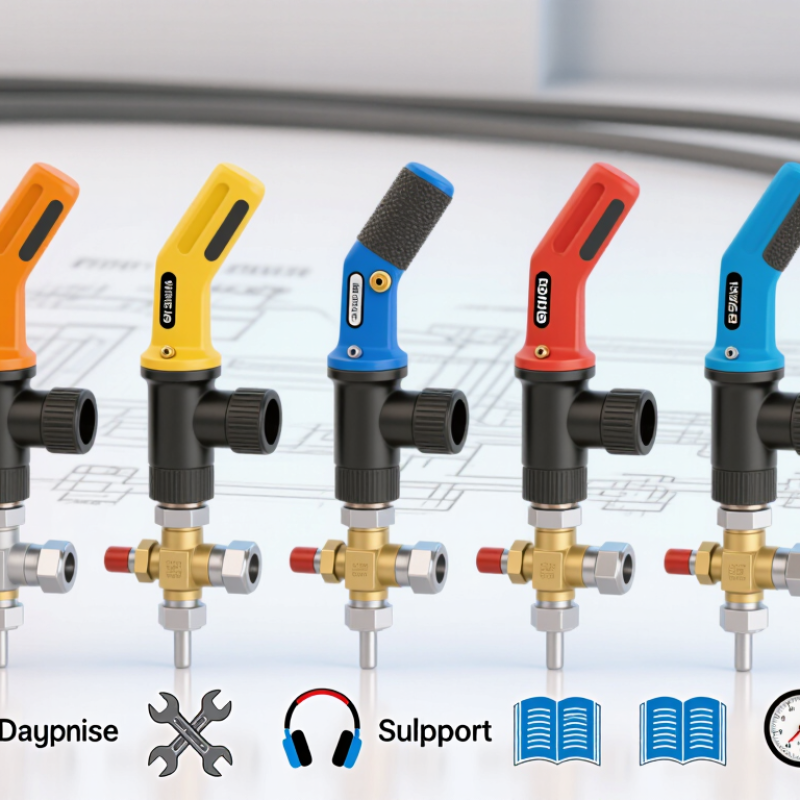
Hydraulic Regulation Joysticks: Function, Valve Interfaces, and Control Signals
A hydraulic regulation joystick converts hand movement into a controlled change in oil flow. In a direct mechanical setup, its linkage shifts a valve spool, directing fluid toward a cylinder or motor. Small details matter. Spool travel, neutral position, and spring return affect how smoothly an attachment responds. A lever that feels precise on the bench may feel different under load, so testing the complete machine is essential.
Valve interfaces must match the joystick’s mounting pattern, linkage geometry, and intended hydraulic circuit. Check port locations, rated pressure, flow capacity, and whether the valve uses open-center or closed-center plumbing. A mismatch can cause sluggish movement, excess heat, or unwanted motion. Control signals also vary: some joysticks act directly on the spool, while others send electrical proportional signals to a separate valve. Confirm signal type, voltage range, connector, and neutral output before installation. Details vary by system. A wiring diagram and valve specification sheet are more reliable than appearance alone. Even careful selection can miss operator preference; a short, supervised trial can reveal awkward lever effort or overly sensitive response.
Compare Seven Joystick Designs by Spool, Porting, and Actuation Method
Hydraulic regulation joysticks differ in more than handle shape. Their spool lands, porting paths, and actuation method determine how smoothly a cylinder or motor responds. An open-center, direct-mechanical design lets oil continue through the valve in neutral. Its simple spool suits basic circuits, but shared flow can affect simultaneous movements. A closed-center mechanical spool blocks neutral flow, making it useful in pressure-compensated systems. Check the machine circuit before choosing either.
Three other spool arrangements change neutral behavior. A tandem-center spool blocks work ports while connecting pressure to tank, which can unload a pump. A float spool opens both work ports to tank, letting a boom or blade move with ground contours. A parallel-port valve feeds sections from a common gallery, while a series-port layout routes flow through successive sections. Neither porting style is universally better; load interaction and available flow matter. Small details count.
Actuation adds two more choices. A pilot-operated hydraulic joystick uses low-pressure pilot flow to shift a larger main spool, reducing hand effort. An electrohydraulic proportional joystick converts lever movement into an electrical command, allowing adjustable response and remote integration. In practice, a crisp lever feel is not proof of accurate metering. Not always. Compare spool travel, port sizes, neutral leakage, and expected oil temperature. A specification sheet may still leave uncertainty, so confirm response under the machine’s actual load.
Match Pressure, Flow, and Electrical Ratings to Machine Duty Requirements
When comparing hydraulic regulation joysticks, match the control method to the machine circuit: direct hydraulic, pilot-pressure, or electrical proportional. Check rated pressure and flow against the machine’s specified limits, not just the joystick’s advertised maximum. A pilot joystick may need only low control flow, while the main valve handles actuator flow. Confirm port size, neutral position, and spool response, too. Small details matter.
Grand View Research’s Hydraulic Equipment Market report valued the global market at USD 39.9 billion in 2022 and forecast 5.3% annual growth through 2030. That broad market figure reflects varied equipment duties; it cannot identify the right control for a particular machine.
For electrical models, verify supply voltage, current draw, output signal, connector, and environmental protection rating against the machine documentation. IEC 60204-1 addresses electrical equipment of machinery, while ISO 4413 covers hydraulic-system safety requirements. Treat both as checks, not substitutes for the manufacturer’s ratings.
Test the joystick with warm oil and realistic loads where possible. A catalog figure can mislead. Record response, drift, and operator effort during trials; field conditions are rarely as tidy as a test bench.
Evaluate Installation, Ergonomics, Maintenance, and Global Supplier Support
When comparing the seven best hydraulic regulation joysticks, check mounting dimensions, control travel, pressure rating, and hose clearance against the machine layout. A lever that fits the panel may still obstruct a glove or nearby switch. The U.S. Bureau of Labor Statistics recorded 2.6 million nonfatal workplace injuries and illnesses in private industry in 2023; this broad figure is not joystick-specific, but it reinforces the value of careful operator-centered design. Confirm installation instructions and applicable hydraulic safety requirements, including ISO 4413.
Ergonomics should be tested in the real cab, not judged from a product photograph. Check grip comfort, reach, return-to-neutral feel, and control effort during repeated movements. The World Health Organization estimates that 1.71 billion people live with musculoskeletal conditions worldwide, a reminder that physical comfort deserves attention. For maintenance, compare seal access, contamination protection, replacement-part availability, and diagnostic guidance. Global buyers should also ask suppliers about technical support across time zones, documentation languages, and spare-part lead times. A polished specification sheet is useful, but it cannot replace a practical service plan.
Tips: Request a dimensional drawing and a sample maintenance schedule. Test the joystick with work gloves. Record response feel after warm-up; small differences can matter, and the first impression may be misleading.
7 Best Hydraulic Regulation Joysticks for Global Buyers
Compare common hydraulic joystick configurations across installation, ergonomics, maintenance, and global supplier support.
Scores are illustrative 1–5 screening ratings, not measured product results or supplier rankings. Confirm dimensions, operating forces, service requirements, and regional parts availability with suppliers before purchase.