
What are the Best Industrial PC Options for Global Buyers

The demand for Industrial PC solutions has surged in recent years. According to a recent market report, the global Industrial PC market is projected to reach USD 6.85 billion by 2026, growing at a CAGR of 6.97%. This rise is driven by the increasing automation in industries such as manufacturing, energy, and transportation. Industrial PCs serve as the backbone of operations, providing robust performance in harsh environments.

With a multitude of options available, selecting the right Industrial PC can be challenging. Buyers need a solution that combines reliability, performance, and scalability. Many manufacturers offer specialized models tailored to different industrial needs, from embedded systems to ruggedized designs. Yet, not all options meet stringent quality standards. The right choice is crucial as a poor decision could lead to operational downtimes.

Evaluating the best Industrial PC options requires careful consideration of key specifications. Factors such as processing power, cooling solutions, and connectivity features should not be overlooked. Industry experts recommend assessing these elements to ensure long-term reliability. Buyers must navigate this complex landscape with a critical eye, considering not just the features but also the vendor's reputation in the market.
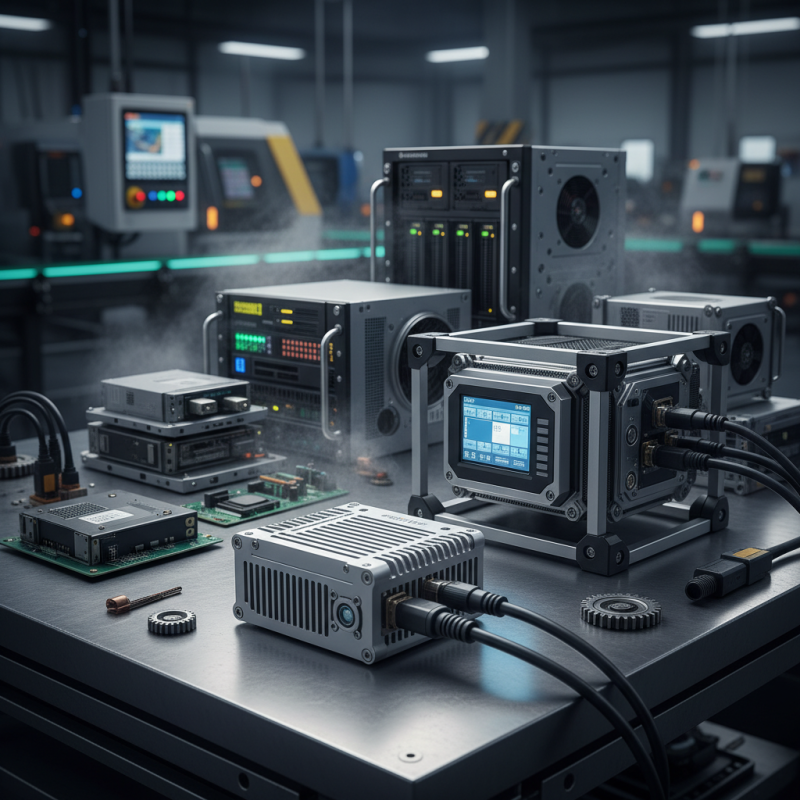
What are the Best Industrial PC Options for Global Buyers

Top Features to Consider in Industrial PCs for Global Buyers

When selecting industrial PCs, global buyers should prioritize key features. The reliability of a device can significantly impact productivity. Look for equipment that endures extreme temperatures and harsh environments. This durability ensures long-term use without frequent repairs.

Performance is essential. Consider processors that can handle demanding tasks. Fast processing speeds enhance efficiency in data-heavy applications. Remember to check compatibility with existing systems to avoid integration issues.

**Tip:** Always assess the power requirements. A reliable power supply can prevent unexpected shutdowns.

Another crucial aspect is support and service. Choose suppliers that offer strong customer support. Timely assistance can mitigate potential downtime. Performing regular maintenance can prolong the life of your equipment.

**Tip:** Document your procurement process. It aids in tracking performance and identifying any potential flaws. Keep an eye on updates and advancements in industrial technology. This helps in making informed future purchases.

Top Features to Consider in Industrial PCs for Global Buyers

Leading Brands of Industrial PCs in the Global Market

The global market for industrial PCs has seen significant growth due to rising automation needs. According to a recent industry report, the market is projected to reach $8 billion by 2025. This growth highlights the importance of selecting the right industrial PC for various applications.

Leading brands dominate the industrial PC space, offering systems tailored for harsh environments. These devices are built to withstand vibrations, extreme temperatures, and dust. Research indicates that over 70% of industries actively seeking durable computing solutions prioritize reliability. They are crucial in sectors like manufacturing and logistics.

While many industrial PCs offer advanced features, buyers must evaluate their unique needs. Some solutions may not align with specific operational demands. It's essential to consider the balance between performance and cost. Decision-makers should remember that investing in the right technology can enhance productivity. However, there's a fine line between over-specifying and meeting actual requirements.

Comparative Analysis of Industrial PC Prices and Specifications

When exploring the best industrial PC options, it's essential to analyze price and specifications thoroughly. Recent market research indicates that industrial PCs range from $500 to $3,000. The variation in price often reflects different specifications, such as processing power, memory, and durability.

Many buyers focus on CPU performance, with reports showing that dual-core processors have become increasingly common. However, more demanding applications require quad-core setups for better multitasking capabilities. Users should be cautious, as opting for a lower-cost model might lead to performance issues under heavy workloads.

Tip: Always check the warranty options when purchasing. A more extended warranty is likely a sign of build quality and reliability.

Additionally, consider the form factor. Compact industrial PCs fit into tight spaces, while larger models offer better cooling. Data shows that rugged models tend to last longer in harsh environments, yet they often come with a higher price tag. Understand your application to ensure your investment is worthwhile.

Tip: Evaluate your specific application needs. Prioritize essential features over flashy specifications to avoid overspending. Balancing cost and capability is crucial for achieving operational efficiency.

What are the Best Industrial PC Options for Global Buyers - Comparative Analysis of Industrial PC Prices and Specifications

Model Processor RAM Storage Price (USD)
Model A Intel Core i5 8 GB 256 GB SSD $900
Model B Intel Core i7 16 GB 512 GB SSD $1,200
Model C AMD Ryzen 5 16 GB 1 TB HDD $850
Model D Intel Xeon 32 GB 2 TB SSD $2,500
Model E Intel Core i3 4 GB 128 GB SSD $600

Regional Considerations for Sourcing Industrial PCs Worldwide

When sourcing industrial PCs globally, buyers must consider regional requirements. Various markets have distinct standards and regulations. For instance, North America emphasizes safety certifications. In Europe, compliance with environmental directives is crucial. These factors impact both product selection and supplier partnerships.

Additionally, assessing logistics is vital. Shipping costs and delivery times vary across regions. In Asia, local suppliers may offer competitive pricing. However, companies might face challenges related to quality control. Researching regional supply chains can mitigate these risks. Understanding local infrastructure is equally essential.

Cultural nuances can also influence purchasing decisions. Communication styles differ widely. Some regions value directness, while others prefer a more nuanced approach. This affects negotiations. Importantly, buyers should be aware of potential political and economic instability in certain areas. Such factors could impact long-term sourcing strategies. Overall, conducting thorough regional research is fundamental for successful procurement.

Future Trends in Industrial PC Technology and Buyer Preferences

The industrial PC market is evolving rapidly, driven by technological advancements and changing buyer preferences. A recent report by MarketsandMarkets indicates that the industrial PC market is projected to reach $6.47 billion by 2025, reflecting a compound annual growth rate (CAGR) of 6.5%. This growth is largely attributed to the rise of Industry 4.0 and the Internet of Things (IoT). These trends emphasize the need for robust, reliable computing solutions that can greatly enhance operational efficiency in manufacturing environments.

Buyers are increasingly valuing versatility and adaptability in their industrial PCs. They seek systems that can handle a diverse range of applications, from edge computing to real-time data processing. A significant finding from a study by Frost & Sullivan suggests that 75% of buyers prioritize performance, while 65% look for durability and ruggedness. This shift shows a strong preference for devices that can withstand harsh conditions and provide seamless operation over extended periods. However, many buyers still struggle to find solutions that balance these requirements effectively, highlighting an ongoing challenge in the market.

As technology continues to advance, the demand for AI-integrated systems is growing. According to a Statista report, AI implementation in industrial settings could improve efficiency by 20% to 30%. Yet, despite these promising figures, some industries remain hesitant to adopt such innovations due to perceived costs and training requirements. This hesitation creates a gap in the market, emphasizing the need for educational resources that can bridge the knowledge divide and help buyers make informed decisions.

Article Source:

Our dedicated sales and support staff are here to help you identify the ideal pump solution for your needs.

Contact Us