Which Magnetic Vacuum Suction Phone Mount Is Best in 2026?

A phone mount can look secure on a desk and still wobble when the road gets rough. That is why choosing the best Magnetic Vacuum Suction Phone Mount in 2026 takes more than comparing glossy product photos. The useful questions are practical: Does the suction base hold on a clean, smooth surface? Can the magnet support your phone and case? Is there a clear way to check the vacuum seal?

Small details matter. A visible indicator, a firm hinge, and an easy release can make daily use simpler. But no mount works equally well on every dashboard. Textured plastic, dust, heat, and phone weight can all affect grip. That part is easy to overlook.

This guide compares the features that matter most, including mounting stability, magnetic strength, adjustability, materials, and setup. It also considers how a mount performs across common surfaces, rather than treating one successful placement as proof of universal reliability. Product claims deserve a careful look, especially when they promise a hold that lasts indefinitely. Real conditions change.

The best choice depends on your phone, case, vehicle interior, and how often you reposition the mount. A model that feels solid in one car may be less dependable in another. Use the comparisons ahead to identify a suitable option, check its limitations, and avoid paying for features you may never use.
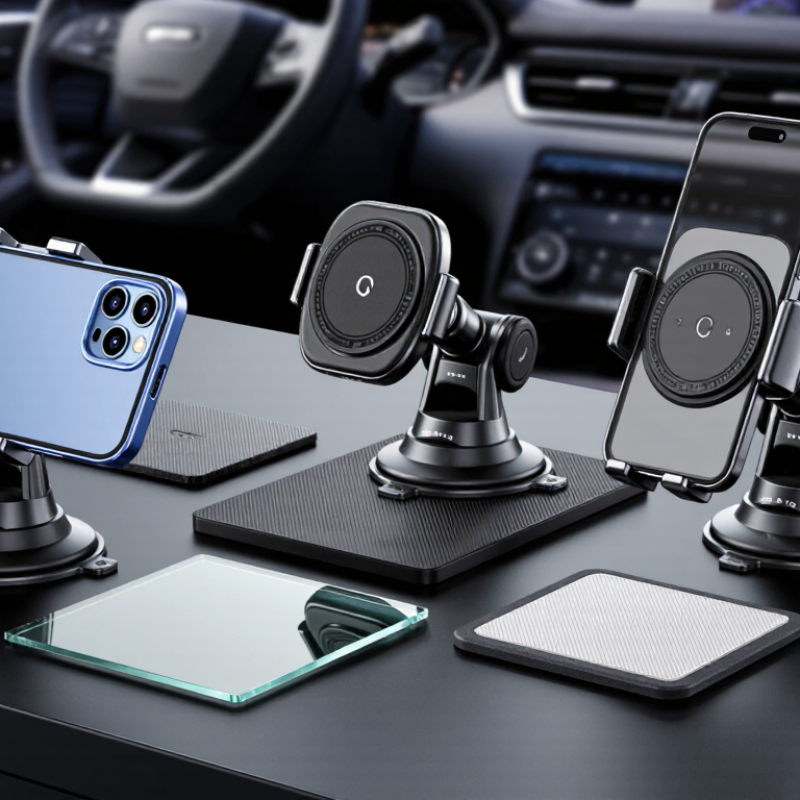
Which Magnetic Vacuum Suction Phone Mount Is Best in 2026?

How Magnetic Vacuum Suction Phone Mounts Work

A magnetic vacuum suction phone mount combines two separate holding systems. A soft gasket seals against glass or a smooth dashboard, while a pump or locking dial removes some air beneath the cup. The outside air then presses the cup against the surface. A magnet holds a metal plate or compatible phone in place. The magnet does not create the vacuum; the suction cup does.

NIST’s Guide for the Use of the International System of Units gives standard atmospheric pressure as 101.325 kPa (NIST Special Publication 811, 2008). At that pressure, a perfectly evacuated, 50-millimeter cup would have a theoretical force ceiling near 199 newtons. Real mounts hold far less: air leaks, imperfect surfaces, and vibration reduce the pressure difference. That is not a real-world rating. A textured dashboard can prevent a reliable seal, while dust or a slightly lifted edge can slowly weaken one. The magnetic connection also loses strength when a thick case increases the gap. I would check both connections after installation, especially before driving on rough roads. The overlooked detail is often the surface, not the magnet.

Key Factors for Evaluating Mount Stability and Magnetic Strength

A stable magnetic vacuum mount needs two separate checks: suction security and magnetic retention. On a clean, dry windshield or dashboard, press the base firmly, then pull it gently from several directions. Look for a shifting edge, a loosening lever, or a phone that tilts over bumps. In a practical test, use the same phone and case you plan to drive with; thick cases can change magnetic contact. Small details matter.

NHTSA’s 2022 traffic-safety data recorded 3,308 deaths involving distracted driving. That figure does not mean mounts caused those deaths, but it underlines why a phone should stay put and within easy view. The Wireless Power Consortium says Qi2’s Magnetic Power Profile supports charging up to 15 watts. Charging power is not a measure of holding force, though. Check whether the phone stays centered during gentle twisting, braking, and repeated road-vibration tests. A small luggage scale can help compare pull-off force between setups, but it is not a certified test. I would avoid trusting a single strong tug. Real roads are less tidy.

Which Magnetic Vacuum Suction Phone Mount Is Best in 2026?

Theoretical suction force at a fixed 30 kPa pressure difference, calculated for three cup diameters.

Larger cups produce more theoretical suction force when pressure difference is equal. Actual performance is lower and depends on the seal, surface, and load direction. Magnetic strength should be checked separately with a pull-off test using the intended phone and case.

Phone and Vehicle Compatibility Requirements

Choosing a magnetic vacuum suction phone mount starts with the phone itself. Check the mount’s stated weight range against your phone, including its case. A thick case or uneven back can weaken magnetic alignment. Some cases need a compatible magnetic ring, placed centrally. Check that the mount holds the phone securely in portrait and landscape positions. Make sure its clamp or plate does not cover the camera, buttons, or charging port. Small details matter.

Vehicle compatibility depends on the mounting surface. Vacuum bases usually grip best on clean, smooth, nonporous surfaces. Deeply textured dashboards, soft-touch coatings, and curved panels may not provide a reliable seal. A windshield can offer a flatter spot, but position the phone where it does not obstruct your view. Heat, cold, dust, and repeated removal can also affect suction. I would recheck the seal after temperature changes; it is easy to forget.

Tips: Clean and dry the surface before installation. Press the base firmly, then test it while parked. Gently tug the mount and check screen reach before driving. If it shifts, try another approved surface. A perfect fit is not guaranteed.

Comparing Mount Designs and Features Available in 2026

In 2026, magnetic vacuum phone mounts vary in how they attach, adjust, and handle daily movement. A lever-operated base is quick to secure, while a twist-lock design can offer more controlled pressure. Neither works equally well on every surface. Textured dashboards, curved trim, and dusty glass may weaken the seal, so check the contact area before mounting. A visible release tab also makes removal easier when repositioning the holder. Small detail, big difference.

The magnetic head matters just as much as the suction base. A wider swivel joint can make it easier to angle the screen away from glare, but extra joints may wobble on rough roads. Look for a stable connection and enough adjustment to keep the phone within comfortable reach. Case compatibility deserves a real check: thick cases or metal accessories can affect alignment and grip. Test the mount while parked, then check that the phone stays steady during ordinary driving. No design is perfect. A compact mount may block less of the view, yet its smaller adjustment range can feel limiting in some vehicles.

How to Choose a Mount for Your Phone and Driving Needs

Choosing a magnetic vacuum suction mount starts with your car, not its advertised holding force. Check whether the suction base suits your windshield or dashboard; textured or curved surfaces can weaken the seal. Wipe the area clean and dry, then lock the base as instructed. A gentle pull test while parked can reveal a poor fit. Small detail, big difference.

Match the magnet and mounting plate to your phone and case. Thick cases, metal rings, and wallet attachments may reduce contact or interfere with wireless charging. Check the mount’s stated weight range, then make sure your phone stays level over bumps. It should be easy to position while parked. Never adjust it in traffic. A swivel head can help if you prefer switching between portrait and landscape navigation.

Your driving pattern matters. Smooth city streets place different demands on a mount than rough roads or frequent turns. Look for a stable arm, a locking vacuum lever, and an angle that keeps the screen visible without obstructing your view. Heat behind the glass may weaken some suction seals, so inspect and reseat the base periodically. No mount is flawless. I’d recheck it after moving between cars, even if it held yesterday. A little caution beats a phone sliding toward the pedals.

Which Magnetic Vacuum Suction Phone Mount Is Best in 2026? — How to Choose a Mount for Your Phone and Driving Needs

Compare common magnetic phone-mount designs by attachment method, compatibility, and practical driving needs. These are mount categories, not individual product specifications; holding strength and fit vary by model.

Mount type How it attaches Best for Phone compatibility Main advantages Limitations to check Overall guidance
Magnetic vacuum suction mount A suction cup seals against a smooth surface; a magnetic head holds the phone or its case. Drivers who want a removable mount and have a suitable smooth dashboard or windshield location. Works with phones and cases that have a compatible magnetic attachment. Other phones may need a compatible metal ring or plate. Can be repositioned more easily than a permanently bonded base; combines a compact magnetic connection with a removable suction base. Not suited to porous, heavily textured, soft-touch, or curved surfaces unless the mount is specifically designed for them. Suction can be affected by dirt, heat, and poor sealing. Best all-round choice when the mounting surface is smooth, accessible, and allowed by local visibility rules.
Lever-lock suction magnetic mount A lever mechanically creates a stronger vacuum seal on a compatible smooth surface; the phone attaches magnetically. Drivers who prefer a simple, manually operated suction mechanism and occasional repositioning. Check magnetic alignment and the phone or case’s compatibility; a magnetic mount does not automatically support wireless charging. No powered vacuum system is required; the lever makes the attachment mechanism easy to understand and inspect. The cup still needs a clean, smooth, appropriately sized contact area. Recheck the seal after installation and periodically during use. A practical option if you want a straightforward suction base and do not need powered suction monitoring.
Powered vacuum magnetic mount An electric mechanism maintains or monitors suction, depending on the model; the phone is held by a magnetic head. Drivers who want additional suction assistance and are comfortable with a powered accessory. Magnetic phone or case compatibility remains necessary. Power features do not solve an incompatible magnetic connection. Some models provide active suction management or a low-suction alert, which can help users notice a seal issue. Features, power requirements, battery behavior, and alerts differ by model. It still requires a suitable surface and correct installation. Choose only if the powered features meet a specific need; verify how the system is powered and what happens when power is unavailable.
Adhesive-base magnetic mount An adhesive pad bonds the base to a dashboard or other approved surface; the phone attaches magnetically. Drivers whose dashboard cannot form a reliable suction seal and who want a fixed mounting position. Check magnet compatibility and whether the phone or case needs an added magnetic ring. Can work on some dashboard surfaces that are unsuitable for suction, if the adhesive is approved for that surface. Less convenient to reposition; removal may leave residue or affect some finishes. Follow the adhesive’s surface and curing instructions. Consider when suction is unsuitable and a semi-permanent location is acceptable.
Vent-clip magnetic mount A clip grips a compatible vehicle air vent; the phone attaches magnetically. Drivers who want a compact mount without attaching a base to the windshield or dashboard. Check magnetic compatibility and ensure the phone’s size and weight are within the mount’s stated limits. Usually quick to install and remove; avoids suction cups and adhesive pads. Vent shapes vary. A phone can obstruct airflow, and a heavy phone may strain some vents or clips. Best when the vehicle has a compatible, sturdy vent in a safe viewing position.
Windshield suction magnetic mount A suction cup attaches to the windshield, often with an adjustable arm; the phone attaches magnetically. Drivers who need a higher or more adjustable viewing position and have a legally permitted placement area. Check magnetic compatibility, phone weight limits, and whether the case interferes with the magnetic connection. Offers flexible positioning in vehicles where the dashboard is unsuitable for suction. Can obstruct the driver’s view if placed poorly. Windshield-mount rules vary by jurisdiction; confirm local requirements. Use only where it does not block visibility and local rules allow the placement.
Magnetic mount with wireless charging Uses a magnetic attachment and a charging coil; the base may use suction, adhesive, or a vent clip. Drivers who want compatible wireless charging while using navigation. Charging depends on the phone, case, mount, and alignment supporting the same wireless-charging standard. Magnetic attachment alone does not guarantee charging. Can reduce the need to connect a charging cable during each drive. Check the stated charging standard, power input, required adapter, alignment, and heat behavior. Charging performance can vary by device and case. Choose based on verified phone-and-case compatibility, not on the presence of magnets alone.
Selection checklist: Confirm the mount’s stated phone weight limit; test magnetic compatibility with the phone and case; check that the base suits the intended surface; position the phone without blocking the road view, controls, or airbags; and follow the installation instructions. Do not assume that a magnetic mount supports wireless charging unless both the mount and phone support a compatible charging standard.

Our dedicated sales and support staff are here to help you identify the ideal pump solution for your needs.

Contact Us