
The demand for Mechanical Telescopic Masts is rising significantly in various industries. According to a recent market research report by Grand View Research, the global telescopic mast market is expected to grow at a compound annual growth rate (CAGR) of over 5% from 2021 to 2028. This growth reflects the increasing need for versatile and reliable communication solutions in sectors such as telecommunications, defense, and surveillance.
Mechanical Telescopic Masts offer unique advantages, including space efficiency and ease of deployment. These masts are designed to extend and retract with precision, ensuring they meet the specific height requirements for various applications. However, buyers must navigate challenges such as selecting manufacturers with proven track records. The long-term performance and durability of these structures can vary greatly depending on material quality and design expertise.
As we look toward 2026, identifying the best Mechanical Telescopic Mast solutions is crucial for global buyers. Innovations in materials and technology are vital for enhancing mast reliability and functionality. Recognizing market leaders and examining past project successes can provide valuable insights. Addressing these factors will empower buyers to make informed decisions in a competitive landscape.
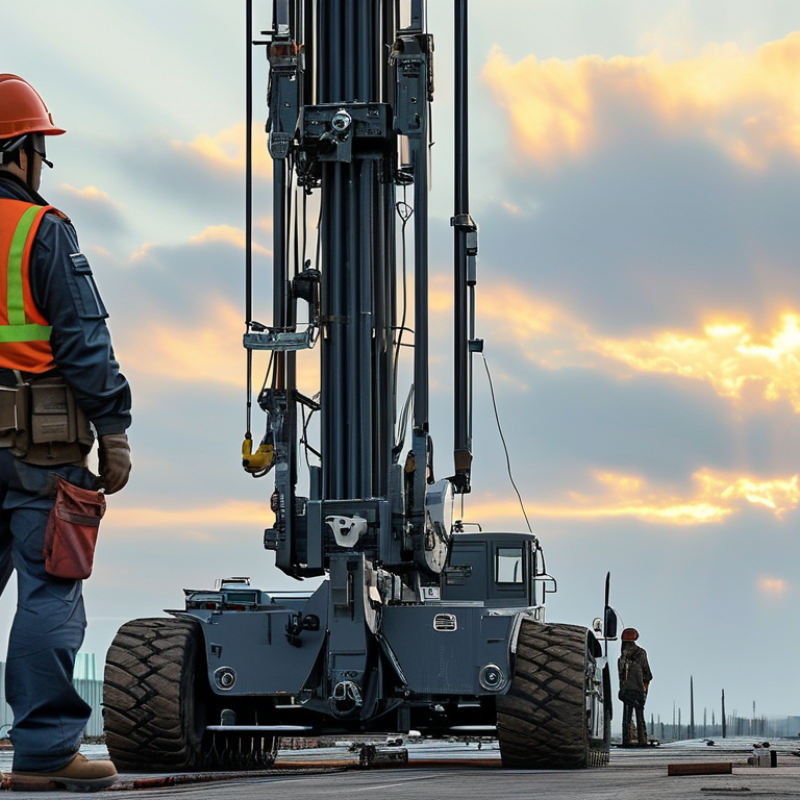
Mechanical telescopic masts have revolutionized various industries through their versatility. These masts can extend and retract easily, making them ideal for applications where height and stability are crucial. Commonly used in telecommunications, they support antennas and equipment at significant heights. This ensures better signal coverage in urban and rural areas alike.
Additionally, mechanical telescopic masts find applications in the surveillance sector. Security agencies utilize them to elevate cameras, ensuring a wide field of view. In the broadcasting industry, these masts assist in positioning cameras for live events or productions. Despite their advantages, challenges remain. The stability of these masts can be a concern in harsh weather conditions. Regular maintenance is essential to guarantee reliability and performance. With a thoughtful approach, these masts serve a variety of critical functions while prompting ongoing improvements in design and engineering.
When choosing a mechanical telescopic mast, several key features should be assessed. One significant factor is the height range. A typical mechanical telescopic mast can extend anywhere from 3 to 30 meters. Understanding your project's height requirements will help you select the right solution.
Another crucial consideration is the load capacity. High-quality masts often support loads ranging from 20 kg to over 300 kg. This parameter is vital when attaching cameras, antennas, or other equipment. A report by the International Association of Telescopic Structures states that nearly 40% of users have faced issues due to insufficient load ratings.
Durability should not be overlooked. Materials like aluminum and galvanized steel offer excellent resistance to harsh weather. A mast that can withstand wind speeds of 60 km/h is recommended for outdoor applications. However, not all models meet these standards. Reliable testing and certification are essential to ensure longevity and safety.
Finally, portability and ease of setup are often undervalued. Many users report difficulties in handling heavier models. Choosing a lighter option can improve efficiency on job sites. Also, consider adjustable mechanisms for quicker deployment. These features can significantly impact usability in the field, making them worth examining closely.
As the demand for mechanical telescopic masts grows, identifying top manufacturers is essential. These masts are crucial in various sectors, including telecommunications, military, and emergency services. They provide robust solutions for extending antennas and cameras at height, ensuring better signal and quality.
When selecting a manufacturer, consider their experience and expertise. A strong reputation often correlates with reliable products. Check for certifications and standards compliance, as quality assurance matters. Look for companies with a diverse portfolio, showcasing innovation in design and functionality. Field testing and customer feedback are valuable indicators of a manufacturer's reliability.
While many manufacturers offer competitive options, not all meet the rigorous demands of real-world applications. It’s important to assess customer service, support, and the availability of replacement parts. Some companies might fall short in providing timely assistance or comprehensive documentation. Therefore, do thorough research and reflect on specific needs before making a decision.
When exploring telescopic mast solutions, various factors come into play. Design, material, and height flexibility are critical. Strong, lightweight materials improve durability while keeping the overall weight low. Different applications require unique characteristics, such as rapid deployment for emergency situations or stability for communications.
It’s essential to consider the global market's diverse needs. Regional requirements can influence what features buyers prioritize. For example, some markets may favor robust systems for harsh environments. Others may need quicker setups for short-term events. Buyers should reflect on their specific applications and environments when choosing a solution.
Quality control and certification also play a significant role. A lack of regulation may lead to unreliable products. This market's evolution calls for continuous learning. As technology evolves, buyers must adapt to new innovations and trends. Understanding these elements fosters informed decision-making in selecting telescopic mast solutions.
| Mast Height (m) | Max Load (kg) | Material | Weight (kg) | Deployment Time (s) | Price Range ($) |
|---|---|---|---|---|---|
| 10 | 150 | Aluminum | 50 | 30 | 800-1200 |
| 12 | 200 | Steel | 60 | 40 | 1200-1600 |
| 15 | 250 | Composite | 75 | 50 | 1500-2000 |
| 18 | 300 | Aluminum | 90 | 60 | 1800-2200 |
| 20 | 350 | Steel | 100 | 70 | 2000-2500 |
The field of telescopic mast technology is evolving rapidly. Innovations are shaping how these structures are designed and used. Lightweight materials enhance portability and reduce energy consumption. Advanced locking mechanisms improve stability, ensuring safety in various applications. Some designs now integrate solar panels, allowing for remote operation without a power source.
Emerging trends focus on smart features. Real-time monitoring systems provide instant feedback on mast performance. Users can assess structural integrity and make adjustments as needed. However, the integration of technology can complicate operations. Users must be trained to handle these advanced systems. This highlights a potential gap in user readiness and the need for thorough training programs.
While innovation is crucial, there are also challenges to consider. The balance between strength and weight often leads to trade-offs in mast performance. Some users report that rapid advancements can result in short product life cycles. Companies should consider how to address customer concerns about longevity and reliability. Continuous feedback from users could guide future designs, ensuring they meet evolving needs.
We are here to help you with all your queries and concerns, just write to us using the below form and we will get back to you as soon as we can.