
In the evolving landscape of energy distribution, Transformer Substations play a crucial role. Experts predict that advancements in this sector will shape the future of sustainable energy solutions. Renowned engineer Dr. Emily Zhang once stated, "Efficient transformer substations are the backbone of reliable power distribution." Her insights highlight the significance of modern technology in this industry.
Global buyers face various options when sourcing Transformer Substation solutions. Each choice comes with unique challenges and benefits. Some suppliers offer cutting-edge technology, while others focus on cost-effectiveness. Buyers must navigate this complex market to find the best fit for their needs.
The importance of reliability cannot be overstated. As energy demands grow, efficient Transformer Substation designs are essential. Investing in quality solutions is non-negotiable. Buyers should reflect on their requirements and the long-term impacts of their decisions. The right choice can enhance energy efficiency and reduce operational costs.
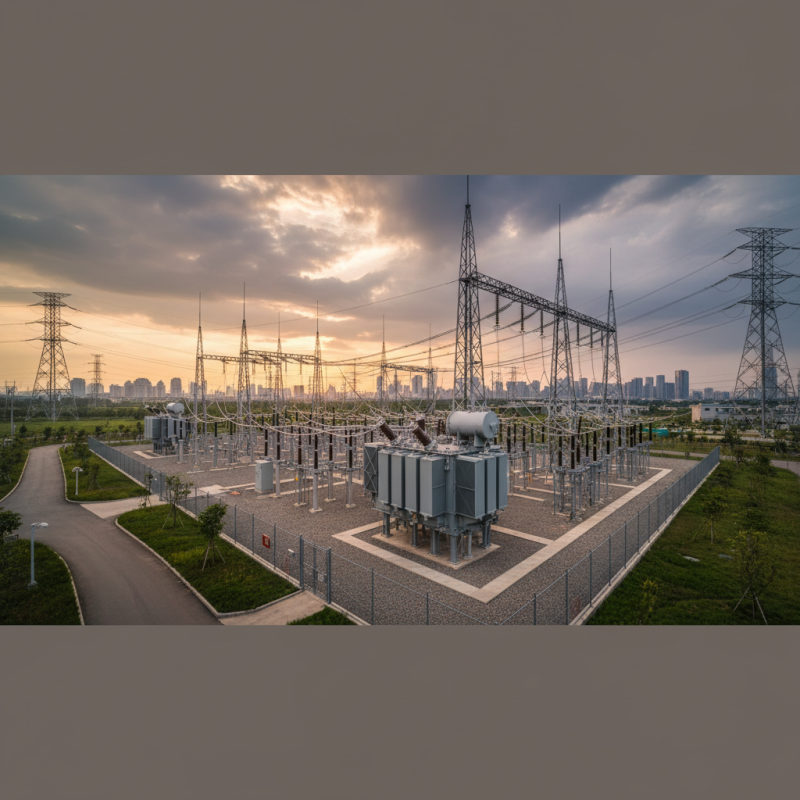
Transformer substations play a crucial role in modern electrical grids. They facilitate the efficient transmission and distribution of electricity. According to a report by the International Energy Agency, global electricity demand is expected to increase by 2.1% annually until 2040. This growth emphasizes the importance of robust transformer substations.
Transformers convert high-voltage energy from transmission lines to lower voltages for distribution. The choice of technology and design greatly influences the efficiency of energy transfer. Studies show that poorly designed transformers can waste up to 10% of energy, translating to significant financial losses over time. Additionally, regular maintenance is essential to prevent outages and costly repairs.
Tip: Incorporate smart technologies in substations to enhance monitoring and control. These technologies enable real-time data analysis, improving operational efficiency.
When selecting substations, consider factors such as location and environmental impact. Sustainability practices should be integrated into design and operation. Reports indicate that eco-friendly substations can reduce carbon emissions by up to 30%. This is vital as global efforts to mitigate climate change continue to escalate. Emphasizing sustainability is not just a trend; it is becoming a necessity in the industry.
When selecting a transformer substation, several key features are crucial for making an informed choice. One of these is capacity. A well-designed substation should meet both current and projected demands. Reports suggest that about 30% of substations are not equipped for future load increases. This can lead to inefficiencies and additional costs.
Another essential factor is the location. A substation’s site directly impacts its operational efficiency. Proximity to load centers reduces transmission losses and enhances reliability. Data indicates that strategically located substations experience up to 25% more effective power distribution. However, factors such as zoning laws and environmental concerns can complicate this process.
Also important is the technology used in the substation. Modern digital controls improve monitoring and responsive actions during faults. However, integrating these technologies can present challenges. Many facilities report difficulties in maintaining older equipment while trying to adopt new solutions. Such complexity illustrates the necessity for careful planning and assessment before installation. Each choice can have long-lasting implications on performance and safety.
Innovative technologies are revolutionizing transformer substations worldwide. According to a recent market analysis report, the global transformer market is projected to grow by 12.5% annually through 2028. Smart grid technology is leading this change, enhancing efficiency and reliability in power distribution.
Digital solutions, such as IoT sensors, allow for real-time monitoring and predictive maintenance. These advancements reduce downtime and optimize operational costs. Data from the Electric Power Research Institute indicates that implementing smart technologies can improve operational efficiency by up to 30%. However, integrating these systems is not without challenges. Legacy infrastructure can complicate the transition to smarter designs.
Tip: Investing in staff training is crucial when adopting new technologies. Employees must be equipped with the skills to manage and maintain these systems.
Another innovative development is the use of advanced cooling methods, like liquid cooling technology, which can enhance transformer performance. Reports suggest this can increase lifespan by 20%. Still, the initial installation costs can deter some utilities. Overcoming this hurdle requires careful planning and a clear long-term vision.
Tip: Conduct a cost-benefit analysis before implementing any new technology. This helps in making informed decisions that align with organizational goals.
The global market for transformer substations is evolving rapidly. Increasing energy demands drive the need for efficient, reliable solutions. Countries worldwide are investing in modern infrastructure to support renewable energy integration. This shift highlights the growing trend towards sustainable practices.
Urbanization is another significant factor influencing market trends. As cities expand, the demand for reliable electrical grids increases. Many regions face challenges in upgrading outdated systems. This creates an opportunity for innovative transformer substations that cater to evolving needs.
Moreover, the push for energy efficiency is reshaping buyer preferences. Companies seek solutions with lower operational costs and higher reliability. There is also a rising emphasis on smart technologies. These advancements provide real-time monitoring and management capabilities for substations. However, integrating new technology with existing systems can pose difficulties. It requires careful planning and execution to ensure success in this dynamic market.
When sourcing transformer substation equipment, it's crucial to understand best practices. Buyers should focus on matching specific needs with the right technologies. This involves assessing the technical specifications of the equipment. Look for components that offer durability and efficiency, as these can significantly affect performance.
Tip: Always verify the credentials of suppliers. A reliable supplier should have a proven track record in the industry. This ensures that you are investing in equipment that meets international standards.
Engaging with multiple suppliers can yield better insights and options. Seek feedback from projects similar to yours. This reflection may reveal that some equipment types are more suited to particular environments. It's essential to remain open-minded about different solutions.
Tip: Document your requirements clearly before reaching out. This will help in eliminating options that don’t align with your objectives. A well-defined scope can prevent misunderstandings and future complications.
We are here to help you with all your queries and concerns, just write to us using the below form and we will get back to you as soon as we can.