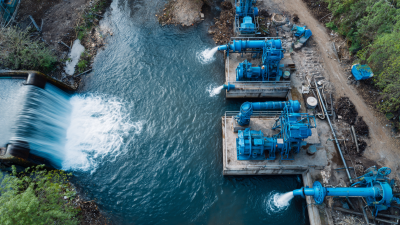
What is the Best Water Pump for Efficient Water Supply and Usage
When it comes to ensuring a reliable and efficient water supply,
selecting the right water pump is crucial.
A water pump is an essential device that moves water from one place to another, playing a pivotal role
in various applications such as irrigation,
household use, and industrial processes. The efficiency of a water pump can significantly impact
water conservation, energy consumption, and overall operational costs. Therefore, understanding
the different types of water pumps, their specific applications, and the factors influencing their
performance is vital for making informed choices.
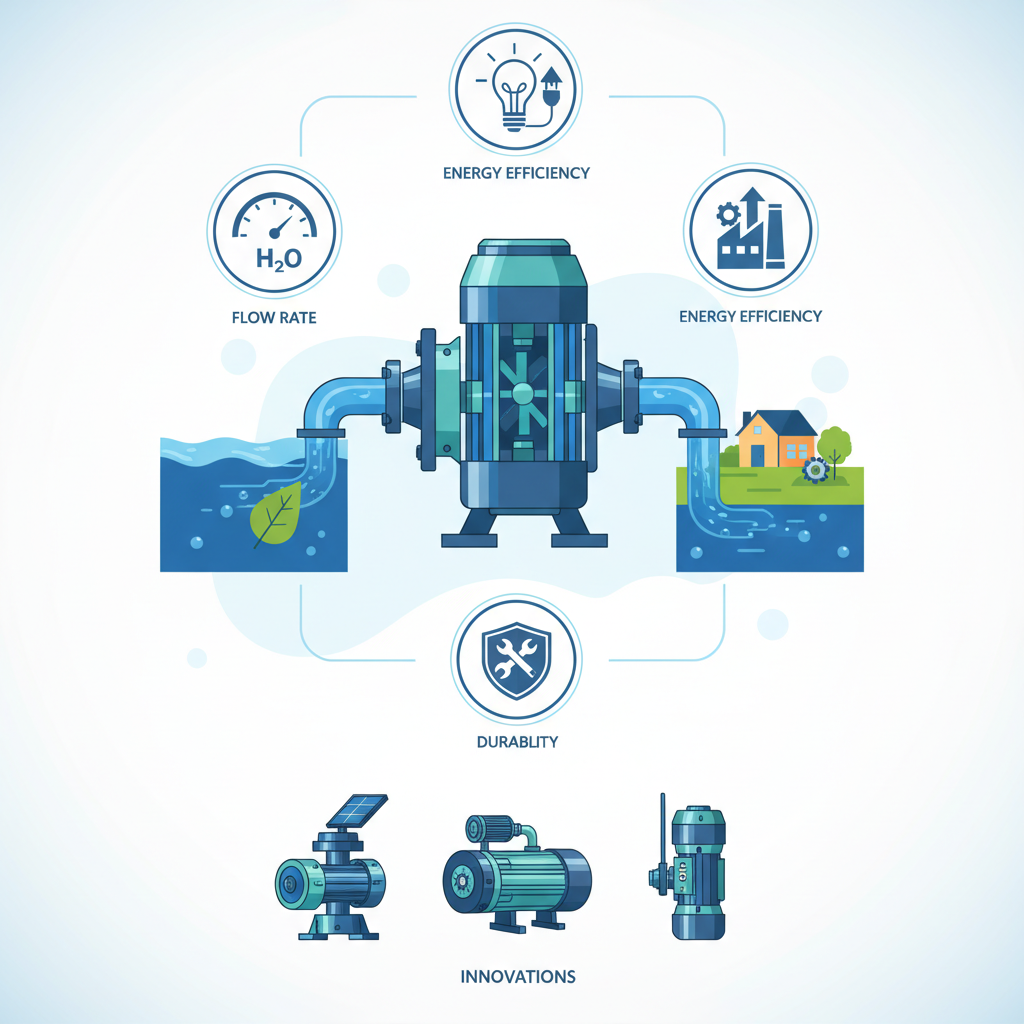
In this exploration of water pumps, we will delve into what constitutes the best water pump for both
efficient water supply and usage. Factors such as
flow rate, energy efficiency, and
durability will be scrutinized to provide clarity on how these elements contribute to optimal performance.
Additionally, we will highlight popular models and innovations in water pump technology that enhance efficiency,
thereby maximizing the utility of water with pump systems. By the end, readers will gain valuable insights
into selecting a water pump that not only meets their immediate needs but also supports sustainable
water management practices.
Understanding the Basics of Water Pumps and Their Types
Understanding the basics of water pumps is essential for selecting the right one for efficient water supply and usage. Water pumps can be categorized into various types, including centrifugal pumps and positive displacement pumps, each serving different applications. In North America, the centrifugal pump market is projected to grow from $3.94 billion in 2025 to $4.74 billion by 2032, reflecting a steady annual growth rate of 2.69%. This growth highlights the increasing demand for reliable water supply solutions across various sectors.
Additionally, the double suction pump market is expanding significantly, with projections indicating robust growth across multiple applications such as power generation, water and wastewater treatment, and agriculture. These pumps, typically made from materials like cast iron, steel, and polymers, cater to specific operational needs. The global industrial pump market is forecasted to escalate from $70.45 billion in 2024 to $105.15 billion by 2032, further emphasizing the critical role of pumps in industrial applications and the overall water management landscape.
Factors to Consider When Choosing a Water Pump
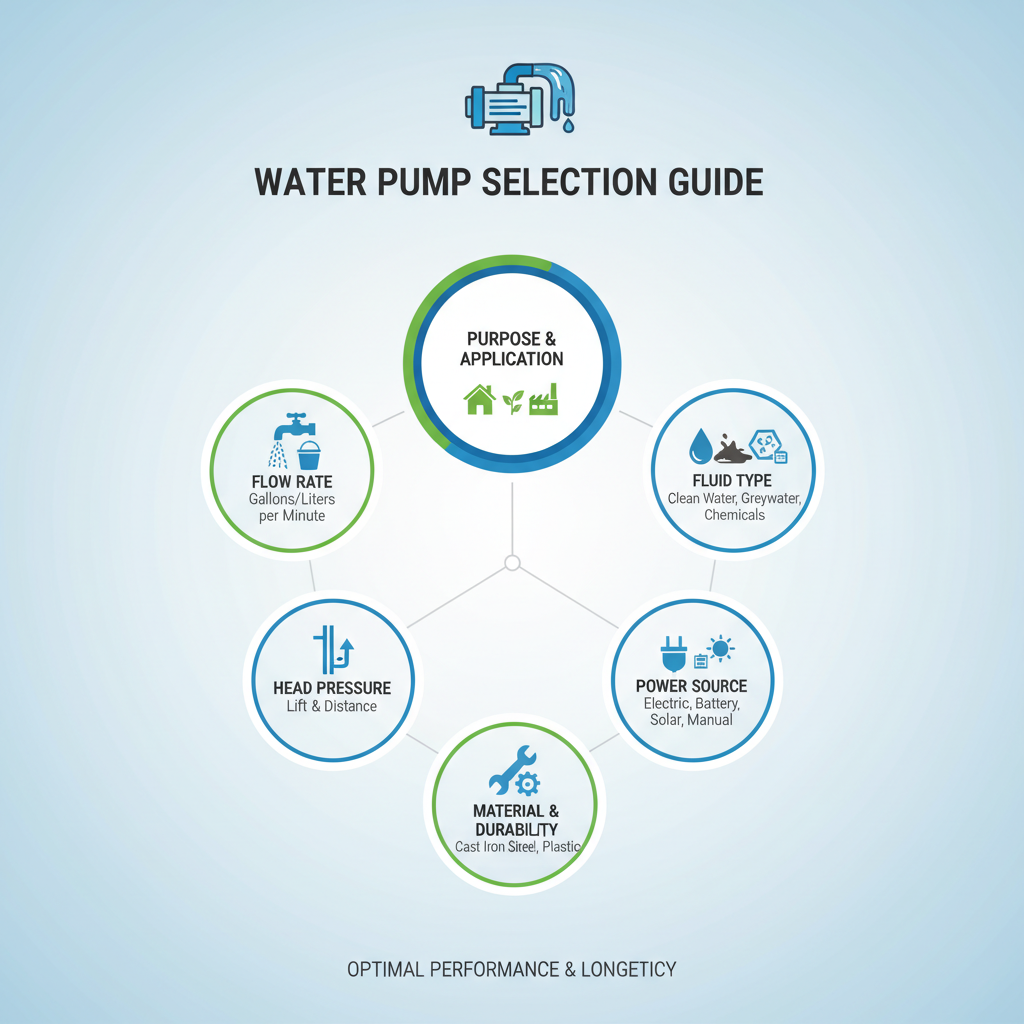
When choosing a water pump for efficient water supply and usage, several critical factors must be considered to ensure optimal performance and longevity. First, it’s essential to evaluate the pump's purpose and application, whether it's for residential use, irrigation, or industrial purposes. Understanding the specific requirements, such as flow rate, head pressure, and the type of fluid being pumped, can significantly influence the decision.
Another important consideration is the energy efficiency of the water pump. With the household water pump market projected to grow from $18.58 billion in 2024 to $26.92 billion by 2032, an increasing emphasis is placed on selecting pumps that not only meet performance requirements but also minimize energy consumption. Additionally, durability and maintenance needs should be factored in; opting for pumps made with high-quality materials can reduce long-term costs and ensure reliable operation.
By focusing on these factors, consumers can make informed decisions that enhance efficiency while contributing to sustainability goals.
Top Features of Efficient Water Pumps for Supply and Usage
When selecting an efficient water pump for both supply and usage, understanding the top features is essential. Look for pumps that offer versatility in application, such as transfer pumps, submersible pumps, and dewatering pumps. These types cater to various needs, whether for irrigation, drainage, or general water transfer. A pump with a higher flow rate and reliable pressure performance can significantly enhance your water management capabilities, making tasks faster and easier.
Tips: Always consider the pump's energy efficiency, as it can lead to significant cost savings over time. Look for models equipped with automatic shut-off features for added safety and convenience. Regular maintenance is also crucial; ensure that filters and impellers are checked periodically to maintain optimal performance.
In agricultural settings, the choice of water pump can directly impact productivity. Pumps powered by renewable energy sources, such as solar, are becoming increasingly popular, offering an eco-friendly alternative to traditional fuel-based systems. Implementing the right pump can help conserve water while ensuring that your crops receive the necessary irrigation.
Comparison of Leading Water Pump Brands and Models
When it comes to efficient water supply and usage, choosing the right water pump is crucial. In the market, several leading brands offer a variety of models catering to different needs. Brands like Grundfos, Zoeller, and Goulds are well-known for their reliability and performance. Grundfos pumps are often praised for their energy efficiency and advanced technology, which makes them suitable for both residential and commercial applications. On the other hand, Zoeller is renowned for its submersible pumps that excel in dewatering situations, offering robust construction and excellent durability.
Another notable contender is Goulds, which provides a diverse range of water pumps designed for various applications, from irrigation to industrial use. Their pumps are typically characterized by strong build quality and good customer service support. When comparing these brands and models, it’s essential to consider specific features like flow rate, head pressure, and energy consumption to find the best fit for your water supply needs. Evaluating these factors can greatly enhance water efficiency and overall utility performance.
What is the Best Water Pump for Efficient Water Supply and Usage - Comparison of Leading Water Pump Brands and Models
| Model |
Flow Rate (GPM) |
horsepower (HP) |
Max Head (ft) |
Weight (lbs) |
Price ($) |
Energy Efficiency Rating |
| Model A |
30 |
1.5 |
120 |
50 |
250 |
A+ |
| Model B |
25 |
1.0 |
100 |
45 |
180 |
A |
| Model C |
40 |
2.0 |
130 |
60 |
320 |
A++ |
| Model D |
35 |
1.5 |
110 |
55 |
290 |
A |
Maintenance Tips for Optimal Water Pump Performance
When it comes to maintaining optimal performance in water pumps, understanding the critical aspects of maintenance is essential. Regular maintenance not only prolongs the lifespan of your pump but also ensures it operates efficiently. One key tip is to frequently check for signs of wear and tear, such as unusual noise or vibrations, which can indicate potential issues. Additionally, it is important to keep the pump clean and free of debris to prevent blockages that can hinder performance.
In the context of advanced technologies like IoT and Industry 4.0, implementing condition-based maintenance strategies can greatly enhance pump efficiency. These technologies enable real-time monitoring of pump performance, allowing for timely interventions that can prevent major failures. Moreover, following a structured maintenance schedule that includes routine inspections, cleaning of components, and checking fluid levels can significantly improve the longevity and reliability of your water pump. By prioritizing these maintenance practices, users can ensure that their pumps not only meet their water supply needs but also contribute to sustainable usage.
Water Pump Efficiency Comparison
This chart illustrates the efficiency ratings of various types of water pumps based on their flow rates and power consumption. A higher efficiency rating indicates a better performance in terms of water supply and usage.