Best Water Pumps for Efficient Water Management Solutions?

Efficient water management is crucial for both environmental sustainability and economic growth. The global market for water pumps is expected to reach nearly $45 billion by 2026, according to a recent industry report. This highlights the increasing demand for effective water and pumps solutions in various sectors, including agriculture, construction, and municipal services.

“We are entering an era where efficient water management is no longer optional; it’s essential," says Dr. Emily Sanders, a leading expert in hydraulic engineering. Her insights underline the importance of investing in technology that optimizes water distribution and minimizes waste. As water scarcity issues escalate worldwide, adopting efficient pumping systems becomes a key strategy for conservation.

Moreover, many industries struggle with outdated systems that fail to deliver optimal performance. Investing in high-quality water pumps can mitigate such challenges and ensure reliable water supply. Effective water management requires innovation and a commitment to sustainable practices in the water and pumps sector. As we delve into the best solutions available, it’s important to reflect on our current methods and strive for continuous improvement.
Best Water Pumps for Efficient Water Management Solutions?

Overview of Water Pumps and Their Importance in Water Management

Water pumps play a crucial role in efficient water management solutions. They are essential for various applications, such as irrigation, drainage, and water supply. Understanding the different types of pumps helps in selecting the right one for your needs.

When choosing a water pump, consider its efficiency and lifecycle. A higher efficiency pump can save energy and reduce costs in the long run. Ensure the pump can handle the specific flow rates and head heights required for your application. It's important to calculate these parameters accurately to avoid inefficiencies.

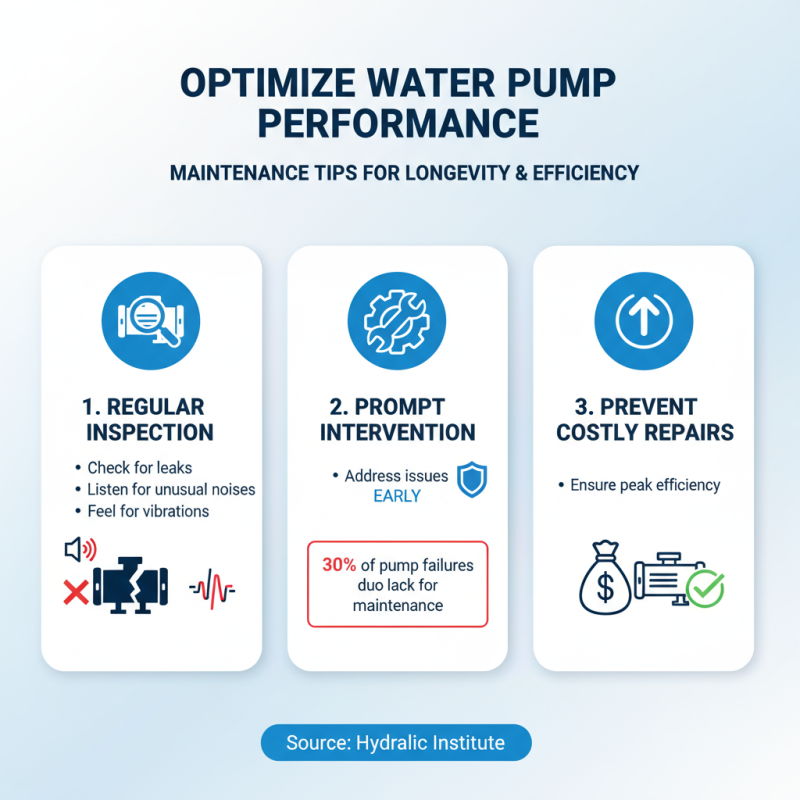
Tips: Regular maintenance is key. A well-maintained pump operates efficiently and lasts longer. Check for leaks, listen for unusual sounds, and monitor performance regularly. Investing in reliable pumps and upkeep can prevent costly breakdowns.

Additionally, familiarize yourself with pump installation requirements. Poor installation can lead to performance issues and even damage. It’s crucial to follow guidelines to ensure optimal operation. Each setup may require specific adjustments. Reflect on past experiences and learn from mistakes to improve future setups.

Types of Water Pumps and Their Applications in Various Settings

Best Water Pumps for Efficient Water Management Solutions?

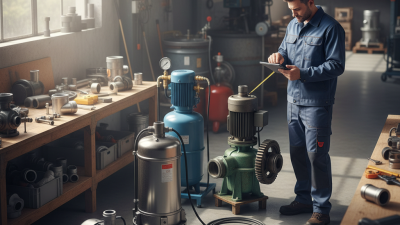
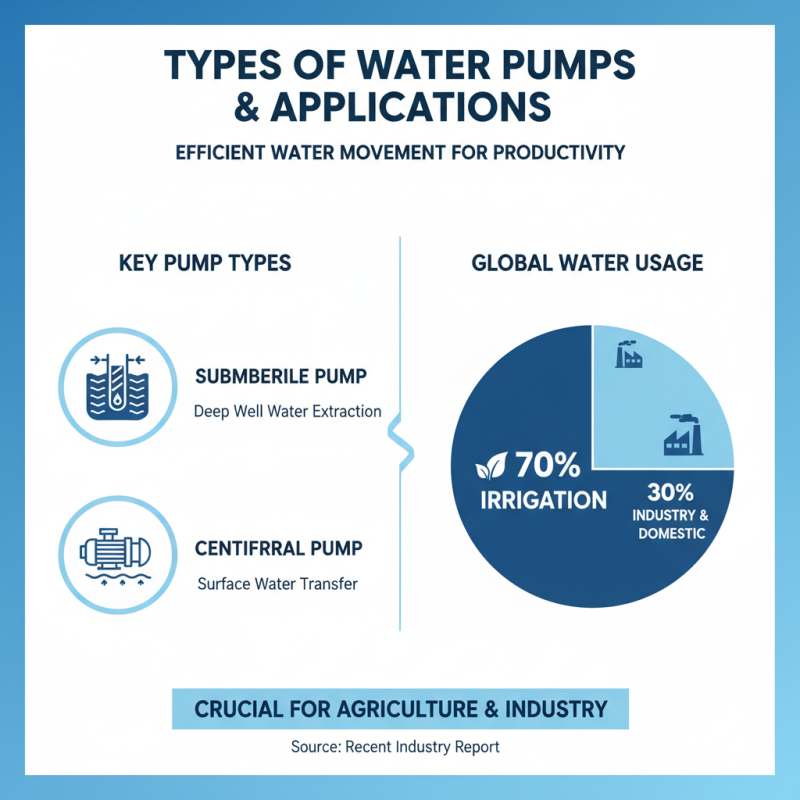
Water pumps play a crucial role in various settings, from agriculture to industrial applications. They ensure the efficient movement of water, which is vital for productivity. According to a recent industry report, 70% of global water usage is for irrigation. Submersible pumps are ideal for deep well extraction, while centrifugal pumps are often used for surface water transfer. These pumps are efficient and have been widely adopted across sectors.

In residential settings, pressure pumps are essential for maintaining water flow. They boost water pressure for household use, particularly in areas with low pressure. A survey indicated that inadequate water pressure affects 40% of households. While many consumers rely heavily on these pumps, maintenance is often overlooked. Neglect can lead to reduced efficiency or pump failure, resulting in unexpected costs.

Selecting the right pump depends on specific needs. Factors like flow rate and application setting are vital. For instance, drainage pumps are crucial in flood-prone areas, while boost pumps support high-demand situations. Data shows that improper selection can decrease performance by up to 30%. Understanding the different types of water pumps aids in making informed choices, ultimately enhancing water management.

Key Features to Consider When Choosing Water Pumps for Efficiency

When selecting water pumps for efficient water management, several key features should guide your decision. One crucial aspect is the pump's flow rate. This indicates how much water it can move per minute. A higher flow rate can be beneficial for large irrigation systems and extensive drainage projects. However, it's important to match the flow rate with the specific needs of your application. Over-pumping can lead to waste and environmental issues.

Efficiency is also tied to the pump's horsepower. Choosing a pump with the right horsepower ensures it operates effectively under your expected load. Too little power can result in overworking the pump, causing early wear and tear. Conversely, excessive horsepower can lead to unnecessary energy consumption. Carefully assess your needs before making a choice.

Tips: Always check the pump's energy efficiency rating. A high rating can translate to lower operational costs. Additionally, consider the materials used in the pump's construction. Durable materials can extend the pump's lifespan, but they may increase initial costs. It's worth analyzing these factors to avoid potential setbacks or frequent repairs. Understanding these key features helps in making informed decisions, ultimately leading to an efficient water management system.

Maintenance Tips for Optimizing Water Pump Performance

Best Water Pumps for Efficient Water Management Solutions?

Maintaining water pumps is essential for optimal performance and longevity. Regular inspection plays a crucial role. Check for leaks, unusual noises, or vibrations. These issues often indicate potential failure. According to the Hydraulic Institute, nearly 30% of pumps fail due to lack of maintenance. Timely interventions can prevent costly repairs.

Proper lubrication is vital. Use the recommended lubricants for each component. This simple step can enhance efficiency and reduce wear. The National Renewable Energy Laboratory reports that properly maintained systems can improve energy efficiency by 15%. Regular filter and strainer cleaning also ensures that water flows freely, reducing strain on the pump.

Temperature monitoring is another critical aspect. Pumps running at high temperatures can suffer from premature wear. Ensure the operating temperature remains within the specified range. Lastly, consider implementing a predictive maintenance schedule. This approach can increase reliability and efficiency. It involves analyzing performance data to preemptively address issues. With the right strategies, achieving efficient water management becomes more feasible. Regular maintenance not only extends the life of equipment but also supports sustainable practices in water management.

Innovative Technologies Enhancing Water Pump Efficiency in the Market

Innovative technologies are transforming water pump efficiency, addressing critical needs in water management. Energy-efficient designs are now standard. These pumps significantly reduce energy consumption while maintaining high performance levels. Smart sensors can detect changes in water flow, allowing for real-time adjustments. This feature minimizes waste, ensuring optimal operation under varying conditions.


Variable frequency drives (VFDs) are gaining traction in the market. They allow pumps to adjust speed based on demand. This technology not only cuts down energy usage but also extends the lifespan of pumps. However, VFD integration requires proper training to avoid operational issues. It reflects a broader trend towards automation in water management systems.


There remain challenges in adopting these technologies universally. Some users hesitate due to initial costs or lack of understanding. Additionally, not every installation suits advanced technology. Regular maintenance remains essential for efficiency. Users must be aware of how innovations interact with existing setups. Adopting new technologies demands careful planning and ongoing evaluation.

Our dedicated sales and support staff are here to help you identify the ideal pump solution for your needs.

Contact Us