In the evolving landscape of water management, selecting a reliable water service pump is crucial. Industry reports highlight that the global water pump market is projected to reach $45 billion by 2026, reflecting a significant demand for efficient pumps. A water service pump plays a vital role in various sectors, from residential to industrial applications.
Many pumps fail to deliver optimal performance due to lack of maintenance or poor selection. As noted in recent studies, nearly 30% of water pumps underperform, leading to increased costs and inefficiencies. Factors such as energy consumption and equipment longevity must be considered. It's essential to evaluate each pump’s efficiency ratings and installation requirements thoroughly.
While many manufacturers claim excellence, purchasing a water service pump requires careful research. Not all pumps are created equal, and overlooking specifications could result in regrettable purchases. Even leading brands have products that may fall short. The right choice can enhance system reliability and reduce overall expenses. Understanding these nuances ensures the selection of a superior water service pump that meets specific needs.
Water service pumps play a crucial role in ensuring reliable water supply. They are essential for residential, agricultural, and industrial systems. According to recent industry data, the global water pump market is projected to reach $82.5 billion by 2026. This growth highlights the increasing reliance on efficient water management.
In many areas, outdated pumping systems lead to significant water loss. Reports indicate that almost 30% of treated water is wasted due to leaks and inefficiencies. This emphasizes the need for modern, high-performance water pumps. Selecting the right pump can greatly reduce operational costs and improve sustainability. Poor choices can result in high energy bills and maintenance headaches.
However, not all pumps meet the required standards. Many consumers face confusion when choosing new systems. The lack of proper information can lead to costly mistakes. Studies show users often overlook energy efficiency ratings. This oversight can complicate long-term savings. The challenge lies in balancing cost with quality for optimal water delivery.

Choosing the right water service pump is crucial for dependable performance. When considering options, focus on key features that will suit your needs. Flow rate matters significantly. A pump that handles your required flow efficiently can save you time and energy. Look for pumps with adjustable flow settings. This flexibility can cater to various tasks.
Another feature to reflect on is durability. Materials used in the pump construction influence longevity. Pumps made from high-quality, corrosion-resistant materials typically last longer. Check for warranties that guarantee quality. Installation ease is another consideration. You want a pump that is straightforward to set up. Complicated installations can lead to mistakes and additional costs.
Lastly, energy efficiency needs attention. An efficient pump saves money on utility bills. Pumps with a good energy rating are worth the investment. Pay attention to noise levels as well. Some pumps operate quietly while others can be quite loud. Choose one that fits your comfort level. These factors can greatly affect your experience.
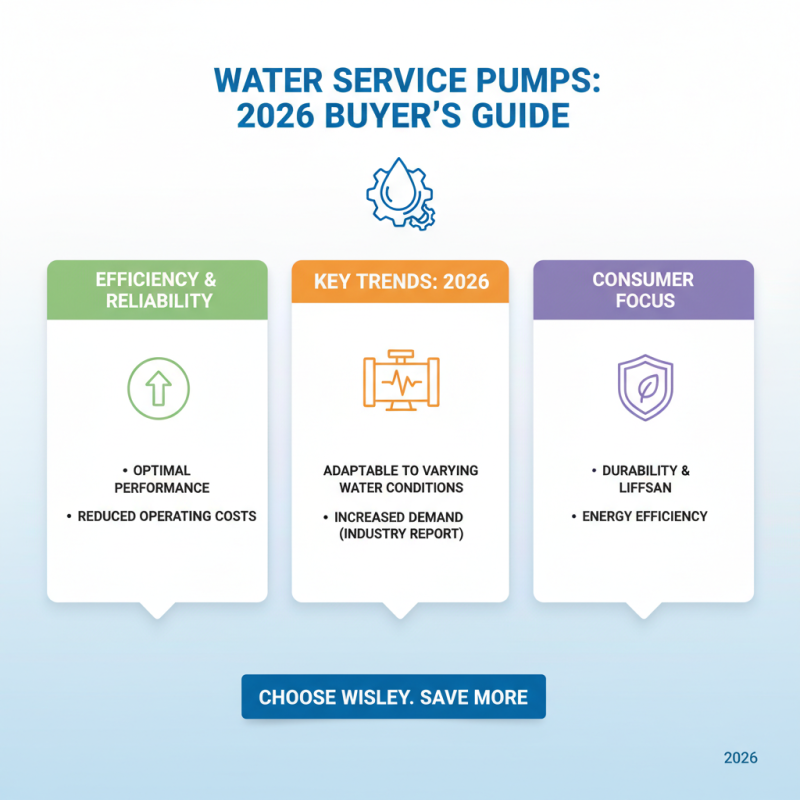
Choosing the right water service pump ensures efficiency and reliability. In 2026, numerous options are available. A recent industry report shows a growing demand for pumps capable of handling varying water conditions. Many consumers focus on durability and energy efficiency. These factors significantly influence operational costs.
Consider the flow rate and the maximum lift of each pump. A study indicated that pumps with a higher flow rate of 500 to 1,500 gallons per hour are preferred. However, some units struggle to maintain optimal performance under continuous use. Maintenance issues can sometimes go unnoticed, leading to decreased efficiency over time.
Moreover, noise levels are often a concern. Many users reported dissatisfaction with the sound generated by certain models. It's essential to evaluate not only the specifications but also the real-world performance and user feedback. This insight reveals shortcomings that might not be evident in technical reviews. Making informed choices can enhance your overall experience with water service pumps.
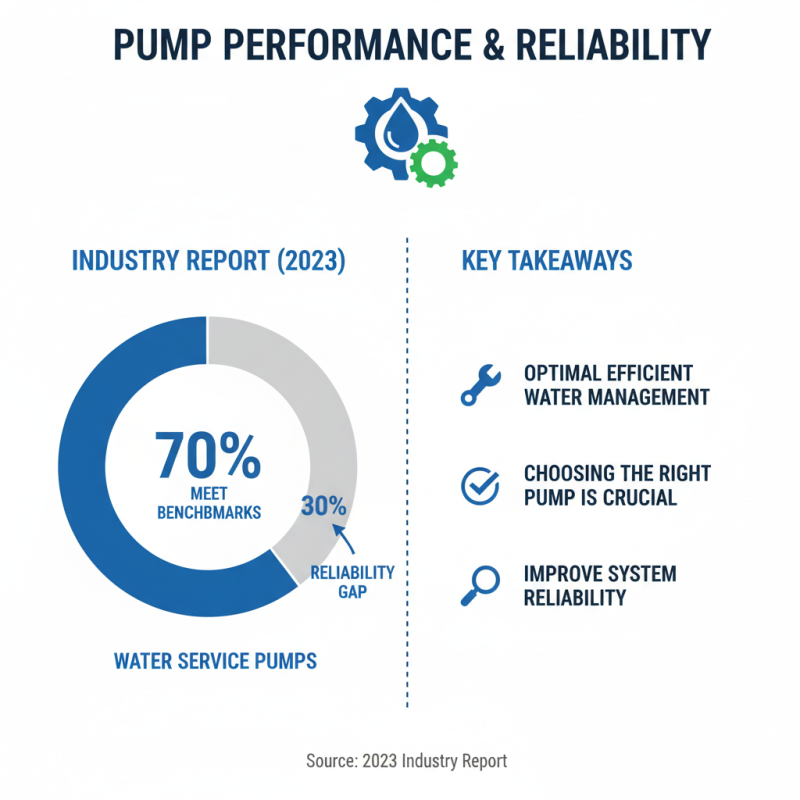
When assessing pump performance and reliability, several key factors emerge. A 2023 industry report highlights that only 70% of water service pumps meet performance benchmarks. This indicates a considerable gap in reliability. Choosing the right pump is crucial for efficient water management.
Performance metrics vary significantly between models. For instance, pumps rated for continuous operation often exhibit decreased efficiency over time. According to comparative studies, efficiency can drop by 15% within five years. This has serious implications for operational costs and user satisfaction. Regular maintenance, though essential, is often overlooked.
Reliability is influenced by material quality and design. Pumps made from corrosion-resistant materials tend to last longer. In contrast, cheaper alternatives may fail prematurely, leading to unexpected downtime. Many operators underestimate the cost of such interruptions. Transparent performance data can greatly help in making informed decisions about pump selection.
Proper maintenance of water service pumps is crucial for their longevity and efficiency. Regular checks help prevent issues that can disrupt water supply. Start by inspecting the pump for any visible wear. Look for leaks or corrosion. These signs can indicate impending failures. Addressing these smaller issues promptly can save you from larger, costlier problems.
Cleaning is another essential maintenance task. Debris can accumulate in screens and filters. This buildup reduces efficiency and can lead to pump burnout. Schedule routine cleanings to ensure optimal operation. Don't forget about lubricating moving parts. Neglecting this can lead to friction and overheating. However, over-lubricating can also cause issues, so moderation is key.
Monitor performance regularly. Keep an eye on the pressure and flow rate. Any sudden changes can be red flags. Documenting these changes can provide insights into underlying issues. Learn from small mistakes. Small leaks ignored can become major failures later. Always remain vigilant. After all, each pump is an investment in your water system. Taking the time for proper care pays off significantly.
This bar chart displays the estimated performance scores of the top 10 water service pumps based on reliability and efficiency metrics. The scores range from 0 to 100, showcasing the best options available for optimal performance in 2026.
We are here to help you with all your queries and concerns, just write to us using the below form and we will get back to you as soon as we can.