
As we look ahead to 2026, the landscape of Workout Equipment continues to evolve. Industry expert John Smith, a fitness technology consultant, suggests, “The right equipment can transform your home workouts into a top-notch gym experience.” This statement underscores the importance of investing in quality workout equipment tailored to our individual needs.
Every year, new innovations promise to make exercise more effective and enjoyable. The rise of smart technology, eco-friendly materials, and user-friendly designs is shaping consumer preferences. However, with so many options, choosing the right gear can be overwhelming. Not every piece of equipment fits all fitness levels or goals.
There’s also a growing awareness about sustainability and health. Many consumers wish to support brands that prioritize eco-conscious practices. Yet, one must reflect on which products genuinely deliver results versus those that merely ride trends. In this evolving market, discerning choices can lead to a more fulfilling workout journey.
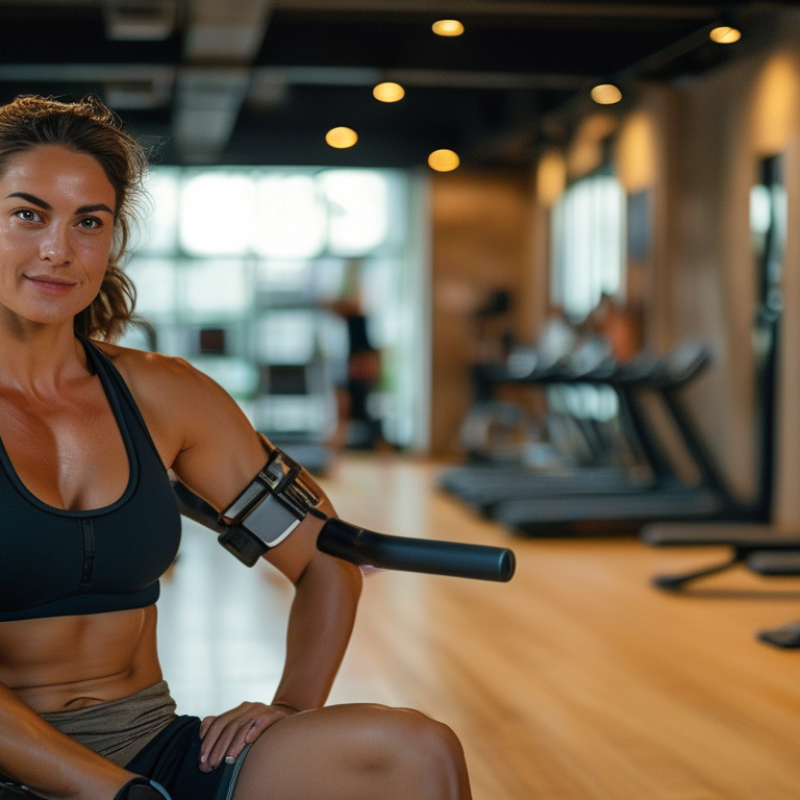
Choosing workout equipment for 2026 requires thoughtful consideration. Focus on features that enhance your training experience. Adjustable weights provide versatility. They allow for a range of exercises without taking up extra space. For many, space-saving designs matter. You may have limited room. Compact equipment can deliver full body workouts effectively.
Smart technology integration is another vital aspect. Fitness trackers in machines are becoming standard. They help you monitor progress. Displaying real-time metrics can boost motivation. Moreover, user-friendly interfaces enhance accessibility. Everyone, from beginners to experts, can benefit from this.
Don’t underestimate durability. Equipment should withstand daily use. Materials like steel and high-density plastics can ensure longevity. A warranty can also signal trusted quality. While cost is a factor, investing in reliable gear often pays off. Reflect on your specific needs. What works for one person may not work for another. Personalization in equipment choice is key.
As we look ahead to 2026, smart technology continues to revolutionize workout equipment. Devices with integrated coaching features can tailor workouts to individual needs. This personal touch enhances motivation and efficiency. Wearable tech is becoming more sophisticated, tracking metrics like heart rate and recovery time. Data-driven insights help users make informed decisions about their fitness.
When considering fitness gear, focus on quality over quantity. Invest in versatile equipment that supports various workouts. Some innovative pieces, like multi-functional weights or smart resistance bands, can adapt to your progress. They ensure that workouts remain challenging and engaging.
Tips: Always evaluate your fitness goals before buying new equipment. Ask yourself, “Will this fit my routine?” Also, consider how easily a device integrates into your space. Clutter can make a workout feel daunting. Embrace the technology that resonates with your fitness journey, but don't lose sight of the fundamentals. Remember, even the best gadgets are only as effective as your commitment.
When considering budget-friendly workout equipment for different fitness levels, first focus on what you need. A recent report by the International Health, Racquet & Sportsclub Association noted that nearly 79% of people prefer working out at home due to convenience and cost-effectiveness. Affordable resistance bands and dumbbells can provide a solid workout for strength training without straining your budget.
Taking tips from fitness experts, start with items that cater to multiple workouts. For beginners, stability balls can enhance core strength and flexibility. A set of adjustable weights is also ideal, allowing for progress as strength increases. According to The American Council on Exercise, incorporating varied resistance levels can significantly improve workout adherence and results.
Remember, it’s important to reflect on your fitness goals. If you buy equipment but don’t use it regularly, it may lead to frustration. Aim for the essentials that will keep you engaged. Workout mats can be beneficial for diverse exercises like yoga and stretching. Make your selections based on your preferences and what will motivate you to stay active.
This chart displays a comparison of various types of budget-friendly workout equipment suitable for different fitness levels. It includes options such as resistance bands, dumbbells, kettlebells, yoga mats, and jump ropes.
Creating an effective home gym requires clever use of space and multifunctional equipment. According to the Global Fitness Market Report, home fitness grew by 30% in the past two years, highlighting a growing trend. In 2026, adaptable equipment will become essential. Foldable benches, adjustable dumbbells, and resistance bands can fit easily into tight areas. These tools maximize workout options while occupying minimal space.
Tips: Consider wall-mounted storage for weights. It saves floor space and keeps your setup organized. Use a resistance band for a full-body workout. It’s versatile and perfect for various fitness levels.
Moreover, investing in high-quality mats can boost your home gym experience. They offer comfort for floor exercises. Data shows that 60% of users report a more satisfying workout environment with proper flooring. However, selecting the wrong thickness may lead to discomfort during workouts. Test different types before committing.
Tips: Look for mats that are easy to clean. This will save time and maintain hygiene. Evaluate your routine regularly. Changing workouts can keep motivation high.
As health-conscious consumers increasingly prioritize sustainability, the demand for eco-friendly workout gear is on the rise. A recent report indicates that approximately 50% of fitness enthusiasts are now willing to pay more for sustainable products. This shift reflects a growing awareness of the environmental impact of traditional workout equipment.
Yoga mats made from natural rubber and resistant to wear exemplify this trend. In addition, apparel crafted from recycled materials has become popular. Innovative brands are striving to minimize waste by upcycling fabrics. Some reports show that the sports apparel market made with sustainable materials is projected to grow by over 15% annually through 2026. These choices allow consumers to support eco-friendly practices while engaging in their fitness routines.
However, not all eco-friendly options are created equal. Many consumers face confusion regarding the true sustainability of various products. While one brand may label its gear as eco-friendly, the materials used might still have environmental impacts. Researchers emphasize the need for transparency in sourcing and production. Buyers must educate themselves, seeking certifications that ensure genuine sustainability. Striking a balance between fitness goals and environmental responsibility remains a challenge.
We are here to help you with all your queries and concerns, just write to us using the below form and we will get back to you as soon as we can.