
The Ccs Charge Port is a vital component of electric vehicle (EV) charging infrastructure. It serves as the connector that links the EV to the charging station. As the market for electric vehicles grows, efficient charging solutions become increasingly important. The Ccs Charge Port is recognized for its functionality and standardization across many EV models. This enhances user experience and simplifies charging processes.
Understanding the significance of the Ccs Charge Port goes beyond just knowing its purpose. It embodies a commitment to innovation in sustainable transportation. With advancements in technology, the Ccs Charge Port allows for faster charging times and broader compatibility. This ensures that drivers can rely on quick, efficient charging options while on the road.
However, challenges remain. Not all charging stations are equipped with Ccs Charge Ports. This inconsistency can lead to confusion and inconvenience for drivers. Moreover, as technology evolves, maintaining standardization across different vehicles and manufacturers is critical. Addressing these challenges will further streamline the transition to electric mobility.
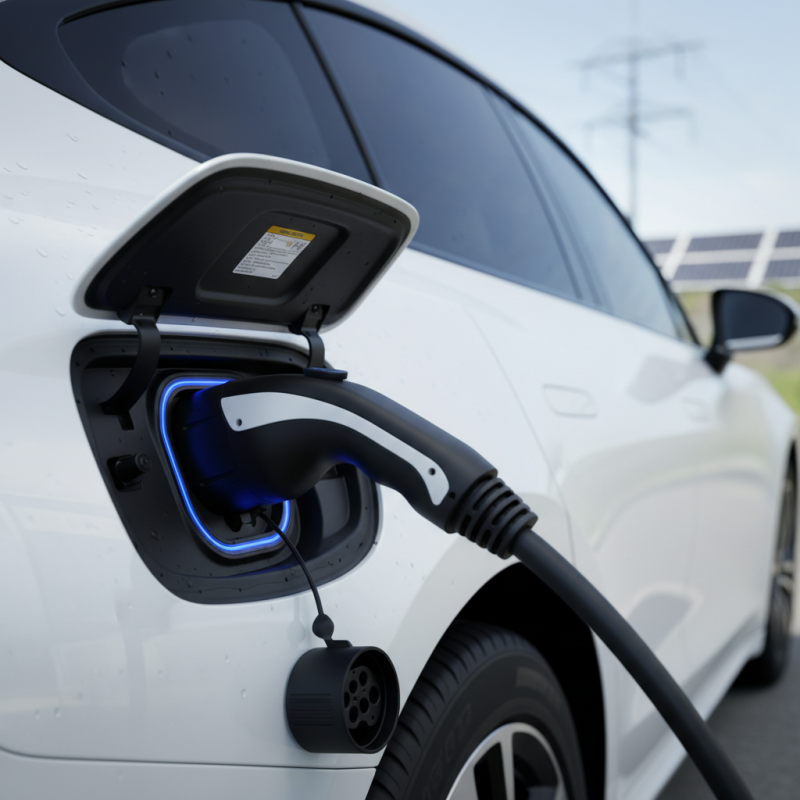
CCS charging technology is a significant advancement in electric vehicle (EV) charging. The Combined Charging System (CCS) allows for fast charging, enhancing convenience for EV owners. This technology combines AC and DC charging in one port, enabling users to charge their vehicles at a wide range of stations. In less than 30 minutes, many CCS-compatible EVs can achieve an 80% charge, a critical feature for long journeys.
CCS charging supports both urban and highway infrastructure. Operators can install CCS chargers in various locations, promoting accessibility. However, the availability of charging stations can be unevenly distributed. Some areas may benefit from a robust network while others lack sufficient access. This disparity raises questions about the fairness of EV infrastructure development. Moreover, compatibility concerns arise, as not all EVs support the CCS standard.
The importance of CCS technology extends beyond convenience. It addresses the demand for sustainable transportation solutions. This advancement could help reduce greenhouse gas emissions and reliance on fossil fuels. Ensuring a reliable network of CCS chargers is vital for the transition to electric mobility. However, ongoing discussions surround charger compatibility and accessibility, fostering a need for continuous improvement and innovation.
A CCS (Combined Charging System) charge port is vital for electric vehicles (EVs). It allows for fast charging and ensures compatibility with various charging stations. The components of a CCS charge port include a physical connector, communication protocols, and power electronics.
The physical connector is essential. It features two types of plugs: Type 1 for North America and Type 2 for Europe. These connectors are designed to handle high voltage and current levels, ensuring efficient power transfer. Proper sealing and rugged construction are crucial. Reports indicate that robust designs can prevent damage from environmental factors, enhancing reliability.
Communication protocols like PLC (Power Line Communication) are integral. They facilitate interaction between the EV and charging station, ensuring safe and efficient charging. Effective data exchange enhances charging speed and optimizes energy delivery.
Tip: When using a CCS charge port, ensure the connector is clean. Dirt can cause disruptions in the charging process.
Another important aspect is power electronics, which manage the flow of electricity. These components regulate voltage levels and minimize energy losses. Research shows that advanced power electronics can improve charging efficiency by up to 30%.
Tip: Check the specifications of your EV. Not all models support rapid charging, which can affect your travel plans.
Understanding these components helps EV owners make informed decisions. The CCS charge port plays a significant role in the future of electric mobility.
CCS (Combined Charging System) charge ports are pivotal in the world of electric vehicles (EVs). They facilitate fast charging, which is essential for long-distance travel. With CCS ports, drivers can recharge their vehicles quickly during long trips. This can significantly reduce downtime, making EVs more convenient for everyday use.
The benefits of CCS charge ports extend beyond speed. They provide compatibility with various EV models. This universality encourages a broader adoption of electric vehicles. Owners can enjoy a seamless charging experience across different locations. CCS also supports both AC and DC charging, which adds versatility for users. However, the infrastructure remains inconsistent. Some areas lack adequate CCS stations, limiting accessibility for users.
The growing emphasis on sustainability makes CCS ports crucial. They support the shift away from fossil fuels. As more drivers transition to EVs, the expansion of CCS infrastructure must keep pace. While there are advancements, challenges remain. Addressing these issues is essential for a reliable charging ecosystem. Continued investment and innovation are necessary for future growth.
CCS (Combined Charging System) charge ports are transforming how we approach electric vehicle (EV) charging. These ports offer a unified solution for charging, combining AC and DC capabilities. As EV adoption grows, a robust charging infrastructure is critical. CCS charge ports play a vital role in making this infrastructure more efficient and accessible.
With CCS technology, charging times are significantly reduced. Fast charging stations equipped with CCS ports can deliver up to 350 kW of power. This allows most EVs to charge up to 80% in just 30 minutes. Such efficiency helps reduce range anxiety for drivers. However, the increasing number of CCS ports means there is a need for meticulous planning to avoid congestion. Areas with inadequate infrastructure may still face long wait times.
Moreover, the development of CCS charge ports brings challenges. Compatibility issues can arise, especially with older EV models. Ensuring that all vehicles can access these stations remains an ongoing concern. As the CCS network expands, there must be a balance between growth and reliability. The goal should be seamless access to charging, but obstacles still exist. Continuous improvements in this technology are essential to address these difficulties effectively.
| Dimension | Description | Importance |
|---|---|---|
| Standardization | CCS ports adhere to a standardized design for electric vehicle charging. | Facilitates compatibility across different EV models, promoting wider adoption. |
| Charging Speed | CCS allows for rapid charging capabilities, often exceeding 150 kW. | Reduces downtime for EV users and makes long-distance travel more feasible. |
| Infrastructure Growth | Increasing number of CCS stations are being installed globally. | Encourages the growth of the EV market and supports charging networks. |
| User Experience | Easy-to-use interface and clear connection for users. | Enhances user satisfaction and confidence in EV technology. |
| Future-Proofing | Designed to support future charging protocols and higher voltages. | Ensures longevity and adaptability of charging infrastructure. |
The growth of electric vehicles (EVs) has spurred interest in CCS (Combined Charging System) technology. CCS charging ports support fast charging, allowing for a more convenient EV experience. As demand increases, the focus on CCS infrastructure becomes crucial for both consumers and manufacturers.
Future developments in CCS solutions look promising yet pose challenges. Reports indicate that by 2025, CCS charging stations could cover over 80% of urban areas in developed countries. However, the rollout may not meet consumer demand as quickly as anticipated. The transition requires adaptive technology and reliable solutions.
On the technical side, enhancing charging capabilities is vital. Current CCS chargers can provide up to 350 kW, significantly reducing charging time. Yet, this technology isn't widely available. Balancing cost with accessibility remains a key concern. Sustainable infrastructure planning is necessary to avoid potential service gaps. While progress is happening, the pathway to universal CCS adoption needs more focused strategies to overcome existing hurdles.
We are here to help you with all your queries and concerns, just write to us using the below form and we will get back to you as soon as we can.