What is a Chemical Hose and How to Choose the Right One?
When it comes to industrial operations, the right tools matter. A chemical hose is essential for safely transferring various chemicals. Experts emphasize the importance of choosing the right one. According to Dr. Emily Harmon, a leading specialist in the field, "Selecting the correct chemical hose can significantly prevent accidents and reduce operational risks."
Chemical hoses are designed to withstand harsh substances. They come in various materials, ensuring compatibility with specific chemicals. Choosing the wrong hose can lead to leaks or failures. It’s not just a matter of function; it affects safety. For instance, consider the implications of a hose unsuitable for corrosive materials. The stakes are high.
However, trust in manufacturing can waver. Some hoses may not have the necessary certifications. When selecting a chemical hose, one must prioritize reliability and expertise. The complexities of chemical handling should never be underestimated. A mediocre choice can have lasting consequences. Making informed decisions is crucial for both safety and efficiency.
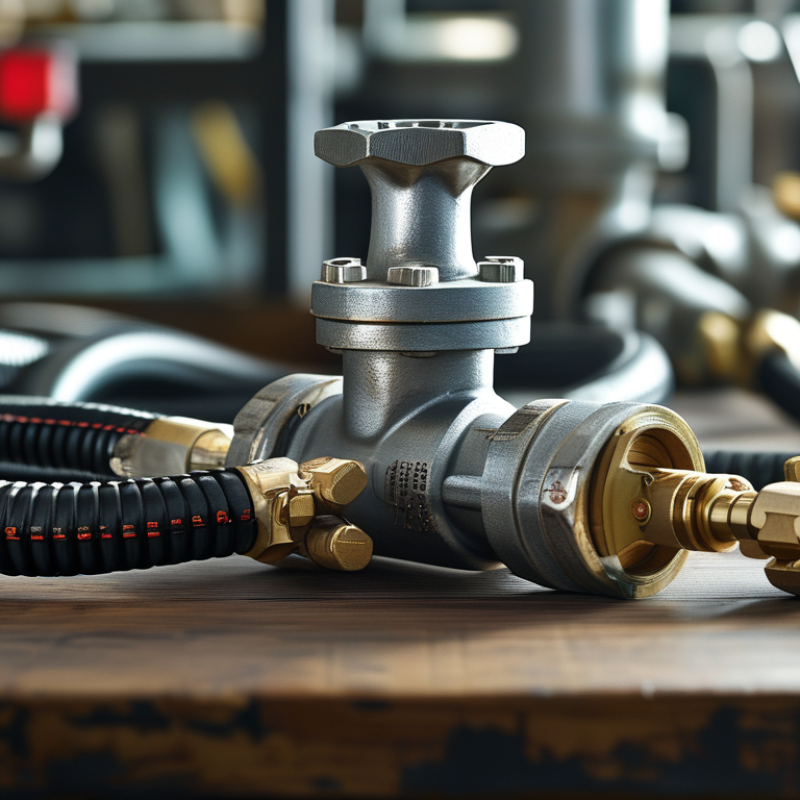
What is a Chemical Hose?
A chemical hose is designed to transport various chemicals safely. These hoses vary greatly in materials, sizes, and specifications. Understanding the specific requirements is crucial for optimal performance. According to industry reports, approximately 75% of chemical spills are attributed to improper hose selection. This highlights the importance of choosing the right hose.
When selecting a chemical hose, consider the chemical's compatibility. Not all materials resist all chemicals effectively. For example, PVC might be suitable for lower concentrations, but not for strong acids. Additionally, factors like temperature and pressure ratings also play critical roles. According to the Chemical Hose Market Report 2022, over 45% of users reported incidents due to inadequate pressure ratings.
Tip: Always request compatibility charts from manufacturers. This simple step can prevent costly mistakes.
Take note of the hose's construction. Some hoses offer reinforced designs to withstand extreme conditions. However, a stronger hose may come at a higher cost. Industry data suggests that users often overlook the lifespan of hoses, which can lead to unexpected failures.
Tip: Schedule regular inspections to ensure hoses meet safety standards. Identifying wear early can save both time and resources.
Types of Chemical Hoses and Their Applications
Chemical hoses are essential in various industries. They transport corrosive substances and need specific properties depending on the application. Understanding the types of chemical hoses is crucial for operational safety.
One common type is the PVC hose, favored for its lightweight and flexibility. It can handle a range of chemicals. However, it may not tolerate extreme temperatures well, which is a point of concern. In contrast, rubber hoses are more durable. They are resistant to wear and can handle harsh conditions. According to the Chemical Hose Market Report 2023, the demand for rubber hoses has increased by 15% in the last five years, reflecting their reliability.
Another type includes thermoplastic hoses. They are known for their excellent resistance to high pressures and temperatures. These hoses are ideal for industries like food processing and pharmaceuticals. However, they can be more expensive upfront. A 2023 industry study noted that choosing the right hose could reduce maintenance costs by up to 25%. Proper selection is pivotal to ensure safety and efficiency in chemical handling.
Factors to Consider When Choosing a Chemical Hose
When selecting a chemical hose, various factors must be considered to ensure safety and efficiency. Begin by identifying the type of chemicals the hose will handle. Different materials offer varying levels of resistance. For corrosive substances, a hose made of Teflon might be necessary. If you're unsure, consult with a professional who understands chemical compatibility.
Consider the temperature and pressure ratings of the hose. These ratings should align with your operational conditions. A hose that can't withstand high pressure can lead to leaks or bursts. It's crucial to pay attention to the hose's bend radius. A tight bend can weaken the material, increasing the risk of failure.
Tips: Always read the specifications carefully. Understanding them can save you from costly mistakes. Checking customer reviews can provide insights into real-world performance.
Another aspect to ponder is the hose length. An excessively long hose can create additional pressure loss. Yet, a hose that is too short may limit mobility. Balancing length and flexibility is key.
Tips: Map out your workflow before making a purchase. This visual will help you gauge the correct length needed. Don’t hesitate to seek help from experts in the field.
Maintenance Tips for Chemical Hoses
Chemical hoses require careful maintenance to ensure safety and longevity. Regular inspections play a crucial role in identifying wear and tear early. Check for cracks, leaks, or stiffness in the material. Any sign of damage could lead to serious consequences during operation.
Storing hoses properly is just as important. Keep them in a cool, dry area. Avoid exposure to extreme temperatures and sunlight, as these can degrade the hose material. This kind of careful handling can enhance the hose's life.
Cleaning is vital too. Rinse hoses after use to remove any residual chemicals. Such residues can cause deterioration over time. Always follow the appropriate cleaning protocols for the specific chemical involved. Neglecting these steps may result in unexpected failures. By adopting a proactive approach to maintenance, the reliability of chemical hoses can be significantly improved.
What is a Chemical Hose and How to Choose the Right One? - Maintenance Tips for Chemical Hoses
| Hose Type | Material | Temperature Range (°F) | Recommended Applications | Maintenance Tips |
| PVC Chemical Hose | PVC | -10 to 150 | Acids, bases, and some solvents | Regular inspections for wear; store in shaded areas |
| Rubber Chemical Hose | Rubber | -20 to 200 | Solvent-based chemicals and oils | Check for cracks; avoid extreme temperatures |
| PTFE Lined Chemical Hose | PTFE | -50 to 300 | Highly corrosive chemicals | Flush after use; inspect for leaks frequently |
| XLPE Chemical Hose | Cross-linked Polyethylene | -40 to 150 | Acids and chemical transfer | Store away from UV light; inspect fittings |
Safety Guidelines for Using Chemical Hoses
When using chemical hoses, safety is paramount. These hoses are designed to transport hazardous materials, so understanding their specifications is crucial. Ensure that the hose matches the type of chemical being handled. Compatibility can vary widely, affecting both performance and safety.
Inspect the hose regularly. Look for signs of wear, such as cracks or discoloration. Even small flaws can lead to leaks. Familiarize yourself with the manufacturer's guidelines. Misuse or neglect can compromise safety. Keep fire extinguishers nearby when working with volatile substances.
Training is essential. Ensure all personnel know how to handle chemical hoses properly. Accidents can happen, even in controlled environments. Provide continuous education to reinforce safe practices. Consider regular drills to enhance preparedness. Reactive responses can save lives when things go wrong, but prevention is the best strategy.