
In the ever-evolving landscape of industrial manufacturing, the Steel Pipe Manufacturing Machine stands out as a key component. Renowned expert Dr. James Li, a leader in manufacturing technologies, states, "The efficiency of a steel pipe manufacturing machine can define a factory's success." As global competition increases, manufacturers seek machines that not only produce quality pipes but also enhance productivity.
China has emerged as a hub for advanced steel pipe manufacturing technology. Many international buyers are drawn to Chinese machines for their innovation and cost-effectiveness. However, not all machines are created equal. Some may compromise quality for lower prices, leading to long-term issues.
Buyers must carefully evaluate options. This requires balancing cost and reliability. It’s crucial to consider not just the machine’s specifications but also the support and service offered by the manufacturer. In an industry marked by rapid progress, choosing the right Steel Pipe Manufacturing Machine is a pivotal decision that requires contemplation and due diligence.
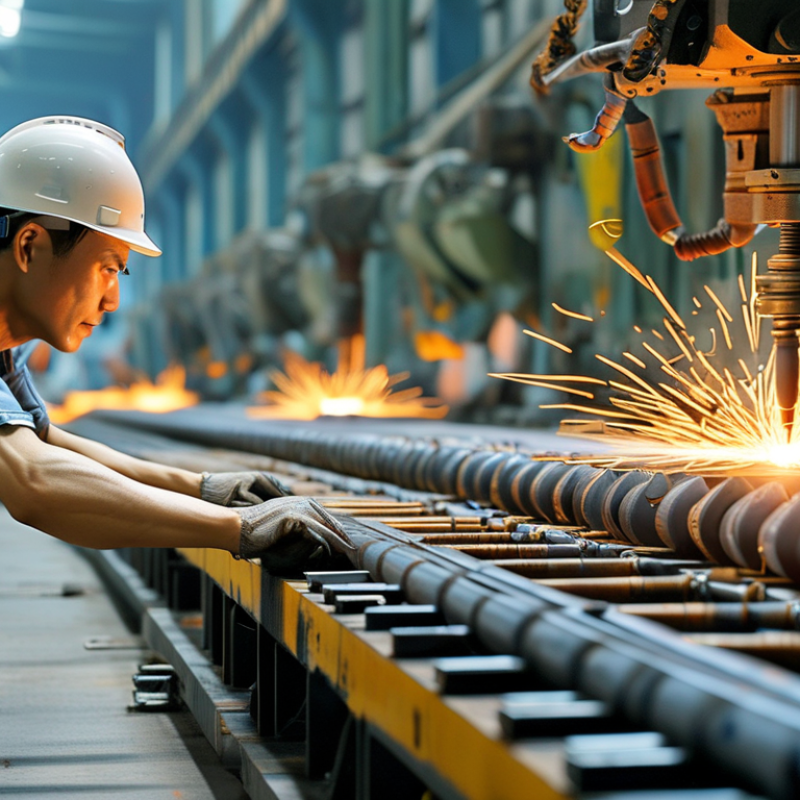
China's steel pipe manufacturing industry plays a critical role in the global market. In 2022, China produced over 59 million tons of steel pipes, accounting for nearly 45% of the world's total output. This impressive figure underscores China's dominance in the sector. The country's rapid industrialization and urbanization drive the demand for steel pipes in construction, oil and gas, and infrastructure projects.
Despite the impressive growth, challenges persist. Many manufacturers struggle with environmental regulations, cost pressures, and competition from international markets. The pressure to adopt greener technologies is immense. Reports indicate that around 60% of Chinese steel manufacturers are still reliant on traditional methods, leading to high carbon emissions. This gap presents an opportunity for innovation and improvement within the sector.
Tip: When considering investing in steel pipe manufacturing machines, assess the technological capabilities and energy efficiency of potential models. Look for machines that offer versatility and ease of operation. Regular maintenance is also crucial for maximizing lifespan and productivity in production.
Moreover, market predictions suggest that demand for steel pipes will grow by 5% annually through 2025. This growth may come with fluctuations in raw material prices and trade policies. Companies in the industry should stay informed about these dynamics for informed decision-making. Addressing production challenges will be vital for maintaining competitive advantages in this thriving sector.
Chinese steel pipe manufacturing machines offer several key features that appeal to global buyers. First, they often boast advanced automation technology. This helps increase production efficiency and reduce labor costs. Many machines come equipped with intelligent control systems. These systems can monitor and optimize operations in real time.
Another significant feature is versatility. Chinese manufacturers produce machines that can handle various pipe sizes and materials. This flexibility allows businesses to adapt to market demands quickly. However, not all machines may meet high-quality standards. Some may require additional tuning and calibration to achieve optimal performance.
Durability is also a crucial aspect. Many machines are designed to withstand heavy usage and harsh environments. Buyers should consider the long-term reliability of these machines. It is important to conduct thorough research and seek expert advice.
This can prevent costly mistakes and ensure a return on investment. While Chinese machines are generally cost-effective, the variation in quality means careful selection is essential.
China has established itself as a prominent hub for steel pipe manufacturing machinery. The country's factories are equipped with advanced technology, enabling efficient production lines. Skilled engineers design these machines to meet diverse global standards. Many manufacturers focus on innovation, pushing the boundaries of what these machines can achieve.
In terms of expertise, China's manufacturing sector has accumulated years of experience. Companies often emphasize training and development for their workforce. Despite this strength, challenges remain. Some equipment may not meet specific international regulations, leading to issues in quality assurance. Clients must conduct thorough inspections to ensure compliance with their requirements.
Reliability in machinery production heavily influences a buyer's decision. Manufacturers strive to build trust through quality and performance. However, variations in production practices can lead to inconsistent results. Potential buyers should engage with suppliers directly, ensuring clear communication. This collaboration may reveal critical insights and address potential pitfalls in the supply chain.
Technological innovations in steel pipe production equipment are reshaping the industry. Advanced machinery enhances efficiency and precision. Automated systems reduce human error, leading to consistent quality. These machines optimize the entire production process, from raw material handling to final inspections.
Incorporating artificial intelligence into steel pipe manufacturing has proven beneficial. AI analyzes data in real time. This capability allows for quick adjustments, ensuring optimal performance and reducing waste. Additionally, energy-efficient designs are now a focus. They not only lower operational costs but also align with global sustainability goals.
However, challenges persist. Not all manufacturers can easily adopt these advanced technologies. High initial costs and training requirements can be barriers. Moreover, there’s a constant need for innovation to keep up with market demands. This gap creates opportunities but also requires careful consideration and planning. Overall, the future of steel pipe production is promising yet complex.
| Machine Type | Production Capacity (Tons/Day) | Power Consumption (kW) | Automation Level | Key Technology |
|---|---|---|---|---|
| High-Frequency Welded Pipe Machine | 80 | 250 | Fully Automated | Induction Heating Technology |
| Seamless Pipe Mill | 100 | 300 | Semi-Automated | Cross Roll Piercing |
| Spiral Pipe Machine | 60 | 200 | Fully Automated | Helical Forming Technology |
| ERW Pipe Manufacturing Line | 70 | 270 | Automated | Laser Welding Technology |
| CNC Pipe Cutting Machine | 40 | 120 | Fully Automated | Computer Numerical Control |
China's steel pipe manufacturing machines have a significant impact on the global market. They play a crucial role in shaping the production landscape. These machines are known for their efficiency and cost-effectiveness. Manufacturers worldwide rely on them to meet growing demands. In recent years, the quality of Chinese equipment has improved noticeably. It often meets international standards, attracting foreign buyers.
However, challenges remain. Some buyers question the durability of these machines. The rapid pace of innovation can create a learning curve for users. Not every company is ready to adapt quickly to new technology. Moreover, the environmental concerns regarding production processes must not be overlooked. These issues raise questions about sustainability practices in the industry.
Despite these concerns, the demand for Chinese steel pipe manufacturing machines continues to grow. Many global buyers appreciate the blend of affordability and technology. As companies strive for more sustainable practices, Chinese manufacturers are under pressure to innovate further. This dynamic interplay shapes the future of steel pipe production globally.
We are here to help you with all your queries and concerns, just write to us using the below form and we will get back to you as soon as we can.