China Best Hex Machine Screw Manufacturers and Suppliers
Hex Machine Screw selection can look simple: choose a head style, confirm the thread, and place an order. The details matter more. A screw that fits a drawing may still fail a real assembly if its material, finish, dimensions, or installation method do not match the application.
In his published work on bolted joints, fastener engineer and author John H. Bickford emphasizes a practical principle: joint reliability depends on controlled installation, not strength alone. That principle is useful when evaluating China Best Hex Machine Screw Manufacturers and Suppliers. Buyers should check thread specifications, dimensional tolerances, material options, surface treatments, and inspection records. Ask how samples are measured. Request documentation that matches the production batch, not just a general product sheet.
Look closely at the supplier’s process. Can the factory explain how it controls thread quality and checks finished screws? Does it provide clear lead times, packaging details, and support for custom drawings? A hex head should seat cleanly under the intended tool. Threads should engage smoothly, without visible burrs or damage. Small defects matter.
Samples help, but they are not proof of consistent mass production. That distinction is easy to miss. Compare sample results with batch inspection information, and clarify acceptance criteria before ordering. This guide examines manufacturers and suppliers through practical sourcing factors, helping buyers make a more informed shortlist. No supplier is right for every job; the best choice depends on the application, required specifications, and verified production capability.
Hex Machine Screws Defined: Hex Heads, Full Threads, and Common Applications
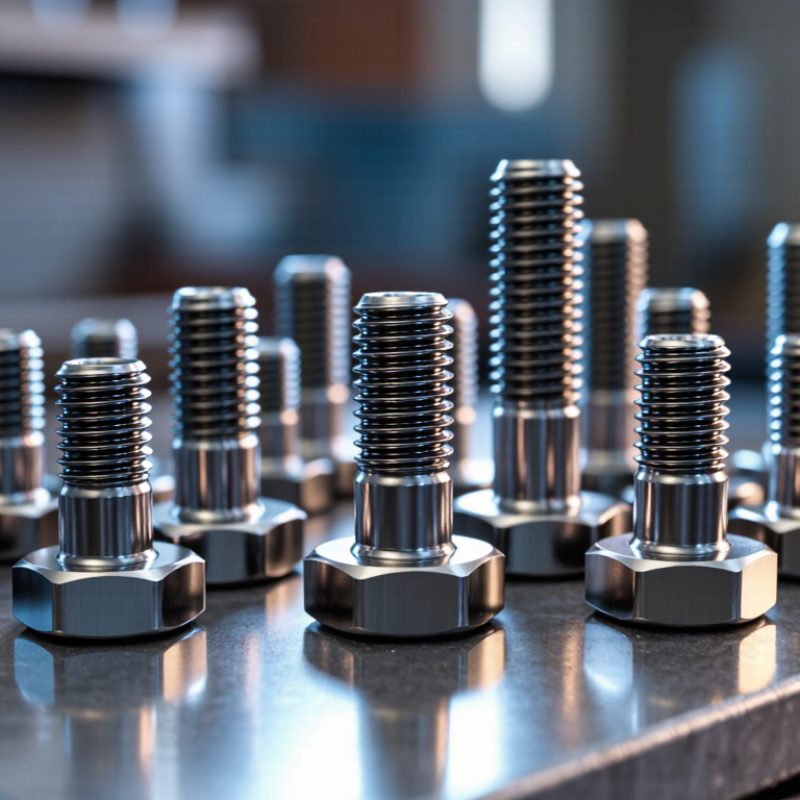
Hex machine screws have a six-sided head for wrench or socket access and machine threads designed to engage a tapped hole or a matching nut. Many common versions are fully threaded, giving designers flexibility across short grip lengths. But “full thread” should be confirmed on the drawing; product descriptions can be vague. A hex head is not automatically stronger. Strength also depends on material, diameter, heat treatment, and installation torque.
The scale of the fastener industry makes specification discipline important. Grand View Research estimated the global industrial fasteners market at USD 90.1 billion in 2023, covering many fastener types, not hex machine screws alone. For dimensions and terminology, buyers can consult applicable standards such as ASME B18.6.3, then verify the supplier’s drawing and inspection records. Check thread diameter and pitch, under-head length, head dimensions, material, and coating. Small mismatches matter.
These screws commonly secure machinery covers, electrical enclosures, appliances, and brackets. Picture a screw passing through a thin panel into a tapped steel frame: a head that is too large may block a nearby component, while a screw that is too long can bottom out. Fit a sample before ordering at scale. Also consider tool clearance around the hex head. In tight assemblies, that detail is easy to miss.
Hex Machine Screws: Head Size by Metric Thread Diameter
Hex machine screws have a six-sided head for wrench installation. The chart shows typical across-flats head dimensions for selected ISO 4017 metric sizes, in millimeters.
Full-thread screws have threads along the entire shank and are commonly used to fasten components into tapped holes or with nuts. Confirm the applicable standard and product specifications before selecting a size.
ISO 4017 Scope: M1.6–M64 Sizes and Product Grades A and B
ISO 4017 covers fully threaded metric hexagon head screws, with nominal sizes from M1.6 to M64 and product grades A and B. The grade describes dimensional tolerances, not the screw’s strength class. Buyers should confirm diameter, pitch, length measured beneath the head, and head dimensions against the drawing. Small details matter.
The ISO 4017 specification is the primary reference for checking size and product-grade requirements. For material context, World Steel Association reported 1,882.6 million tonnes of global crude steel production in 2024. That figure signals the scale of the steel supply chain, but it does not prove a screw’s chemistry, strength, or consistency. Ask suppliers for material certificates and inspection records tied to the delivered batch.
For China-based sourcing, compare samples using thread gauges and calipers, then verify fit in the actual assembly. Keep mechanical property class separate from product grade when writing a purchase specification. A clear requirement might state “ISO 4017, M10 × 30, grade A,” followed by the required property class and finish. Fit matters. One weak point remains: drawings can omit pitch or coating details, so clarify them before production rather than assuming a standard choice.
Steel Strength Classes: ISO 898-1 Classes 4.6–12.9
ISO 898-1 defines mechanical property classes for carbon and alloy steel bolts, screws, and studs. For hex machine screws, the class helps buyers compare strength before choosing a fastener. In a designation such as 8.8, the first number indicates a nominal tensile strength of 800 MPa. The second relates to the nominal yield-to-tensile strength ratio. Class 4.6 is a lower-strength option; 10.9 and 12.9 are intended for higher loads when the joint design allows. Check the specified size and product requirements, since measured properties and proof loads can vary.
Details matter. Ask a manufacturer or supplier for material and inspection records, and confirm that testing applies to the relevant production lot. A torque-controlled assembly, for example, can fail if the screw class is misunderstood or the joint is poorly designed. Class alone does not tell you about corrosion resistance, coating thickness, or suitability for a particular environment. Those need separate checks. Not the whole answer. I would also compare thread dimensions, head geometry, and surface finish against the drawing, rather than selecting by strength number alone. Sometimes that step is missed. A clear specification makes supplier quotations easier to evaluate and helps prevent a strong screw from becoming the weak point in service.
Coatings and Corrosion Protection: ISO 4042 Electroplated Coatings
Electroplated coatings can help hex machine screws resist rust during storage and service. ISO 4042:2018 sets requirements for electroplated coating systems on fasteners, including coating thickness and hydrogen embrittlement considerations. For manufacturers and suppliers, coating selection should match the screw’s base material, strength class, and expected environment. A bright finish alone does not prove adequate protection.
The NACE International IMPACT study estimated that corrosion costs the global economy US$2.5 trillion annually, or 3.4% of global GDP. It also found that applying existing corrosion-control practices could save 15–35% of those costs. These figures make coating quality more than a cosmetic detail. In practice, plating thickness can affect thread fit, so buyers should request coating specifications and verify dimensions with suitable gauges. Small details matter.
Electroplating also introduces hydrogen, which can increase delayed fracture risk in susceptible high-strength fasteners. ISO 4042 addresses this risk through controls such as process selection and hydrogen-relief treatment, where applicable. Ask suppliers for documented process controls, inspection records, and clear information about coating thickness. A salt-spray result can help compare performance, but it does not predict every field condition. That part is easy to overlook. The right specification still depends on actual exposure, including moisture, salts, and temperature changes.
Choosing China Suppliers: Verify ISO 9001, Traceability, and Test Reports
When evaluating China suppliers of hex machine screws, treat ISO 9001 as a starting point, not a guarantee. Ask for the certificate and confirm its validity, issuing body, covered manufacturing site, and scope. A certificate for an office may not cover the factory making your screws. Details matter.
Traceability should connect a finished screw to its production lot and material records. Request sample labels, inspection logs, and the process used to separate lots. For example, a carton label should match the batch number on the inspection documents. Check how the supplier handles mixed or reworked stock. It is easy to miss one detail.
Test reports need clear results, not just a “pass” stamp. For hex machine screws, review dimensions, thread fit, material or hardness results, and coating thickness when relevant. Ask which standards and sampling methods were used, and whether measuring equipment is calibrated. Compare the report’s part number and lot number with your order. A neat report can still leave questions. If a requirement is unclear, request a corrected document before approving shipment; that extra check may feel slow, but it can prevent costly uncertainty later.