China Top Meat Meal Making Machine for Optimal Production Quality?
In the competitive landscape of meat production, the quality of processing equipment plays a crucial role. Experts like Dr. Emily Wang, a renowned authority in meat processing technology, emphasize the importance of precision in manufacturing. She states, "The right Meat Meal Making Machine ensures optimal quality and efficiency in production." This highlights the substantial impact of choosing the right machinery on overall product integrity.
The Meat Meal Making Machine is not just a tool; it represents the heart of production lines that drive the industry. Modern machines incorporate advanced technology, enabling consistent textures and nutrient preservation in meat meals. However, selecting the most suitable machine isn't always straightforward. Each model presents unique strengths and limitations that require careful evaluation.
While many machines boast cutting-edge features, the reality is that not all may meet specific production needs. Potential users must critically analyze factors like capacity, maintenance requirements, and adaptability. The quest for the ideal Meat Meal Making Machine is ongoing, demanding continuous reflection and improvement in processing strategy.
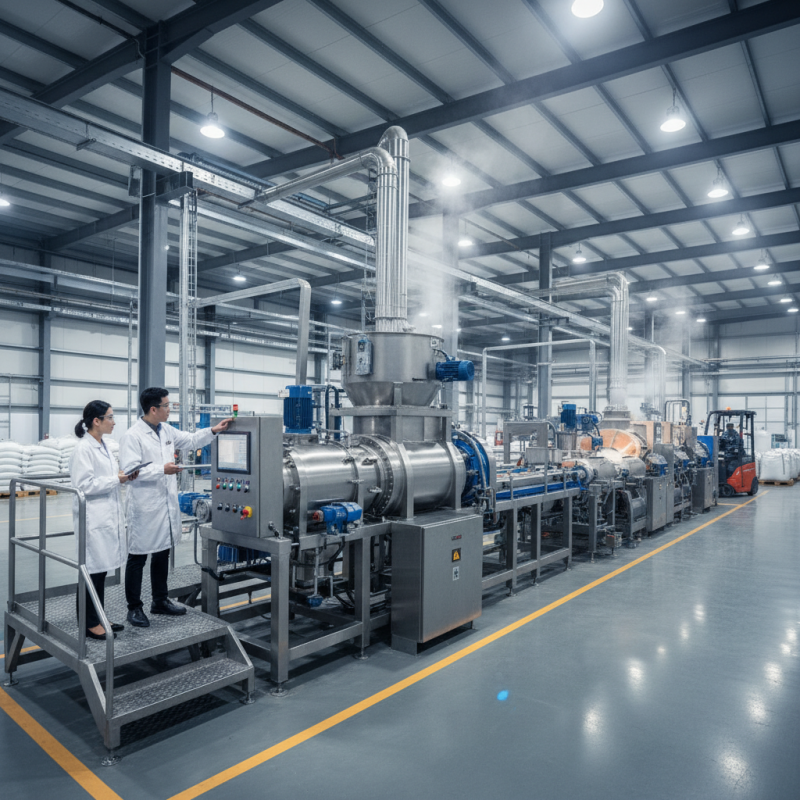
China's Leading Technology in Meat Meal Production Machines
China has emerged as a leader in meat meal production technology. This growth is driven by advancements in machine efficiency and production quality. The machinery is designed to ensure high nutritional value while maintaining optimal production standards. Operators can easily manage these machines, facilitating greater output and reducing delays.
The technology behind these machines incorporates innovative designs and state-of-the-art features. For instance, some models allow for precise temperature control, which is crucial for ensuring product safety and quality. While these machines are effective, there can be issues if not maintained properly. Regular checks and calibrations are vital for consistent performance. Users must stay vigilant to avoid operational setbacks.
Additionally, the availability of skilled personnel remains a concern. Training is critical to harness the full potential of these advanced machines. As production demands increase, operators face the challenge of balancing efficiency with quality. This evolving landscape requires ongoing adaptation and strategic planning to achieve the best results in meat meal production.
Key Features of Optimal Meat Meal Making Machines in China
When considering optimal meat meal making machines in China, various key features stand out. These machines should incorporate advanced technology for efficient processing. A high-capacity production system enables manufacturers to meet growing demands. Precision in ingredient handling is vital. This ensures a consistent quality of meat meal.
Another crucial detail to note is the machine's energy efficiency. An energy-efficient machine reduces overall operational costs. Users should look for models that minimize waste while maximizing output. Additionally, the ease of cleaning and maintenance can impact long-term performance. Regular maintenance prevents breakdowns and ensures reliability.
Tips: Invest time in researching machine specifications. Understand what features align with your production goals. Make a checklist to compare options. Evaluate the after-sale support offered by manufacturers. This can save future headaches. Performance should be balanced with reliable service. Always ask for more information before making a decision.
Benefits of Using Advanced Meat Meal Machines for Food Processing
The food processing industry has seen significant advancements with the introduction of advanced meat meal machines. These machines are designed for optimal production quality, enhancing the overall efficiency of meat processing. According to a report by Grand View Research, the global meat processing equipment market is projected to reach $19.61 billion by 2025. This growth is driven by the increasing demand for processed meat products.
Advanced meat meal machines not only improve production speed but also enhance product quality. They ensure consistency in texture and flavor, which is vital for consumer satisfaction. Studies indicate that improved machine technology can reduce waste by up to 30%. This not only lowers operational costs but also contributes to sustainability.
Tip: Regular maintenance of meat meal machines is crucial. Ensuring they are clean and well-calibrated can prevent costly downtime.
Using these machines allows producers to meet growing consumer demands for high-quality meat products. However, the initial investment can be significant. Producers need to weigh the costs and benefits carefully. It's essential to choose technology that is easy to operate and maintain.
Tip: Train staff adequately on machine operation. This can lead to better performance and fewer errors. The right training can also improve safety in the workplace.
Comparative Analysis of Different Meat Meal Production Methods
The production of meat meal can vary significantly based on the chosen method. Key techniques like rendering and drying are often compared for efficiency. According to industry reports, the rendering process often yields about 90% protein content, whereas drying methods might only reach around 70%. This substantial difference can impact final product quality.
In a comparative study, it was found that energy consumption plays a critical role. Rendering consumes approximately 5-7% more energy compared to drying. However, the nutritional profile tends to favor rendering for higher-quality outputs. This raises questions about cost versus quality. What are the hidden costs of lower energy use?
Moreover, the equipment used in these processes influences output consistency. Advanced machinery can provide better temperature control. In contrast, older machines might struggle, leading to inconsistent quality. An analysis revealed that production lines using modern tech had a 15-20% lower defect rate. Yet, adapting to new machinery could pose challenges for small producers. How do they balance investment with production capacity?
China Top Meat Meal Making Machine for Optimal Production Quality
| Production Method | Efficiency (%) | Quality Score (out of 10) | Operating Temperature (°C) | Energy Consumption (kWh/ton) |
| Rendering Method | 90 | 9.5 | 130-150 | 250 |
| Extrusion Method | 85 | 8.0 | 140-160 | 300 |
| Drying Method | 80 | 7.5 | 70-90 | 200 |
| Fermentation Method | 75 | 8.5 | 30-40 | 150 |
Future Trends in Meat Meal Making Technology in China
The meat meal production landscape in China is rapidly evolving. Technological advancements are shaping the way meat meal is made, significantly improving efficiency and quality. Key innovations include automated processes that minimize human intervention. These technologies not only enhance productivity but also ensure consistency in product quality.
The future trends in meat meal making technology point toward sustainability. As consumers demand eco-friendly products, manufacturers are exploring alternative raw materials. This shift aims to reduce waste and energy consumption. However, embracing new technology is not without challenges. Many facilities struggle to adapt their traditional methods to these advancements. This gap indicates a need for training and updating existing protocols to fully benefit from emerging trends.
Integrating artificial intelligence into machinery is gaining traction. This technology can monitor production quality in real-time, enhancing reliability. However, it also raises questions about job displacement and skill requirements for workers. The industry must assess these implications while advancing toward smarter, more sustainable production methods.