
How to Choose the Best Small Hose Clamps for Your Needs?

Choosing the right Small Hose Clamps can be challenging. These tools may seem simple, but their efficiency is crucial. They secure hoses and tubes, preventing leaks. When selecting, it’s essential to understand the specifics of your project.

First, consider the materials you will use. Different applications may require stainless steel or plastic. The environment matters too. Corrosion-resistant clamps are vital for outdoor use. You can’t overlook size. A poor fit leads to failure.

Your choices will impact performance and longevity. Research is necessary, but it often feels overwhelming. Many options exist, and each has benefits and drawbacks. By understanding your needs, you can make informed decisions. Small hose clamps are a tiny part of your project but play a big role.
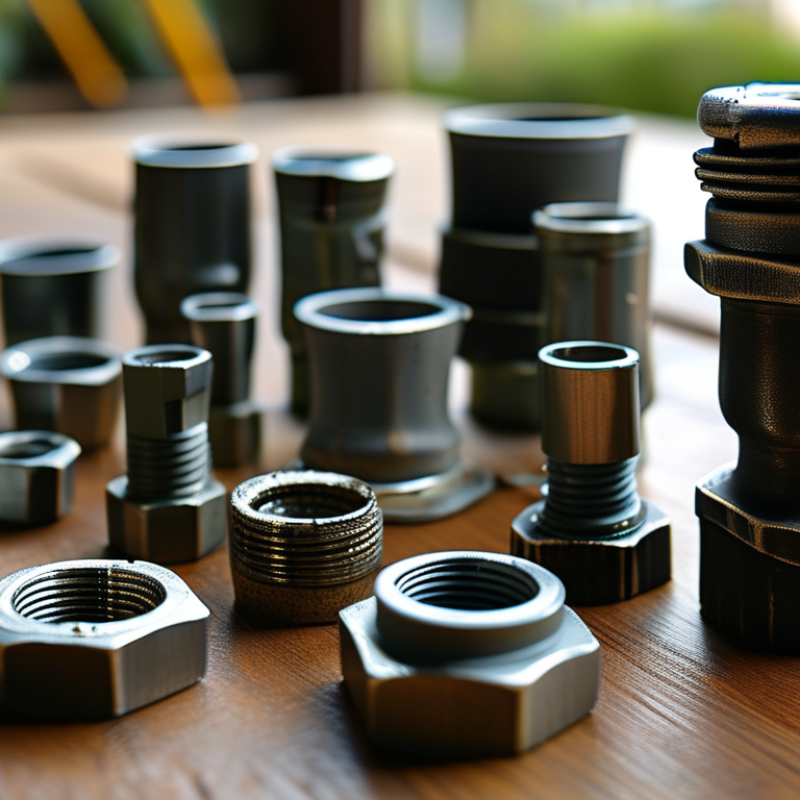
How to Choose the Best Small Hose Clamps for Your Needs?

Understanding Small Hose Clamps: Types and Functions

Small hose clamps are critical components in various applications, ranging from automotive to plumbing. Understanding the different types can help you choose the right one for your specific project. Common types include spring clamps, screw clamps, and wire clamps. Each type has its unique mechanism and suitability for different materials and pressures.

Screw clamps are often the most versatile. They provide strong holding power, making them ideal for securing hoses in high-pressure systems. However, they can be prone to over-tightening, which may damage the hose. Spring clamps, on the other hand, offer a simple solution for low-pressure applications. They can easily be adjusted, but may not hold as firmly as screw clamps. Wire clamps are lightweight and inexpensive, but they are best suited for temporary fixes due to their limited strength.

When selecting a small hose clamp, consider the material of the hose and the application’s pressure requirements. Choosing a clamp that doesn’t fit well can lead to leaks and failures. Reflecting on this process helps eliminate costly mistakes. Always test the clamp after installation to ensure it holds securely under pressure. A good fit is essential for reliability and functionality.

Key Materials Used in Small Hose Clamps and Their Benefits

When selecting the best small hose clamps, understanding the materials involved is crucial. Stainless steel is among the most popular choices. It offers excellent corrosion resistance. This makes it ideal for outdoor applications or environments with moisture. However, not all stainless steel is the same. Some grades can be more susceptible to rust under extreme conditions.

Another common option is plastic. Plastic hose clamps are lightweight and resist corrosion well. They are often used for delicate applications where metal might cause damage. Nonetheless, they may not withstand high temperatures or heavy loads. Users need to assess their specific requirements before deciding.

Moreover, there are rubberized hose clamps. These provide added grip and prevent slippage. They work well in situations where vibrations are present. Yet, rubber can degrade over time. Regular inspection becomes necessary for durability. Choosing the right material depends on your project specifics. Understanding their strengths and weaknesses leads to better choices.

Sizing Small Hose Clamps: How to Measure for a Perfect Fit

When selecting small hose clamps, precise measurement is essential for a perfect fit. Many users underestimate the importance of size accuracy. According to a recent report by the Hose Clamp Manufacturers Association, improperly sized clamps can lead to leaks. This emphasizes the need for careful measurement.

To measure a hose for a clamp, use a caliper or tape measure. First, determine the outer diameter of the hose. Ensure that you measure at various points to account for any irregularities. A small variation may seem insignificant, but it can impact the seal. Industry standards recommend a tolerance of +/- 0.5 mm to ensure reliability.

Next, consider the width of the clamp. A wider clamp distributes pressure more evenly across the hose, preventing damage. Studies show that using correctly sized clamps can reduce the risk of hose failure by 30%. Carefully measuring and selecting your clamps not only enhances security but also minimizes potential future repairs. However, many users still overlook this critical step, leading to frustrating results later on.

How to Choose the Best Small Hose Clamps for Your Needs? - Sizing Small Hose Clamps: How to Measure for a Perfect Fit

Clamp Size (inches) Diameter Range (inches) Material Recommended Use
1/2 3/8 - 1/2 Stainless Steel Automotive, Plumbing
3/4 1/2 - 3/4 Zinc-Plated Steel Home Repairs, Gardening
1 3/4 - 1 Plastic Irrigation Systems
1 1/4 1 - 1 1/4 Stainless Steel Industrial Applications
1 1/2 1 1/4 - 1 1/2 Bronze Marine, High-Temperature

Load Ratings and Pressure Considerations in Hose Clamp Selection

When selecting small hose clamps, load ratings and pressure considerations are crucial. Understanding the demands of your application will help you choose effectively. Each hose clamp has a specific pressure rating, dictated by its materials and design. Higher pressure systems require clamps that can withstand greater forces without failure.

Remember to consider the environment where the clamp will be used. Temperature fluctuations can affect performance. For instance, some materials may expand or contract. This could lead to a loss in grip. Always match the clamp's material with the specifics of your application.

Tips: Measure the diameter of your hose accurately. Small variations can lead to improper fittings. Assess the pressure your system will encounter. It’s important to have a safety margin. A clamp rated for just above your system's needs may not provide enough security.

Ensuring reliability also means thinking about factors that may not be immediately visible. For example, exposure to chemicals could degrade certain materials over time. And remember, even a high-quality clamp could fail if not installed properly. Take care during placement to avoid leaks.

Common Applications of Small Hose Clamps in Various Industries

Small hose clamps are essential in various industries. They provide secure fastening for hoses, tubes, and pipes. These clamps are widely used in automotive, plumbing, and manufacturing sectors. In automotive applications, they keep fuel and coolant hoses tightly secured. This prevents leaks and ensures proper function. Plumbers rely on these clamps to connect various pipes securely, ensuring water flows without interruption.

In the manufacturing industry, small hose clamps help assemble machinery and equipment. They are crucial for the operation of hydraulic and pneumatic systems. However, choosing the right size and type of clamp can be challenging. Users often overlook the material requirements for specific environments. For instance, stainless steel clamps resist corrosion better than plastic ones. Selecting the wrong clamp can lead to system failures, safety hazards, and costly repairs.

Another common use is in home gardening. Gardeners utilize small hose clamps to secure drip irrigation systems. This enhances water distribution for plants efficiently. In this scenario, the choice of the clamps should consider both durability and flexibility. Users sometimes find it difficult to strike a balance. Recognizing the unique demands of each application is vital for effectiveness.

Common Applications of Small Hose Clamps in Various Industries

Our dedicated sales and support staff are here to help you identify the ideal pump solution for your needs.

Contact Us