
Choosing the right Stand Up Pouch Packing Machine can be a daunting task. This machine is crucial for packaging a variety of products, from snacks to liquids. Your choice will affect efficiency, cost, and product appeal.
Understanding your specific needs is vital. Consider your product dimensions, material compatibility, and production volume. Investing in a machine that doesn’t meet your requirements can lead to inefficiencies. You might face production delays or increased waste.
It's advisable to consult industry experts with extensive experience. They can guide you towards reliable options. Researching reputable brands and reading customer reviews is essential. However, some brands may fall short of their promises. Ensure any claims are backed by proof. A thoughtful approach can lead to better packaging solutions.
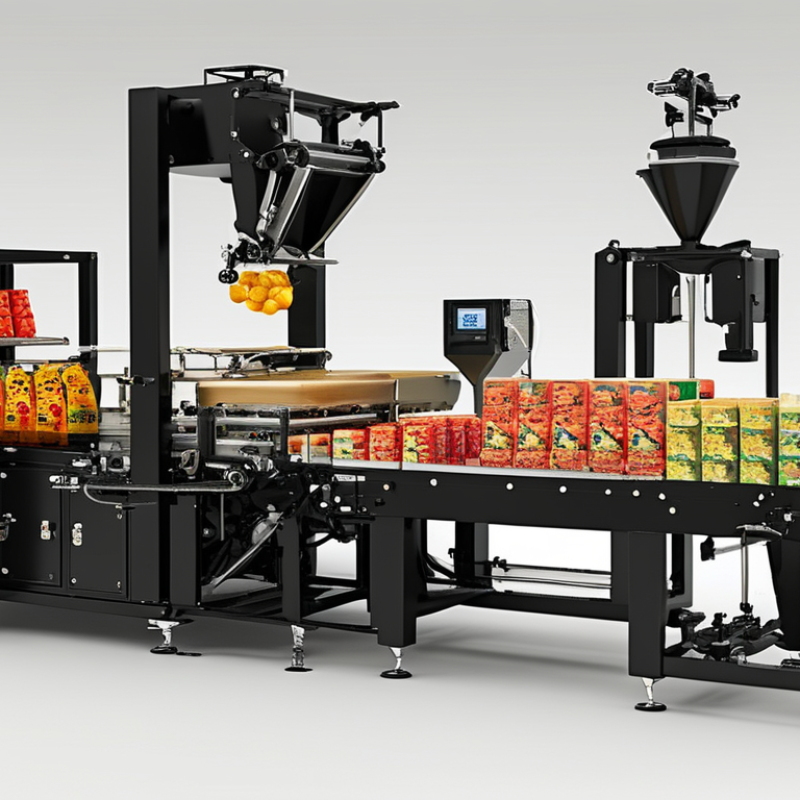
Stand up pouch packing machines offer a unique solution for packaging a variety of products. These machines are designed to create flexible pouches that stand upright, providing an attractive display for consumers. Understanding how these machines work is crucial for businesses looking to enhance their packaging processes.
When selecting a stand up pouch packing machine, consider your product's specific requirements. For instance, the type of material used for the pouches affects durability and presentation. Not all pouches are created equal. Some may not seal properly, leading to potential spillage. Evaluate the sealing methods and materials used in the machine. This analysis can help prevent costly mistakes.
Training staff on these machines may present challenges. Operators need a clear understanding of how to maintain them properly for optimal performance. It's also important to regularly assess the machine's efficiency to ensure it meets production needs. Failure to do so can lead to downtime that impacts overall productivity. Making informed choices based on thorough research can significantly improve packaging effectiveness and product integrity.
When selecting a stand-up pouch packing machine, several key features must be assessed. Speed is crucial; faster machines can increase productivity. Look for a machine that offers adjustable speeds, allowing flexibility depending on product volume. Consider the machine's capability to handle various pouch sizes and materials. Compatibility with different pouch formats is essential for diverse packaging needs.
Quality control is another vital aspect. Machines should have built-in systems to ensure accuracy in sealing and filling. Precision prevents costly errors that can ruin your product. Additionally, ease of operation is important. A user-friendly interface simplifies training and daily use. Maintenance requirements should also be evaluated; machines that are easy to clean enhance efficiency.
Lastly, the machine's reliability plays a significant role in long-term performance. Research supplier credibility and customer reviews. Machines should be durable, minimizing downtime and repairs. Regularly reflect on these features to tailor your choice to specific requirements. The right machine can significantly impact packaging efficiency and product integrity.
When choosing a stand-up pouch packing machine, it is vital to evaluate production capacity and efficiency. According to industry reports, the average output for these machines can range from 30 to 150 pouches per minute, depending on the model and the complexity of the packaging process. This variance highlights the importance of assessing your production needs before making a decision.
Efficiency is measured not just by speed, but also by the machine’s ability to reduce waste and maintain product integrity. Recent studies indicate that high-efficiency machines can decrease material waste by up to 10%, which directly impacts overall cost-effectiveness. However, it's crucial to consider that a machine with high output may not always be the best choice for smaller or specialized products. Overestimating production needs can lead to increased operational costs and maintenance issues.
Technical features deserve attention as well. Many machines offer advanced capabilities such as multi-lane configurations and various sealing technologies. However, these features may complicate operation and require more training. Companies that prioritize efficiency should also weigh the potential trade-offs. Balancing speed and quality remains a key challenge in the industry, often leading to overcapacity and operational bottlenecks.
When selecting a stand-up pouch packing machine, material compatibility is crucial. The materials used in the pouches must match the product’s requirements. For instance, food products need materials that resist moisture and UV light. Choosing the wrong material can lead to product spoilage or contamination. Conduct thorough research into the types of films that work best for various items. Understand how different coatings and layers affect shelf life.
In packaging, even small mistakes matter. Some consumers overlook this, assuming any machine will work. However, the right combination of barriers is essential for maintaining freshness. Not all machines can handle every type of material. Features like heat sealing and cutting mechanisms vary. It's advisable to consult experts who can provide insights on achieving optimal results.
Additionally, manufacturers should consider eco-friendly materials. While the industry trends towards sustainability, not all machines can accommodate biodegradable or recyclable pouches. This can create dilemmas if businesses prioritize green practices. It's important to align machine capabilities with the company’s sustainability goals. Balancing performance with environmental considerations is a challenge worth addressing.
When budgeting for a stand up pouch packing solution, several factors must be considered. The initial cost of a packing machine varies widely. Basic models start around $10,000, while advanced options can exceed $50,000. According to a recent industry report, operational costs can also impact your choice. The total cost of ownership should include maintenance, labor, and energy expenses.
Tips: Always consider potential downtime costs. A machine that is reliable may have a higher upfront cost, but can save you more in the long run.
Another essential aspect is the machine's capacity. Many manufacturers report an average throughput of 40 to 100 units per minute. A higher capacity machine may justify a larger investment if your production demands it. Think about the scalability of the solution. Will your business be able to increase output without replacing equipment shortly?
Tips: Evaluate your projected growth. Pick a machine that can adapt to changes in your production needs. Avoid overspending on features you may not use yet. Balancing initial investment with future needs is critical for a sustainable operation.
We are here to help you with all your queries and concerns, just write to us using the below form and we will get back to you as soon as we can.