How to Choose the Right Hydraulik Cylinder for Your Needs?
Choosing the right Hydraulik Cylinder is crucial for various industrial applications. According to John M. Anderson, a leading expert in hydraulic systems, "Selecting the right Hydraulik Cylinder can make or break your equipment's efficiency." This statement emphasizes the importance of careful consideration in the selection process.
When considering a Hydraulik Cylinder, one must account for factors like size, force requirements, and environmental conditions. Different projects have unique demands, so understanding these elements is essential. Many users overlook compatibility with existing systems, which can lead to significant setbacks.
There are many options available in the market, but not all cylinders will meet specific needs. Evaluating each cylinder's specifications without bias is vital. An informed choice can enhance productivity and reduce maintenance costs. On the other hand, a hasty decision may result in inefficiencies and costly repairs in the long run. Reflecting on your requirements will guide you toward the ideal Hydraulik Cylinder.
Understanding the Basics of Hydraulic Cylinders
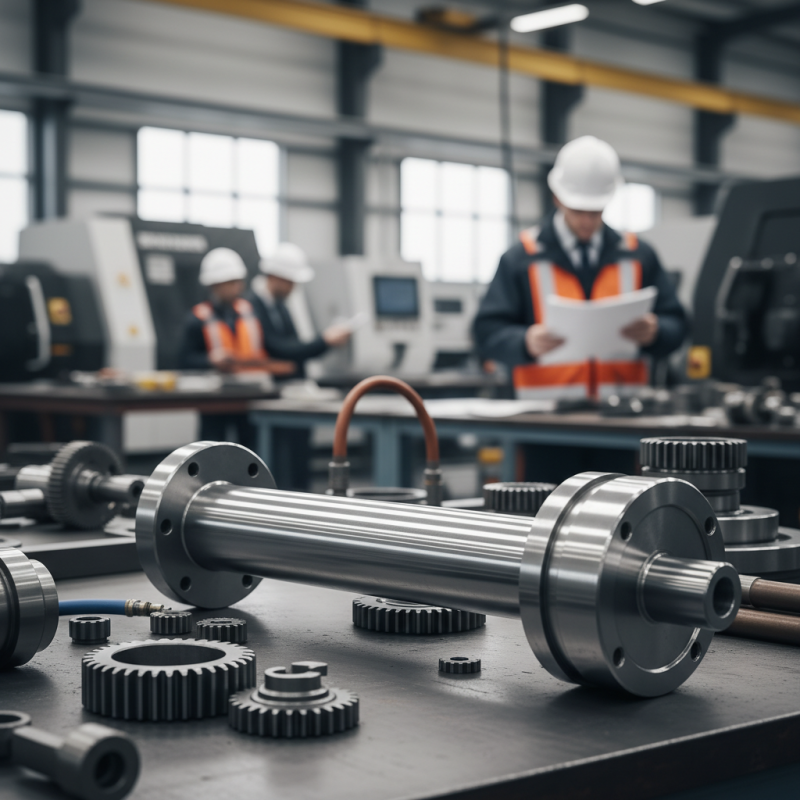
Hydraulic cylinders play a critical role in various mechanical systems. Understanding their basics is essential for effective application. A hydraulic cylinder consists of a cylindrical barrel, piston, and hydraulic fluid. This design allows it to convert hydraulic energy into linear motion. It's a straightforward concept, yet the intricacies can be complex.
You must consider several factors when selecting a hydraulic cylinder. First, the working pressure is crucial. Every cylinder has a different pressure rating. Choosing a cylinder that can handle your application’s pressure level is vital. The duty cycle is another aspect to review. Not all cylinders are built for continuous use. If misapplied, a hydraulic cylinder can lead to operational failures.
Additionally, pay attention to size and stroke length. Sometimes, standard sizes may not fit unique applications. Custom solutions exist, but they can be expensive and time-consuming. Reflect on the operational environment as well. Temperature, dust, and moisture can all affect performance. Finding balance in all these factors enhances efficiency. The right choice requires not just technical specifications but also an understanding of your specific needs.
Identifying Your Specific Application Requirements
When selecting the right hydraulik cylinder, it's crucial to identify your specific application requirements. The first consideration is pressure needs. Different tasks require different pressures. Assess the maximum pressure your application will encounter. This ensures you choose a cylinder that won't fail under stress.
Next, evaluate the force needed. Calculate how much force the hydraulik cylinder must generate. This information helps narrow down your options. Also, think about the size and stroke length. Ensure the dimensions fit seamlessly into your machinery. A mismatch here can lead to inefficiencies and costly repairs.
Many users overlook compatibility with existing systems. Ensure that the new cylinder integrates well with your hydraulic system. Check the ports and mounting style. This can save time and avoid potential frustrations during installation. Reflect on these factors to avoid missteps. Understanding your application in detail will guide you to the right choice.
How to Choose the Right Hydraulik Cylinder for Your Needs?
| Application Type | Max Load Capacity (tons) | Stroke Length (mm) | Mounting Type | Operating Pressure (bar) | Material |
| Construction Equipment | 30 | 500 | Clevis | 200 | Steel |
| Agricultural Machinery | 25 | 600 | Pin | 150 | Aluminum |
| Logistics Systems | 20 | 400 | Through Hole | 180 | Carbon Steel |
| Manufacturing Equipment | 40 | 700 | Flange | 220 | Stainless Steel |
Evaluating Size and Force Specifications
Choosing the right hydraulic cylinder is essential for optimal performance. Evaluating size and force specifications is a critical step. The cylinder's bore diameter impacts the force it can generate. A larger bore usually means more force. However, this also leads to increased weight and space requirements.
Take a moment to assess your application's needs. Sometimes, a smaller cylinder might be sufficient. It's important to balance size with required force. Don't overlook the mounting options and stroke length. Misalignment can lead to inefficient operation and premature wear.
Be cautious with overestimating your requirements. A cylinder that is too large can struggle in fine movements. It can also waste resources. If the force requirement fluctuates often, consider adjustable options. Reflect on your choices carefully; they will affect performance significantly over time.
Choosing the Right Material and Seal Configuration
Choosing the right material for a hydraulic cylinder is crucial. The material affects strength, durability, and resistance to corrosion. Common choices include steel and aluminum. Steel offers robustness, while aluminum is lighter and easier to handle. One must consider the working environment. Harsh conditions may require more resilient materials.
Seal configuration also plays a vital role. The right seals prevent leaks and ensure efficiency. Common seal types include O-rings, lip seals, and PTFE seals. Each type has unique advantages and drawbacks. O-rings are versatile, but they may wear out in extreme conditions. Investigating the specific application helps in making better decisions.
In choosing materials and seals, reflect on past experiences. Did previous choices yield the desired results? Were there unexpected failures? Learning from these instances is essential. Consulting with experts can provide insights and reduce uncertainty. Ultimately, a thoughtful approach leads to better performance and longevity of hydraulic systems.
Considering Budget and Maintenance Factors
When choosing a hydraulik cylinder, budget and maintenance are crucial factors. According to industry reports, nearly 40% of equipment failures are linked to improper maintenance. Costs can escalate quickly, making it vital to select the right unit from the start.
Investing in quality components can reduce long-term expenses. A well-managed budget should include both initial purchase costs and ongoing maintenance. Predictive maintenance strategies can save around 25-30% on repair costs, showing the importance of planned upkeep.
Tip: Always request detailed lifecycle cost estimates before purchasing. This can help clarify potential long-term savings. Additionally, consider that some cylinders might require specialized tools or training for maintenance, increasing the overall budget.
Remember that not all cylinders are created equal. Research different specifications and ensure they align with your operational needs. Sometimes, a cheaper option may lead to higher maintenance costs later. Make informed choices based on real-world usage and expert recommendations.