
Choosing the right Stainless Steel Flange is crucial for ensuring the integrity and efficiency of your pipeline systems. In industries such as oil and gas, food processing, and water treatment, the right flange selection can greatly impact performance. Stainless steel flanges offer robust durability, corrosion resistance, and versatility. However, not all flanges are created equal.
Consider factors like pressure ratings and temperature tolerances when making your choice. Some may overlook these details and face expensive failures. Common types include blind, slip-on, and weld neck flanges. Each type serves unique applications and comes with its own advantages. It’s essential to match the flange type to your specific needs.
Expert knowledge can help you navigate this process. Consulting with stainless steel flange suppliers can provide you with valuable insights. Relying on professionals ensures you make informed decisions. Remember, the right flange not only improves system reliability but also enhances safety. While it might seem straightforward, a wrong choice could lead to significant long-term issues. Careful consideration and expert advice are key.
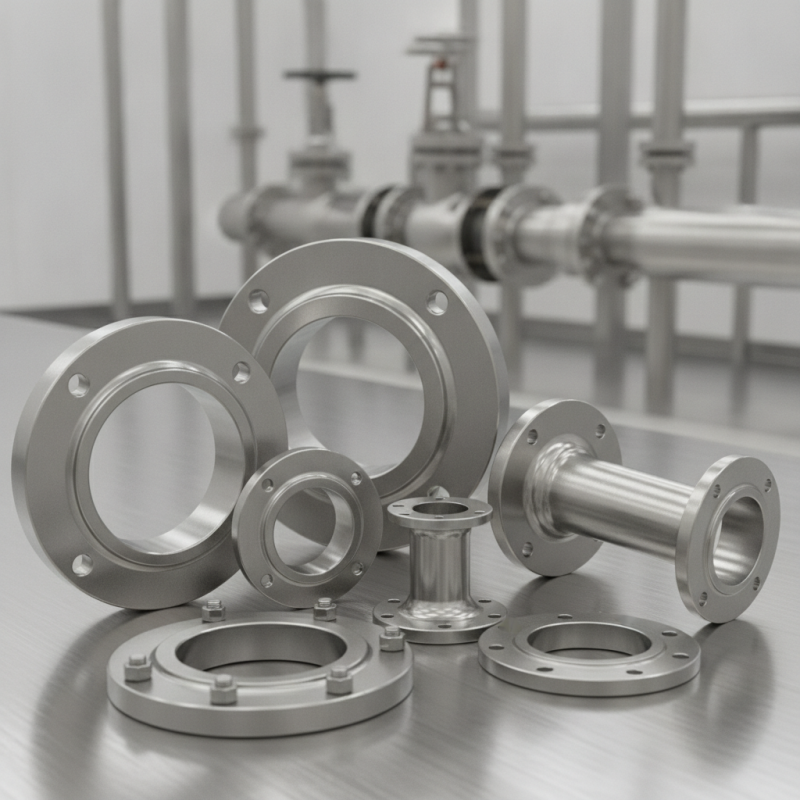
Stainless steel flanges are crucial in many industrial applications. They provide secure connections in piping systems. Understanding their types is essential. Various grades of stainless steel offer different levels of corrosion resistance and strength. Common grades include 304 and 316, each tailored for specific environments. For instance, 316 is better for marine applications due to its higher molybdenum content.
When selecting flanges, consider the application. Temperature, pressure, and fluid type play significant roles. Some flanges handle high-pressure systems, while others suit lower pressures. Visualizing this can help in making appropriate choices. Many users rush decisions, leading to compatibility issues. A mistake in flange selection can result in costly leaks or failures.
The installation process also demands attention. Proper alignment and torque specifications ensure reliable performance. Missed details often undermine the effectiveness of the selected flange. Engage with experienced professionals to avoid potential pitfalls. Their insights can guide you through the complexities of material choices and installation techniques.
When selecting a stainless steel flange, understanding the various types available is crucial. Flanges come in different forms, each serving unique applications. The most common types include slip-on, weld neck, and blind flanges. According to a recent industry report, slip-on flanges account for approximately 30% of the total flange market, thanks to their ease of installation and cost-effectiveness.
Weld neck flanges, known for their strength and durability, are preferred in high-pressure applications. They make up about 25% of the market. These flanges are often used in critical infrastructure projects. A surprising fact is that blind flanges, which are used to close off piping systems, represent around 15% of sales. This seems low, considering their importance in system maintenance and safety.
Choosing the right flange involves assessing the pressure requirements and working environment. Some flanges may corrode faster in moist conditions. This leads to failures that can escalate costs and safety risks. The choice should reflect the balance between quality and budget, ensuring it meets the specific needs of your project while minimizing potential drawbacks.
When selecting a stainless steel flange, several key factors come into play. The type of stainless steel is crucial. Common materials include 304 and 316 grades. Grade 304 is often used for its good corrosion resistance, while grade 316 provides superior protection in marine environments. The choice between these grades impacts durability and longevity.
Another important factor is the flange's pressure rating. Flanges are categorized into different classes, such as 150, 300, and 600 pounds. This rating indicates the maximum pressure the flange can withstand at a specific temperature. According to industry reports, nearly 30% of flange failures are due to mismatched pressure ratings. Therefore, proper selection can prevent costly repairs.
Dimensions also play a vital role. Flange size, bolt holes, and thickness must align with your system requirements. Standardization varies by region, so it's wise to consult relevant data from authoritative sources, like the American Society of Mechanical Engineers (ASME). Custom flanges may offer tailored solutions but require careful engineering considerations. Flanges that do not fit perfectly can lead to leaks, compromising system integrity. This highlights the necessity of precise measurement and planning in the selection process.
Choosing the right stainless steel flange requires careful consideration of compatibility with your pipeline system and the surrounding environment. Stainless steel flanges come in various grades, such as 304 and 316, each with different properties. For instance, 316 stainless steel offers better corrosion resistance, making it ideal for marine environments or chemical processing. In a recent industry report, it was noted that approximately 70% of failures in pipeline systems stem from improper material selection.
It's crucial to assess the temperature and pressure conditions of your system. High-temperature applications require flanges that can withstand extreme conditions without deforming. Data from the American Society of Mechanical Engineers suggests that using unsuitable materials can lead to leakage, resulting in costly downtime. Additionally, consider the fluid type in the pipeline. Some fluids may react negatively with certain stainless steel grades, potentially compromising the integrity of the flange.
Environmental factors should also be evaluated. Exposure to chlorides can accelerate corrosion rates. A study indicated that locations near saltwater saw a 40% increase in corrosion-related issues. This underlines the importance of selecting a flange that suits both the physical demands of the system and its operating environment. Therefore, conducting a thorough compatibility assessment can ultimately prolong the lifespan of your pipeline system.
| Flange Type | Material | Pressure Rating (ANSI) | Temperature Range (°C) | Compatible Pipe Size (inches) |
|---|---|---|---|---|
| Slip-On Flange | 316 Stainless Steel | 150 | -30 to 90 | 1" to 24" |
| Weld Neck Flange | 304 Stainless Steel | 300 | -50 to 600 | 1" to 48" |
| Blind Flange | 316L Stainless Steel | 150 | -20 to 200 | 2" to 30" |
| Socket Weld Flange | 304L Stainless Steel | 600 | -40 to 450 | 1" to 36" |
| Threaded Flange | 321 Stainless Steel | 150 | 0 to 300 | 1" to 12" |
Maintenance is crucial for stainless steel flanges to ensure their longevity. Stainless steel is resistant to corrosion, yet it requires proper upkeep. According to industry reports, nearly 30% of equipment failures in industrial settings can be traced back to poor maintenance practices. Regular inspections can help identify issues early, thus preventing costly downtimes.
Cleaning flanges should be done using non-abrasive tools. Harsh chemicals can damage the surface finish and compromise corrosion resistance. An alternate method is using a simple vinegar solution for mild cleaning. It is effective and eco-friendly. Additionally, lubrication of flange surfaces can prevent galling, particularly during installation. However, care must be taken not to over-lubricate, as excess grease can trap dirt.
Storage conditions matter too. Flanges should be kept in dry, cool areas to minimize moisture exposure. Even stainless steel can corrode if moisture collects. One study found that improper storage led to a 25% increase in maintenance costs over time. Periodic maintenance checks should be scheduled, especially for flanges used in high-pressure systems. These practices not only prolong the life of the flanges but also enhance overall equipment reliability.
We are here to help you with all your queries and concerns, just write to us using the below form and we will get back to you as soon as we can.