
In today's competitive manufacturing landscape, selecting the best Melting Furnace is crucial. According to a recent report by Smith & Associates, the global melting furnace market is projected to grow at a CAGR of 7.5% from 2023 to 2030. This growth highlights the importance of investing in reliable equipment for efficiency and productivity.
Industry expert Dr. Sarah Thompson has stated, "A high-quality melting furnace not only enhances production quality but also optimizes energy use." This insight underscores the necessity of understanding your specific business needs.
While many businesses might focus solely on upfront costs, it’s essential to consider long-term value. A poorly chosen melting furnace can lead to decreased performance and higher operational costs. Evaluating factors like energy efficiency and maintenance requirements plays a significant role in making the right choice. Business owners must reflect on both budget and future expansions when selecting this vital equipment.
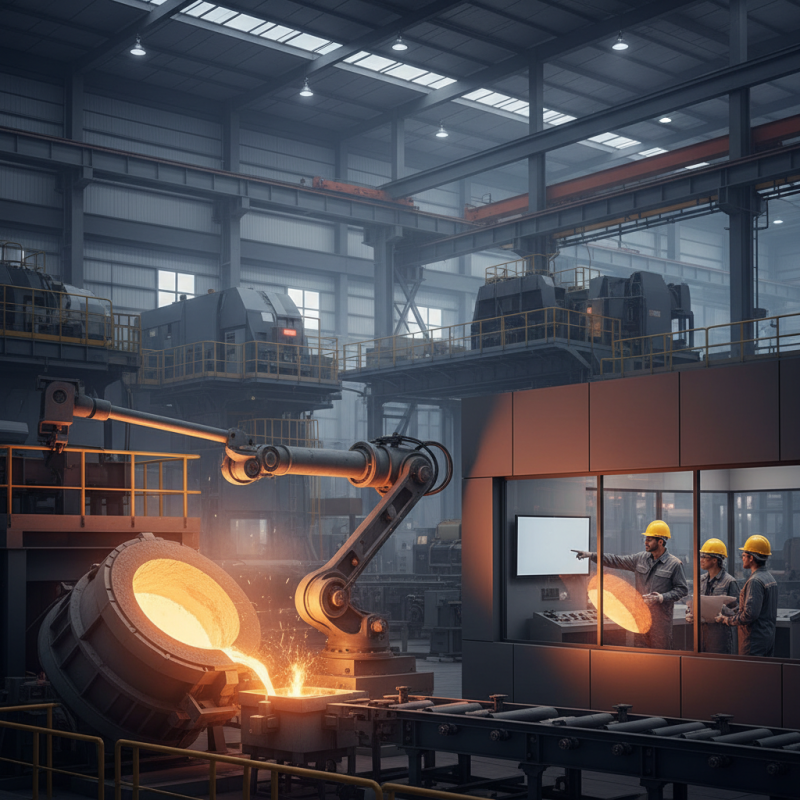
In many industries, a melting furnace plays a crucial role. It is designed to melt metals and other materials for various applications. The efficiency and reliability of these furnaces can significantly impact production quality. Poorly performing furnaces may lead to unsatisfactory results and increased operational costs.
Selecting the right melting furnace involves understanding your specific needs. Factors such as the type of material, production volume, and energy efficiency should be considered. An improperly chosen furnace can waste energy and time, leading to frustration. Small differences in temperature control can affect the final product.
It's essential to regularly assess your melting furnace. Over time, wear and tear may reduce its effectiveness. This is often ignored until production issues arise. Evaluating your furnace's performance can help identify areas for improvement. In the fast-paced industrial environment, staying proactive is necessary.
| Feature | Importance | Industry Applications | Efficiency Rating |
|---|---|---|---|
| Temperature Control | Ensures consistent melting quality | Metal Fabrication, Jewelry Making | High |
| Energy Efficiency | Reduces operational costs | Foundries, Scrap Recycling | Very High |
| Safety Features | Protects workers and equipment | Metal Casting, Industrial Heating | Moderate |
| Size and Capacity | Accommodates various production scales | Glass Manufacturing, Alloy Production | Variable |
| Automation Features | Enhances process efficiency | Forging, Die Casting | High |
When selecting a melting furnace, several critical factors should guide your decision. Efficiency is paramount. Industry studies indicate that the best units can achieve energy savings of up to 30%. This can significantly impact operational costs over time. Evaluating the furnace's thermal efficiency provides insight into its performance and cost-effectiveness.
Another important aspect is versatility. Different materials require specific melting temperatures and processes. For instance, aluminum melts at around 660°C, while cast iron requires more than 1200°C. A flexible furnace capable of handling various materials can enhance productivity. Additionally, consider the furnace's capacity. A report from the Welding and Metal Fabrication market indicates that larger furnaces can process higher volumes, thus improving throughput.
Safety features cannot be overlooked. A melting furnace should be designed with numerous safety mechanisms, minimizing risks to operators. Facilities with robust safety protocols experience fewer accidents. Regular maintenance and inspections can reveal issues before they lead to hazardous situations. Even the most advanced furnaces require scrutiny to maintain optimal performance. Choosing wisely based on these factors ensures that your investment supports your business's growth and safety.
When selecting a melting furnace, understanding the types available and their applications is crucial for business efficiency. There are several types of melting furnaces, including induction, electric arc, and crucible furnaces. Each type serves different purposes and industries. Industrial data shows that the global demand for melting furnaces is projected to reach over over $4 billion by 2025. This indicates a rising need for specialization in melting technologies.
Induction furnaces are popular for their efficiency and ability to melt metals quickly. They are widely used in foundries and metalworking shops. Electric arc furnaces are favored in steel production due to their ability to handle large batches. However, their energy consumption can be high, prompting concerns about sustainability. On the other hand, crucible furnaces are often used for precious metals and small-scale applications, but their low melting capacity may not suit all industries.
Finding the right furnace requires careful consideration of operational costs, energy efficiency, and production needs. Companies must assess their melting requirements and potential growth. Investing in equipment aligned with industry standards can enhance production quality. However, overestimating capacity or underestimating maintenance could lead to inefficiencies. The decision should balance immediate business needs with long-term goals.
Choosing the right melting furnace is crucial for any manufacturing business. An efficient furnace can significantly impact production costs and output quality. Cost-effectiveness is not merely about the initial purchase price. It’s essential to understand operational costs related to energy consumption and maintenance.
Efficiency plays a vital role in how quickly and uniformly materials melt. A furnace with better thermal control can save energy, reducing long-term operational expenses. Consider the power source; electric furnaces often provide better precision than gas models. However, natural gas may be cheaper in some regions.
Tips: Assess the required capacity before purchasing. A furnace that’s too large wastes energy. Research material compatibility to avoid damage and inefficiency. Regular maintenance is key; it can help you catch issues before they escalate, saving both time and money.
Businesses should evaluate their unique needs. Sometimes, the cheapest option leads to higher operational costs. It’s worth investing in a furnace with advanced technology, even if it seems costly initially. Look for options, but never compromise on quality for price. Remember, the furnace’s performance will reflect on your end products.
When operating a melting furnace, maintenance and safety must be key priorities. Regular inspections are essential. Operators should check for signs of wear and tear. This includes brick linings in the furnace and the integrity of safety equipment. Such checks can prevent small issues from becoming major hazards.
Proper training for all team members is crucial. Workers should understand the furnace's operation. They must know how to respond in case of emergencies. Fire safety protocols are a must. Regular drills can help ensure that everyone knows their roles. Equipment should be easily accessible to allow for quick responses.
Safety guards and monitoring systems play an important role. They help avoid accidents related to overheating or improper use. Documentation of maintenance records also helps track the furnace's condition. These records provide insights into recurring problems and can guide future improvements. Investing time in maintenance may seem tedious, but it ultimately leads to a more reliable and safe work environment.
This bar chart illustrates the importance level of various factors when choosing a melting furnace for business needs. Key considerations include efficiency, safety, maintenance cost, temperature control, and energy consumption, ensuring that businesses make informed decisions in selecting the right melting furnace.
We are here to help you with all your queries and concerns, just write to us using the below form and we will get back to you as soon as we can.