Choosing the right pump to pump water is crucial for efficiency and effectiveness. The market offers various options, making the decision challenging. From submersible pumps to centrifugal designs, each serves a unique purpose. Understanding your specific needs helps narrow your options.
Consider the water source and the distance involved. A pump to pump water from a well requires different specifications than one for a garden. Efficiency also plays a significant role. Poor choices can lead to wasted energy and higher bills. It's essential to analyze flow rates and head requirements meticulously.
Every decision comes with a level of uncertainty. You may face unexpected issues, such as improper sizing or unsuitable materials. Such challenges can hinder performance and cause frustration. Reflecting on past experiences can help guide you. Knowledge gained from mistakes is invaluable when choosing the right pump.
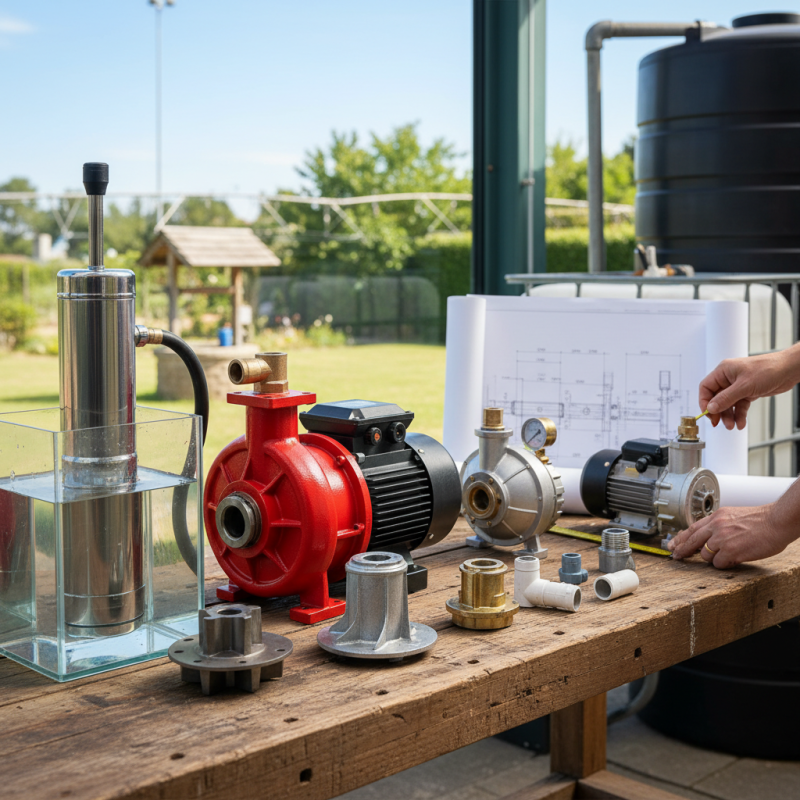
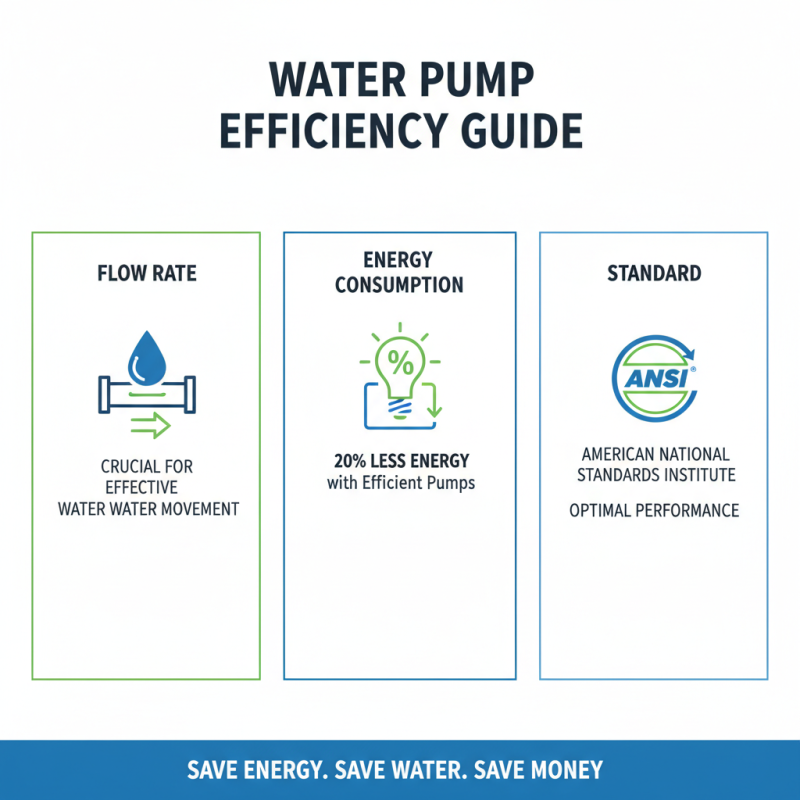
When selecting a water pump for efficiency, several factors must be taken into account. The pump's flow rate is crucial. An optimal flow rate ensures that water is moved effectively for various applications. According to the American National Standards Institute (ANSI), the flow rate can significantly impact energy consumption, with efficient pumps using 20% less energy than their less efficient counterparts.
Another vital factor is the pump's head, which is the height it can lift water. The Hydraulic Institute reports that choosing the correct head measurement can enhance performance greatly. If the head is too high or too low, the pump may operate inefficiently, wasting energy. Additionally, the type of pump—centrifugal or positive displacement—affects efficiency levels depending on your specific needs.
Operating conditions also play a role in pump efficiency. Factors like temperature, viscosity, and the presence of sediments can influence the choice of pump. A miscalculated environment can lead to unexpected maintenance issues and increased costs over time. It’s essential to assess these conditions thoroughly, as even small oversights can lead to significant inefficiencies.
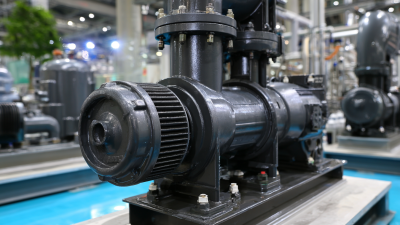
When selecting a water pump, understanding its types and applications is crucial. Centrifugal pumps are popular for moving large volumes of water. They work well in irrigation systems and swimming pools. However, these pumps can struggle with thick fluids or high-viscosity liquids. It's important to consider the specific task at hand.
Positive displacement pumps are another option. They excel in pumping thick liquids and are often used in applications like oil extraction and chemical transfer. But they can be inefficient for low-viscosity fluids, which may lead to operational issues. Each type of pump has its advantages and drawbacks, making it essential to match the pump wisely to the job.
Diaphragm pumps are useful for applications requiring precise control. They are excellent for transferring chemicals and other sensitive fluids. However, they may not be ideal for all types of water applications. The choice should reflect the specific needs of the project. Understanding the details of each type can help avoid costly mistakes. Balancing efficiency and effectiveness is key when choosing the right pump.
When selecting a pump, understanding flow rate and head is crucial. Flow rate measures how much water a pump can move in a specific time. It's usually expressed in gallons per minute (GPM) or liters per minute (LPM). A higher flow rate moves more water quickly. However, too much flow can lead to wasted energy. Balance is key.
Head refers to the pump's ability to lift water. It’s measured in feet or meters. A pump with a high head can raise water from a deeper source. This is vital for applications with significant elevation changes. But a pump designed for high head may compromise flow rate. Finding the right balance is often tricky.
Choosing the best pump requires careful consideration. Many people rush in, focusing solely on flow rate. They forget about the head. This mistake can lead to inefficient operation. Sometimes, it may be necessary to make trade-offs based on specific needs. Reflect on your requirements and environment before making a decision. This reflection can help you avoid costly errors in the long run.
| Pump Type | Flow Rate (GPM) | Max Head (Feet) | Efficiency (%) | Power Requirement (HP) |
|---|---|---|---|---|
| Submersible Pump | 50 | 100 | 80 | 1.5 |
| Centrifugal Pump | 75 | 120 | 85 | 3.0 |
| Diaphragm Pump | 30 | 50 | 75 | 2.0 |
| Gear Pump | 40 | 70 | 78 | 1.0 |
| Positive Displacement Pump | 20 | 40 | 82 | 1.5 |
Pumps are essential for water transfer.
Understanding energy consumption helps in choosing the right pump. Efficiency ratings reflect how well a pump converts energy into work.
Higher efficiency means less electricity used. This can lead to significant cost savings over time.
Look at the pump's efficiency label. Check the energy use per gallon. A higher number indicates more efficient performance. However, not all high-rated pumps are perfect for every situation.
Consider the specific needs of your project. A pump operating at peak efficiency may not suit lower flow requirements.
Sometimes, the most expensive options don’t yield the best results.
Always remember, over-pumping wastes energy. It's essential to match your pump to your requirements.
Analyze your water needs accurately. Investments in efficient pumps can seem high at first. Yet, their long-term savings can outweigh initial costs.
Balancing efficiency and application is key to a successful choice. Reflect on your needs before making a purchase decision.
When it comes to water pumps, regular maintenance is key to ensuring optimal performance. According to a report from the Water Systems Association, poorly maintained pumps can lose up to 30% of their efficiency. Simple checks, like inspecting seals and replacing worn-out parts, go a long way.
Here are some tips. Keep your pump clean. Debris can clog filters and strain the motor. Check the oil levels regularly. If the oil is low or dirty, it can cause major issues. A regular inspection schedule is crucial. Try to inspect your pump at least every six months.
Pay attention to unusual noises during operation. These might indicate wear or misalignment. Keeping records of maintenance can help identify recurring issues over time. Many overlook this step, but it can prevent bigger problems. Small issues can lead to costly repairs if not addressed promptly.
We are here to help you with all your queries and concerns, just write to us using the below form and we will get back to you as soon as we can.