
Choosing the right Broiler Cage System is crucial for any poultry farm. This decision impacts productivity, efficiency, and overall farm management. A suitable system can ensure that your birds are healthy and your operations are cost-effective. However, with so many options available, making an informed choice can be daunting.
There are several factors to consider when selecting a Broiler Cage System. The size and layout of your farm play significant roles. Additionally, the welfare of the birds should remain a priority in your decision-making process. It's essential to weigh both the initial investment and long-term operational costs. Remember, not all systems are created equal.
Reflecting on past choices can provide valuable insights. Many farmers have experienced challenges with improper systems. Learning from these experiences can bolster your understanding. The right Broiler Cage System can lead to more productive flocks and improved profitability. Always seek advice from industry experts to gain a well-rounded perspective before committing to a system.
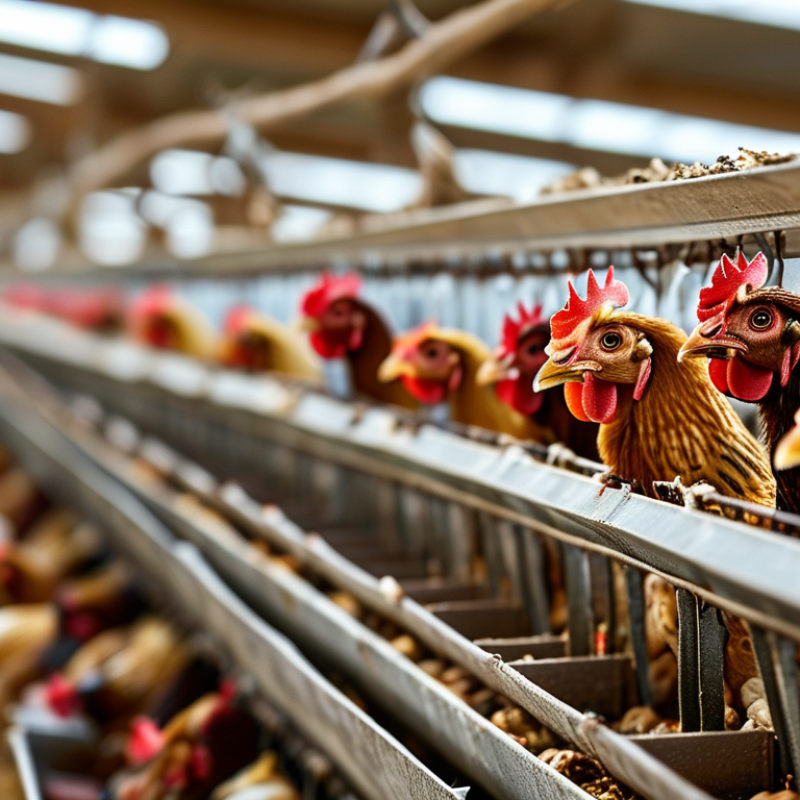
In poultry farming, broiler cage systems play a crucial role in optimizing productivity. Recent reports indicate that farms using modern cage systems see up to a 20% increase in feed efficiency. This is significant, as feed costs often make up more than 60% of overall production expenses. Efficient feeding translates directly into healthier birds and improved profitability.
Cage design and space allocation must be carefully considered. Research shows overcrowding can lead to stress and disease, decreasing overall flock performance. For instance, a well-designed system offers 0.75 square feet per bird, significantly contributing to their well-being. Not paying attention to space can lead to negative outcomes, both ethically and economically.
Moreover, maintaining proper ventilation and lighting in these systems is essential. Studies reveal that birds in well-lit environments exhibit better growth rates. However, implementing these features can be challenging and requires thoughtful planning. Identifying the right cage system for a farm involves balancing many factors, from bird welfare to cost implications. Continuous learning and adjustments in approach are necessary to keep up with evolving best practices in poultry management.
Selecting the right broiler cage system for your farm involves several critical factors. Space allocation is paramount. Research shows that each broiler requires about 0.1 square meters in a cage. However, overcrowding can lead to stress and health issues. Keeping chickens in optimal space can enhance their growth rate and overall welfare.
Another vital consideration is ventilation. Proper airflow reduces ammonia buildup and ensures healthier birds. Studies indicate that a well-ventilated cage system can lower mortality rates by up to 15%. Environmental control is essential. Monitor temperature and humidity levels for optimal conditions.
Finally, think about the overall design and ease of management. Systems that allow for simple cleaning and maintenance can save time and labor costs. There is also a growing emphasis on welfare standards. Many farmers are reflecting on the ethical implications of their farming practices. The choice of broiler cage system directly impacts not just the farm's efficiency but also societal perceptions of poultry farming.
Choosing the right broiler cage system is crucial for farm productivity. Different systems offer unique advantages. For example, traditional battery cages are often less expensive and suitable for smaller operations. However, their space limitations can impact the birds' development. On the other hand, enriched cages provide more space and social interaction, which can lead to healthier birds. Still, they require a higher initial investment and maintenance.
When evaluating cage systems, consider the scale of your operation. Larger farms might benefit from automated systems that reduce labor. These systems can improve efficiency but may come with a steep learning curve. It's vital to weigh the costs against potential productivity gains. Some farmers find it difficult to adapt to new technologies. Ensure that adequate training is available before implementing new systems.
Tips: Always assess the space requirements for the birds. Overcrowded conditions can lead to stress and health issues. Take note of local regulations regarding animal welfare. It’s important to keep compliance in mind. Don’t overlook the long-term maintenance costs when selecting a cage type. Make a checklist of your specific needs and revisit it regularly.
Choosing the right broiler cage system for your farm involves careful consideration of space requirements and stocking density. Space plays a crucial role in the growth and health of your broilers. Each bird requires a specific amount of space to thrive. Overcrowding can lead to stress, poor growth, and higher mortality. As a farmer, understanding the ideal space parameters is essential.
Stocking density varies based on breed, age, and production goals. A higher density might seem appealing for maximizing output but can compromise animal welfare. Reducing density can enhance growth rates and overall health. Observations in your farm environment can offer valuable insights. Pay attention to the behavior and health of your birds.
Balancing space and stocking density is an ongoing process. Regular evaluations are critical. You might find some systems initially promising but need adjustments over time. Unexpected challenges may arise. It’s important to stay flexible and adapt your strategies. Seeking expert advice can provide additional perspectives. Ultimately, observing how your broilers respond will guide your decisions moving forward.
Choosing the best broiler cage system for your farm involves several economic considerations. Cost-effectiveness is a crucial factor that impacts your bottom line. Investing in a quality broiler cage system can enhance productivity and overall efficiency. However, initial costs are only part of the equation. Long-term maintenance and operational expenses must be factored in as well.
The design of the cage system can significantly influence costs. A well-designed system can maximize space and reduce wasted resources. It is essential to ensure proper ventilation and access to feeders and water. While these features may increase upfront costs, they can lower overall feed consumption and improve growth rates. Poorly designed systems can lead to complications. Farmers often overlook this aspect, leading to higher costs down the line.
Labor costs should not be ignored. Automated systems may require less manpower, reducing labor expenses. However, these systems can have high initial costs. Some farmers might hesitate to invest. It's vital to weigh the benefits of labor savings against the cost of automation. Gathering data from existing farm operations can guide decisions, as every farm's situation is unique. Reflecting on past purchases and their outcomes can provide invaluable insights for future investments.
We are here to help you with all your queries and concerns, just write to us using the below form and we will get back to you as soon as we can.