
How to Choose the Best Forklift Collision Detection System?

In the busy world of warehouses and distribution centers, safety remains a top concern. Forklift accidents can lead to significant injuries and financial losses. According to the Occupational Safety and Health Administration (OSHA), nearly 20,000 forklift-related injuries occur annually in the U.S. alone. This startling statistic highlights the need for effective safety solutions, particularly Forklift Collision Detection Systems. These systems are designed to reduce accidents by detecting potential collisions in real-time.

Investing in a reliable Forklift Collision Detection System not only enhances safety but also promotes operational efficiency. A study by the National Safety Council revealed that companies implementing such systems reduced accident rates by nearly 50%. However, many businesses hesitate to choose the right system. Factors like compatibility, technology deployment, and user training often complicate decision-making. Businesses must critically evaluate their specific needs and seek advice from industry experts.

Choosing the best Forklift Collision Detection System is more than a budget consideration; it’s a commitment to safety and efficiency. With numerous options available, companies should approach this decision with careful thought and reflection. Implementing the right system can ultimately save lives and improve overall workplace morale.
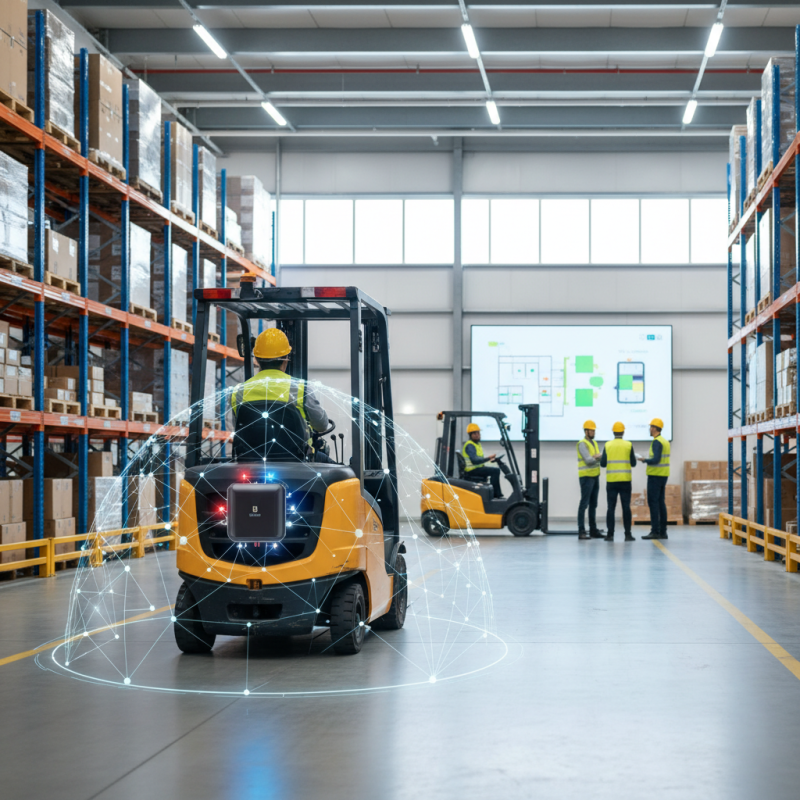
How to Choose the Best Forklift Collision Detection System?

Understanding Forklift Collision Detection Systems and Their Importance

In busy warehouses, forklift collisions are a significant concern. Studies show that they account for approximately 25% of all warehouse accidents. These incidents can lead to injuries, liability issues, and costly downtime. Understanding how collision detection systems work is crucial for enhancing safety protocols. These systems use sensors and cameras to detect obstacles and alert operators in real-time.

Implementing a reliable collision detection system can reduce incidents dramatically. According to a report by the National Institute for Occupational Safety and Health, proper systems can cut accidents by 30%. However, it’s essential to recognize that not all systems are equally effective. The effectiveness of these technologies can vary based on the environment and the specific forklift model. Regular evaluations of system performance are necessary to ensure ongoing safety.

Choosing the right system requires careful consideration. Look for technology that offers real-time alerts and integrates seamlessly with existing operations. Some systems may have limitations in specific conditions, such as low light or high traffic. Understanding these nuances can help organizations make informed decisions. It’s also vital to provide proper training for operators, ensuring they understand how to leverage these systems effectively. Recognizing that technology is not a one-size-fits-all solution can lead to more tailored and effective safety measures.

Forklift Collision Detection System Features Comparison

Key Features to Look for in Collision Detection Technology

When selecting a forklift collision detection system, focus on its key features. An effective system enhances safety, reduces accidents, and limits downtime. According to a report by the Occupational Safety and Health Administration (OSHA), up to 70% of forklift accidents involve collisions. Thus, choosing the right technology is crucial.

The best systems integrate advanced sensors and alerts. Look for options that feature real-time data processing. This allows operators to receive immediate warnings about potential hazards. Additionally, a user-friendly interface increases response times, reducing human error. Some systems can automatically slow down the forklift or stop it entirely if a collision is imminent.

Furthermore, consider systems that support data analytics. They can analyze patterns in past accidents to identify risks. A report from the National Safety Council highlights that organizations utilizing data-driven safety measures see a 30% reduction in incidents. However, not all technologies are foolproof. Regular testing and updates are necessary to maintain effectiveness. It's essential to reflect on any limitations in the chosen system. Balancing technology and human oversight is key to creating a safer working environment.

Evaluating the Types of Forklift Collision Detection Systems Available

When evaluating forklift collision detection systems, it's essential to consider various types available on the market. Most systems fall into two main categories: active and passive technologies. Active systems use sensors to detect potential collisions. They alert operators through alarms or visual signals. On the other hand, passive systems often include reflective surfaces that rely on human awareness to avoid accidents. According to a 2022 industry report, 30% of warehouse incidents involve forklift collisions. This makes investing in effective systems crucial for safety.

Another factor to consider is technology integration. Some systems are standalone, while others can be integrated with warehouse management software. For instance, GPS-based systems track and analyze the movement of forklifts. They provide valuable data on vehicle interactions. Analytics generated by these systems can lead to improved operational safety. However, the accuracy of data is sometimes questioned. A 2023 study revealed that only 70% of operators trust the collision data provided by their systems.

Lastly, consider the ease of installation and maintenance. Many systems require minimal setup. Still, continuous monitoring and updates may be necessary. Reliable systems often include user training and support. Nevertheless, ongoing costs can be a concern for some businesses. Organizations should weigh the benefits of enhanced safety against potential expenses. Balancing these factors can lead to a more informed choice.

Assessing the Integration of Systems with Existing Equipment

Choosing the right forklift collision detection system involves careful consideration of your existing equipment. Integration is crucial. A system that works seamlessly with your current machinery improves safety without disruption.

Evaluate how different technologies will fit into your operational workflow.

Testing is key. Conduct trials in real work environments. This helps identify any potential hiccups. You need to confirm compatibility with your forklifts and surrounding structures. Some systems may require extensive modifications, increasing costs and time.

Tips: Look for systems with adjustable settings. This ensures customization for your specific needs. Also, consider user feedback from similar facilities. Real-world insights can guide your decision. It's okay for some options to not meet all criteria.

Reflect on these gaps to refine your choices. Prioritize systems that offer reliable support and updates. They can adapt as technology evolves, keeping your operations safe and efficient.

Cost Considerations and Budgeting for Collision Detection Solutions

When it comes to selecting a forklift collision detection system, cost plays a central role. Several factors influence the overall expense, from system complexity to installation. Companies must assess not only the upfront costs but also ongoing maintenance and training expenses. Investing in a reliable system can prevent costly accidents down the road.

Budgeting requires careful analysis. A clear understanding of your operational needs will help tailor your investment effectively. Many systems offer tiered options, each with different features and price ranges. Explore the potential return on investment (ROI) by considering reduced downtime and lower insurance premiums associated with enhanced safety measures.

Tips: Identify your most significant risks. This can help prioritize which features to include. Consult with professionals to receive realistic estimates. Lastly, consider integrating technology that offers scalable solutions. Avoid going for the cheapest option; it may result in additional costs later. Make thoughtful choices to ensure long-term benefits.

Our dedicated sales and support staff are here to help you identify the ideal pump solution for your needs.

Contact Us