
How to Choose the Best Solar Roof Mounts for Your Needs?

Selecting the right Solar Roof Mounts is crucial for optimizing solar panel performance. According to a report by the National Renewable Energy Laboratory (NREL), the proper mounting system can increase energy efficiency by up to 20%. This highlights the importance of carefully assessing your needs when choosing a mount.

Each type of Solar Roof Mount has its unique benefits and considerations. For example, fixed mounts are cost-effective but may limit optimal exposure to sunlight. On the other hand, adjustable or tracking mounts can enhance energy capture, yet they come at a higher price point. Understanding these differences is vital for making an informed decision.

Additionally, user feedback often highlights challenges such as installation difficulties and compatibility with various roof types. Some mounts may not fit well on certain surfaces, leading to performance issues. It's essential to weigh these factors against the projected benefits. Being informed will help ensure that you select the best Solar Roof Mounts for your specific requirements.
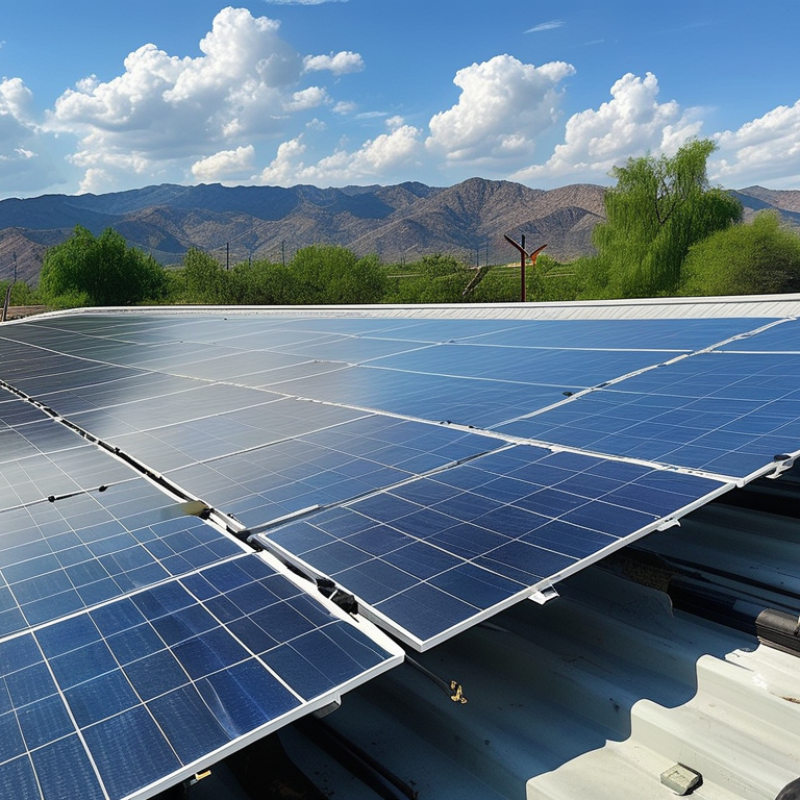
How to Choose the Best Solar Roof Mounts for Your Needs?

Understanding the Different Types of Solar Roof Mounts Available

When evaluating solar roof mounts, understanding the types available is crucial. One common type is the flush mount. This option attaches directly to the roof, providing a sleek look. It’s essential for regions with low wind and minimal snow. However, you might face limitations in adjusting angles for optimal sun exposure.

Another popular choice is the tilt mount. This design allows for angle adjustments, enhancing energy capture. It's beneficial in areas with frequent shading from trees or buildings. Yet, the installation can be more complex, requiring a solid foundation to ensure stability. This makes tilt mounts less ideal for roofs with structural concerns.

Ground mounts are also worth exploring. These allow for easy adjustments and maintenance accessibility. However, they require ample space and may not suit every property. Each type of mount has its unique advantages and challenges. A thorough assessment of your roof's condition and local conditions can lead to better decision-making. Balancing aesthetics, functionality, and cost will help you find the best solar roof mount for your needs.

How to Choose the Best Solar Roof Mounts for Your Needs?

Mount Type Material Installation Type Tilt Angle Cost (Approx.)
Flush Mount Aluminum Roofs with Sloped Surface 0° - 15° $100 - $300
Tilt Mount Steel Flat Roofs 15° - 45° $200 - $500
Ground Mount Aluminum/Steel Open Land Adjustable $300 - $800
Ballasted Mount Plastic/Concrete Flat Roofs Variable $250 - $600
Railing Mount Aluminum Commercial Roofs Standard $150 - $400

Factors to Consider When Choosing Solar Roof Mounts

When selecting solar roof mounts, consider several critical factors. The type of roof you have plays a significant role. Not all mounts are suitable for every roof style. For example, flat roofs require different mounting systems compared to sloped roofs. The material of your roof, whether it's asphalt, metal, or tile, will also influence your choice. Each material interacts differently with mounting systems, impacting durability and efficiency.

Additionally, analyze the local climate and weather conditions. Areas with heavy snow or strong winds need robust mounts that can withstand these elements. Look for mounts that have a high wind rating and robust construction to ensure safety and longevity. Installation complexity is another consideration. Some mounts are easier to install than others, impacting labor costs. If you’re planning a DIY approach, ensure you understand the installation requirements fully.

Budget constraints are always present. Evaluate the cost versus the long-term benefits of each mount type. While investing in high-quality mounts may seem expensive initially, they often provide better performance and durability, reducing future replacement needs. Reflection on these factors can guide you in choosing the best solar roof mounts that meet your specific needs. Doing thorough research will empower your decision-making process.

Comparing Fixed, Adjustable, and Tracking Mounting Systems

When selecting solar roof mounts, consider fixed, adjustable, and tracking systems. Each option has distinct advantages and challenges. Fixed mounts are economical and easy to install. They provide stability and require minimal maintenance. However, they may not capture optimal sunlight during certain times of the year.

Adjustable mounts offer flexibility. They can be repositioned to maximize sun exposure. This feature is beneficial in changing seasons or shifting sunlight. Yet, adjusting these systems requires additional effort and may lead to mechanical wear over time. Users may find the balance between convenience and effort challenging.

Tracking systems promise the highest efficiency. They move with the sun, ensuring maximum energy capture throughout the day. The technology is impressive, yet it often comes with a higher initial investment. Complexity can lead to maintenance concerns that some users might overlook. Choose wisely. Each category requires careful consideration of budget, installation space, and long-term goals.

Comparing Solar Roof Mount Systems

Evaluating Material Durability and Weather Resistance of Mounts

When selecting solar roof mounts, understanding material durability and weather resistance is crucial. Different materials offer varying levels of resilience. Aluminum, for example, is lightweight and corrosion-resistant, making it a popular choice. Steel mounts provide strength and durability but may require additional coatings to prevent rust. Selecting the right material can significantly impact the lifespan of your solar system.

Weather resistance is another essential factor. Roof mounts must withstand various environmental conditions, including high winds, heavy rainfall, and snow loads. Failure to consider this can lead to costly repairs or replacements. It is essential to evaluate the performance ratings of mounts for these conditions. Look for mounts tested for wind uplift and load-bearing capacity. This helps ensure that your installation remains secure over time.

However, not all mounts perform equally. Some cheaper options may lack proper testing. Investing in higher-quality mounts can lead to long-term savings and peace of mind. It’s worth reflecting on your specific climate and installation conditions when making a decision. Each roof has unique challenges that need to be addressed. Proper research and consideration can greatly influence the longevity and effectiveness of your solar energy system.

Installation Requirements and Compatibility with Your Roof Type

When selecting solar roof mounts, understanding your roof type is crucial. Different roofs require specific mounting systems. For instance, asphalt shingles, metal roofs, and flat roofs each have unique needs. This compatibility ensures that the mounts securely attach and withstand different weather conditions. It's essential to assess your roof slope as well. A steep roof may need different mounting angles compared to a flat one.

Installation requirements also play a significant role. Professional installation can sometimes be necessary, especially for more complex roof types. Consider how your chosen mounts will integrate with the existing structure. Some mounts might require additional support or modifications to your roof. Proper planning can prevent future leaks or damage, but not everyone may consider this aspect before installation.

Lastly, remember to research local building codes and guidelines. They can affect what types of mounts you can use. Failure to comply may lead to costly fines or require you to redo your installation. While solar roof mounts are a great investment, potential oversights should be addressed. Taking the time to choose the right product for your roof can make a significant difference in long-term reliability and efficiency.

Our dedicated sales and support staff are here to help you identify the ideal pump solution for your needs.

Contact Us