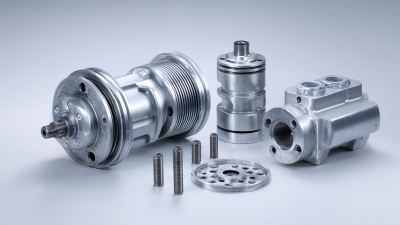
In the world of fluid mechanics, selecting the right gear pump spare parts is crucial for securing optimal performance. Expert John Smith, a lead engineer at Fluid Dynamics Corp, emphasizes, “Quality spare parts can make or break your pump’s efficiency.” This statement captures the essence of ensuring durability and effectiveness in operations.
When gears wear down, performance diminishes. Choosing appropriate spare parts can be daunting. Each component, from bearings to seals, plays a vital role in the operation of gear pumps. The right fit not only prolongs equipment life but also enhances productivity.
Yet, many overlook the intricacies involved in this selection process. Proper research is essential, but tasks can feel overwhelming. Understanding specifications and compatibility is no easy feat. Many professionals learn the hard way, facing downtime or increased costs due to improper parts. Balancing quality and budget further complicates the decision-making. Thus, engaging with experts and accessing reliable resources is paramount.
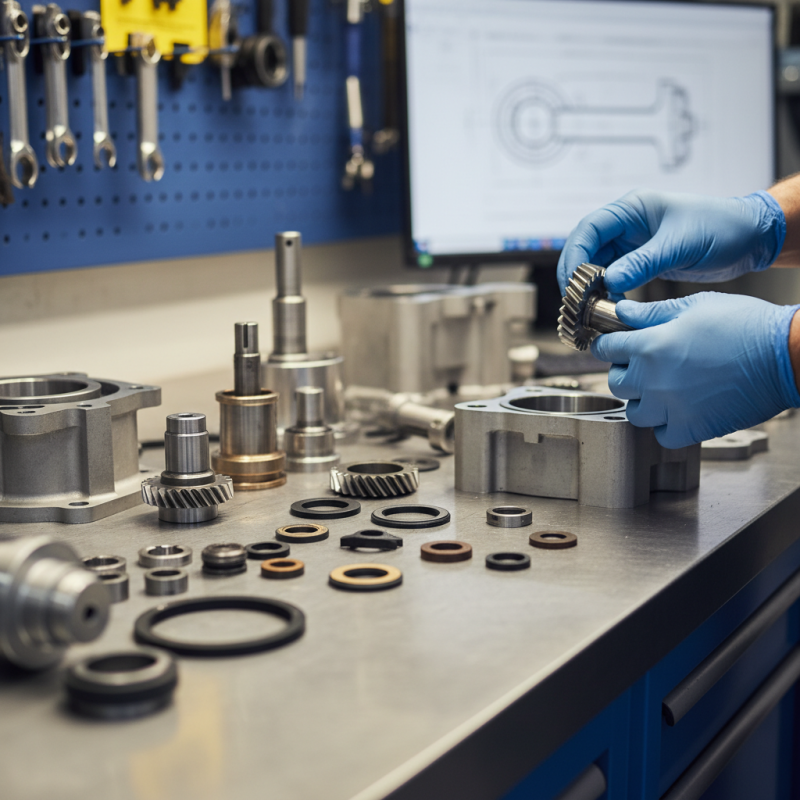
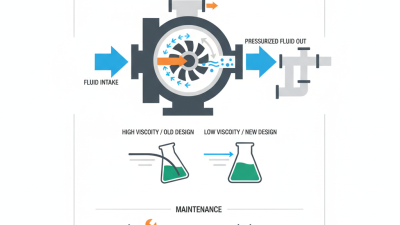
Gear pumps play a critical role in many industrial applications, efficiently transferring liquids in various environments. According to the Hydraulic Institute, about 60% of industrial fluid transfer systems utilize gear pumps. Their efficiency and reliability make them a popular choice. However, understanding their mechanics is vital for optimal performance.
Choosing the right spare parts for gear pumps can significantly impact their operation. Wear and tear on components like gears and bearings can reduce efficiency. Reports show that proper maintenance can prevent up to 80% of potential failures. Industries must consider factors such as viscosity and temperature of the fluid being pumped. Ignoring these factors can lead to inefficiencies.
Inadequate spare part selection can cause downtime in production processes. Manufacturers often overlook the specific material properties needed for harsh environments. This oversight can lead to leaks or complete pump failure. Industry studies highlight the importance of using high-quality components, which can extend the gear pump's lifecycle significantly. Investing time in research can pay off in long-term reliability and efficiency.
When selecting spare parts for gear pumps, certain key indicators play a crucial role in ensuring optimal performance. Consider the material compatibility first. The pump’s environment often dictates the best choice. For instance, high-temperature fluids may require specialized seals. Inadequate material selection can lead to premature failure, costing time and money.
Also, pay attention to tolerance levels. Precision in dimensions significantly influences the pump's efficiency. Parts that fit too loosely or too tightly create wear over time, impacting flow rates. Regular inspection can help identify parts that are out of tolerance. Remember, inconsistent performance can stem from neglected spare parts.
Finally, evaluate the manufacturer's specifications. Understanding how each part fits into the whole system is vital. Not all parts are interchangeable, even if they look similar. Investing in high-quality spare parts is necessary. This ensures durability and reliability in the long term. A thoughtful selection process ultimately minimizes unexpected downtime.
When selecting gear pump spare parts, material choice is crucial for maintaining performance. The right material ensures compatibility with fluids and durability under pressure. Common materials include metals and plastics, each offering unique benefits.
Metals like stainless steel withstand high pressure and temperature. However, they may corrode when exposed to certain chemicals. Familiarity with these properties is essential for effective selection.
Plastics, such as nylon or polycarbonate, provide resistance to corrosion. They can be lightweight and flexible, but longevity might be a concern under extreme conditions. Consider how frequently parts will need replacement. Regular inspections can help catch wear and tear early. It’s important to acknowledge the limitations of different materials. Sometimes, a less expensive part might lead to higher costs in the long run.
Compatibility with the working environment is another vital factor. Factors like fluid viscosity and temperature influence material performance. If the selected material doesn’t suit the application, it can lead to inefficiencies. Understanding the specific application of the gear pump is essential for optimal performance. Emphasizing the need for careful consideration can save time and resources.
Maintaining gear pump performance requires attention to spare parts and their condition. Regularly inspect components like gears, shafts, and seals. These parts can wear over time, leading to inefficiencies. Identifying early signs of wear can save costs later. Monitor any unusual noise or vibration; this often indicates a problem.
Lubrication is vital for optimal operation. Providing the correct type and amount of lubricant is crucial. Check for contaminants regularly. Even small particles can cause significant damage. Ensure that the lubricant meets the gear pump's specifications. Too thick or too thin lubricant can hinder performance.
Consider the environment where the pump operates. High temperatures or exposure to chemicals can accelerate wear. Protect your pump by installing appropriate filters. Use protective covers and careful handling to prevent physical damage. Regular maintenance checks can help identify areas needing improvement. Reflecting on your maintenance process can drive better performance.
| Spare Part | Material | Compatibility | Maintenance Tips | Replacement Interval |
|---|---|---|---|---|
| Gear Set | Steel / Composite | Model A/B/C | Check for wear every 500 hours | Every 2000 hours |
| Seals | Nitrile / Viton | All Models | Inspect for cracks regularly | Every 1000 hours |
| Motor | Aluminum / Steel | Model B/C | Lubricate bearings every 500 hours | Every 3000 hours |
| Pump Shaft | Stainless Steel | Model A/C | Check alignment frequently | Every 2500 hours |
| Pump Housing | Cast Iron / Aluminum | All Models | Inspect for cracks and corrosion regularly | Every 5000 hours |
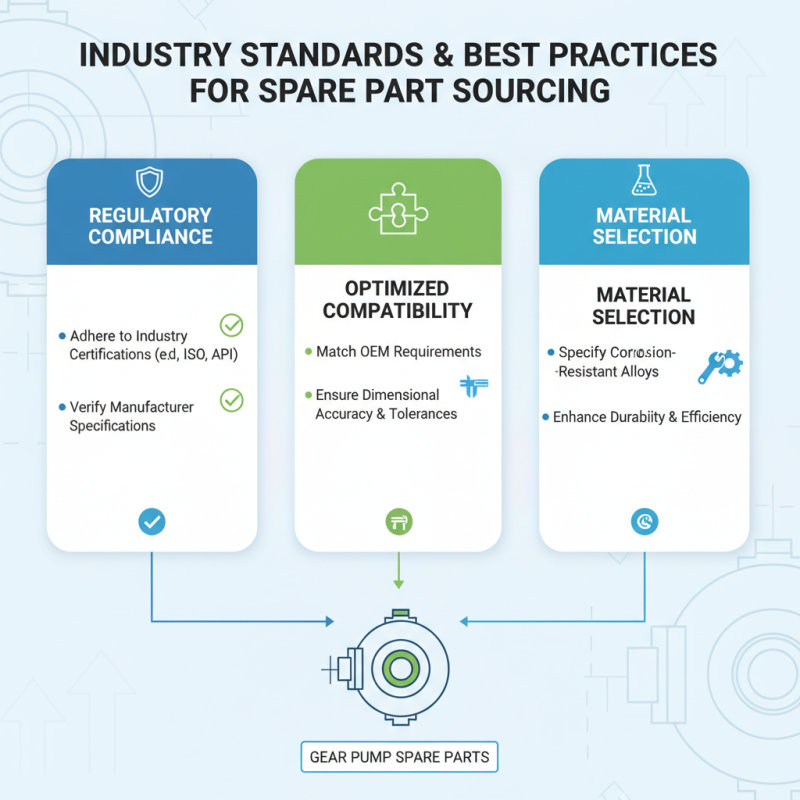
When sourcing spare parts for gear pumps, adhering to industry standards is essential. Ensure the parts meet specifications set by established regulatory bodies. Assessing these standards allows for optimized compatibility and performance. Understanding the material requirements is equally important, as the right components can significantly enhance durability and efficiency.
Pay attention to supplier certifications. Reliable suppliers should display industry-recognized certifications. This indicates that their products have undergone rigorous testing and meet quality benchmarks. Research potential suppliers thoroughly. Sometimes, lesser-known providers offer exceptional value and reliability, yet for high-stakes operations, established names might provide better safety.
Tips for sourcing spare parts: Always request documentation verifying compliance with standards. Ask for samples before committing to large orders. Don’t hesitate to inquire about their sourcing processes and quality control methods. Evaluate the lead times and availability of parts. Balancing cost and quality is crucial. Remember, the cheapest option may not always be the best choice. Reflect on past experiences to discern reliable partners from less dependable ones. Revisit your sourcing strategy regularly to align with evolving industry practices.
We are here to help you with all your queries and concerns, just write to us using the below form and we will get back to you as soon as we can.