
How to Choose the Right Hdpe Pipe for Your Project?

When embarking on a new project, the importance of choosing the right HDPe Pipe cannot be overstated. HDPE pipes are renowned for their durability and efficiency. They resist corrosion and can withstand harsh environmental conditions. However, not all HDPE pipes are created equal. Understanding the specific requirements of your project is crucial.

Consider factors like pipe size, pressure ratings, and installation methods. Each project has unique needs. Selecting the wrong type can lead to costly mistakes. It is essential to evaluate the material's specifications thoroughly. Look for industry certifications that ensure reliability and performance. Expert recommendations can greatly enhance your decision-making process.

In many cases, professionals overlook small details that significantly impact performance. Investing time in research pays off in long-term benefits. The right Hdpe Pipe can ultimately make or break a project. Take the time to analyze all options carefully. Making informed choices leads to successful outcomes.
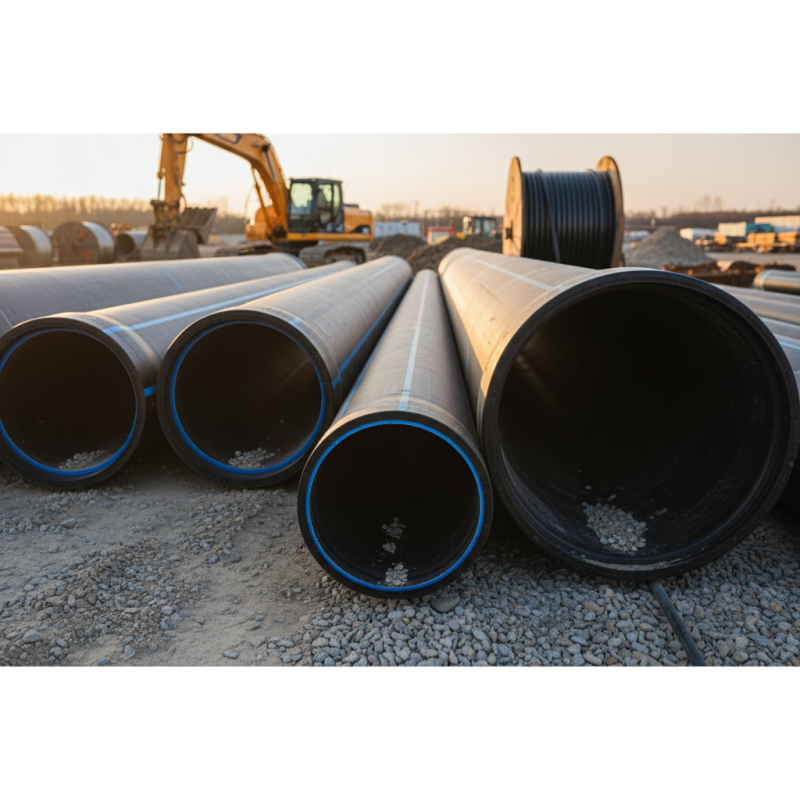
How to Choose the Right Hdpe Pipe for Your Project?

Understanding the Basics of HDPE Pipe and Its Applications

HDPE, or high-density polyethylene, is a versatile material widely used in various projects. Its applications range from water distribution to drainage systems. Understanding the basics of HDPE pipe helps in selecting the right type for your project.

One key aspect is its strength and flexibility. HDPE pipes are resistant to corrosion and chemicals, making them ideal for underground installation. They can also withstand extreme temperature changes. However, the wrong choice can lead to issues like leaks or blockages. Make sure to evaluate factors like pressure ratings and environmental conditions when selecting pipe.

Moreover, consider sizes and fittings. Not every project will require the same dimensions. Oversized pipes may lead to unnecessary costs, while undersized pipes can hinder flow. Each project demands careful planning. Get familiar with local regulations and installation techniques for best results. This proactive approach improves reliability and performance.

Identifying Project Requirements for Selecting HDPE Pipe

When selecting HDPE pipe for a project, understanding your project requirements is crucial. Start by assessing the nature of the project. Consider the fluid to be transported. Is it water, gas, or industrial waste? Each application has specific demands. Knowing the operating pressure and temperature is also essential. These factors determine the pipe's thickness and strength.

Material compatibility is another key aspect. HDPE pipes are resistant to corrosion but may not suit all chemicals. Check the chemical compatibility to prevent future failures. Project scale is significant too. Large projects may require bulk purchasing, affecting quality and cost. Local regulations might play a role as well. Some areas mandate certain standards for materials used in construction.

Don’t overlook installation conditions. If the installation site is rocky or uneven, you may need specialized fittings. Water flow direction and pressure can also impact your choice. It’s easy to rush and select the first option, but this can lead to long-term problems. Reflect on your specific needs, and gather feedback from project stakeholders. This ensures a more tailored solution.

How to Choose the Right HDPE Pipe for Your Project? - Identifying Project Requirements for Selecting HDPE Pipe

Project Type Pipe Diameter (inches) Pressure Rating (psi) Standard Application
Water Distribution 4 160 ASTM D3035 Potable Water Supply
Sewage Transfer 6 110 ASTM F714 Sewage and Wastewater
Irrigation 2 80 ASTM D2241 Agricultural Irrigation
Industrial Use 8 150 ASTM D3035 Chemical Transportation
Mining 10 100 ASTM D3035 Slurry Pipes

Comparing Different Types of HDPE Pipe Specifications

When selecting HDPE pipes for your project, understanding the various specifications is crucial. Different types of HDPE pipe, such as PE4710 and PE100, cater to specific applications. According to industry standards, PE4710 is known for its high resistance to stress and good impact strength. This makes it suitable for potable water systems and wastewater applications.

Another key consideration is the pipe's pressure rating. HDPE pipes come with various pressure classes, measured in pounds per square inch (PSI). For instance, a pipe rated at 160 PSI is often utilized in high-pressure applications. The choice of a lower pressure rating could lead to unexpected failures, which can be costly. Experts suggest that these decisions should be backed by detailed analysis and site-specific factors.

It’s also vital to assess the environmental factors the pipes will face. HDPE pipes are generally resistant to corrosion and chemicals, but exposure to UV light can degrade the material over time. A report by the Plastics Pipe Institute highlights that unprotected HDPE pipes could lose structural integrity if left exposed for prolonged periods. Making an informed choice about the correct HDPE pipe involves careful evaluation of specifications and environmental conditions to avoid future complications.

Evaluating Factors Affecting HDPE Pipe Performance and Longevity

When selecting the right HDPE pipe, various factors impact its performance and longevity. Environmental conditions are critical. UV exposure and temperature fluctuations can degrade the pipe over time. It is essential to consider the specific climate of your project location. A pipe that performs well in one area might not fare the same in another.

Another key factor is the type of fluid being transported. Different chemicals can react adversely with HDPE material. It's important to analyze the compatibility of the fluid. If you'll transport abrasive materials, selecting a thicker pipe can enhance durability. Aim to choose a pipe that matches your project's specific needs.

Installation practices can also affect performance. Proper techniques can prevent damage during placement. Inadequate backfilling can lead to early failure. Regular maintenance is necessary for longevity. Neglect can result in costly repairs and downtime. Reflecting on these factors during the selection process will lead to more reliable outcomes in your projects.

Sourcing and Budgeting for Quality HDPE Pipe Options

When sourcing HDPE pipe options for your project, it's crucial to understand your needs. Begin by identifying the specifications required for your application. Consider factors such as diameter, wall thickness, and pressure rating. A clear understanding of these criteria enables you to narrow down your choices effectively.

Budgeting also plays a vital role in the selection process. Quality HDPE pipes can vary significantly in price. It's tempting to choose the cheapest option, but this could lead to future headaches. Do some research on materials and manufacturing processes. Cheaper pipes may not last, resulting in higher long-term costs.

Don't overlook vendor reliability when sourcing pipes. Look for suppliers with a proven track record. Reading customer reviews can provide valuable insights. Engaging with industry professionals can also guide you toward trusted sources. Sometimes, the cheapest option isn't the best choice. It’s worth spending some time to ensure you select the right HDPE pipe for your project.

Article Source:

Our dedicated sales and support staff are here to help you identify the ideal pump solution for your needs.

Contact Us