
Choosing the right Swaged Grating for your project is crucial. The grating industry continues to evolve, with the global market expected to reach USD 2.4 billion by 2025, according to a report by Grand View Research. These products play a vital role in various sectors, including construction, industrial, and infrastructure applications. Selecting high-quality Swaged Grating can significantly impact safety, aesthetics, and functionality.
Swaged Grating is designed for strength and stability, providing reliable solutions for demanding environments. However, the selection process is not always straightforward. Factors such as load requirements, corrosion resistance, and design preferences must be considered. Many projects overlook these aspects, leading to costly errors. Experts suggest evaluating your specific needs before making a decision.
Inadequate research can result in purchasing the wrong type of grating. The nuances of material choice and installation methods can be complex. It’s essential to collaborate with experienced professionals who understand these dynamics. Their insights can guide you in mitigating potential issues and ensuring a successful implementation of Swaged Grating in your project.
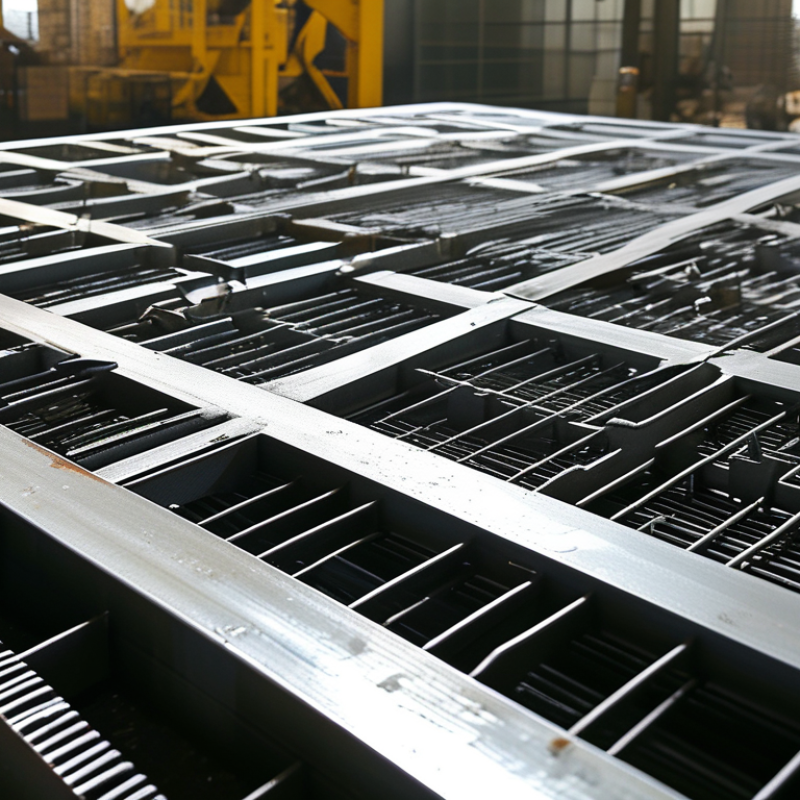
When selecting swaged grating, several factors must be considered to ensure it meets your project’s needs. The material type is crucial. Stainless steel is durable and resistant to corrosion. On the other hand, aluminum is lightweight and easier to install. Understanding the environment where the grating will be used impacts this choice significantly.
Load capacity should also be evaluated. Different projects require varying levels of strength. For heavy-duty applications, choose grating capable of supporting significant weight. Conversely, lighter applications may need less robust options. The spacing between the bars can affect safety and performance. Narrower spacing prevents small items from falling through, while wider spacing reduces material use but increases risk.
Installation requirements vary. Some projects demand custom shapes or sizes, which can complicate the selection. Always ponder the long-term maintenance needs. Gratings that are easy to clean can save time and money. On reflection, think about the lifecycle of the grating. Will it need replacing soon? Keeping these factors in mind leads to a well-informed decision.
| Factor | Description | Recommendation |
|---|---|---|
| Load Capacity | Determine the maximum load the grating will need to support. | Select a grating with a load rating higher than the expected load. |
| Material Type | Common materials include steel, aluminum, and fiberglass. | Consider environmental factors and compatibility with surrounding materials. |
| Slot Size | Refers to the width and spacing of openings in the grating. | Choose slot dimensions based on foot traffic and drainage needs. |
| Anti-Slip Surface | Enhanced surface treatments can prevent slipping. | Select grating with an anti-slip finish for wet or hazardous environments. |
| Installation Method | Consider how the grating will be installed (e.g., bolted, welded). | Choose a grating that fits your installation capabilities. |
| Aesthetic Factors | Design and color can impact the visual appeal of the installation. | Select a style that complements the surrounding architecture. |
Load ratings are critical when selecting swaged grating for any project. Understanding these ratings ensures safety and durability. Load ratings indicate the maximum weight a grating can support under specific conditions. According to industry reports, most grating applications fall into three primary load categories: pedestrian, light vehicular, and heavy vehicular. Each category has distinct specifications which can greatly affect your choice.
For instance, pedestrian areas require a lower load rating, typically around 200 to 400 pounds per square foot. Light vehicular applications generally range from 400 to 800 pounds per square foot. Heavy vehicular loads can exceed 800 pounds per square foot. Knowing these numbers helps prevent costly mistakes in choosing the wrong grating type. Relying on proper load ratings is essential in design and engineering.
**Tip:** Always calculate the potential load on the grating. This calculation should include dynamic loads, like moving vehicles or people.
**Tip:** Consult an expert for specific applications. They can provide insights on local regulations and material options.
The choice of swaged grating can impact the project's overall performance. It’s crucial to consider how loads may vary throughout the project's life. Over time, increased wear or environmental factors can also affect load stability. Reflect on how these elements may shift your selection process.
When selecting swaged grating, the material choice is vital. Steel, aluminum, and fiberglass are three common options. Each material has unique properties that influence performance and cost. Steel is durable and strong, ideal for heavy loads. However, it may require additional coatings to resist corrosion. Aluminum is lightweight and naturally resistant to rust. It is an excellent choice for projects in coastal areas.
Fiberglass grating offers a non-corrosive solution. It is ideal for environments exposed to chemicals. Lightweight yet strong, fiberglass can withstand harsh conditions. However, its cost can be higher than metal options. Weighing the pros and cons of each material is essential. Consider the project’s location and requirements carefully.
Durability, weight, and maintenance should guide your choice. Don’t overlook the environmental impact. Choosing materials wisely can lead to better sustainability. Reflect on your project's specific demands. The right material will ensure long-lasting performance and safety.
Swaged grating serves various industries due to its strength and versatility. In construction, it provides durable walkways and platforms. Engineers often favor it for its ability to withstand heavy loads. The open design allows for excellent drainage, making it ideal for areas prone to water accumulation. Industrial spaces, like factories, benefit from its corrosion-resistant properties, ensuring longevity.
In the oil and gas industry, swaged grating plays a crucial role. It supports equipment and offers safe access to platforms. However, improper placement can lead to safety hazards. Regular inspections are essential in these settings. Maintenance practices should be in place to ensure that any wear or damage is promptly addressed. This proactive approach can prevent costly accidents.
In the transportation sector, swaged grating enhances safety in walkways and bridges. Its lightweight structure makes installation easier. Yet, some may overlook the importance of proper sizing. Choosing the right dimension is critical. A miscalculation can lead to inefficiencies. Understanding load requirements is vital for optimal performance. Learning from past projects can inform better decisions in future applications.
When considering swaged grating systems, maintenance and durability are vital factors. Regular inspections are essential. Check for signs of wear or damage. Corrosion can reduce the lifespan of the grating. In environments with chemicals, additional precautions may be required. Proper installation also plays a role in longevity. Misalignment can lead to increased stress and failure points.
The choice of materials affects durability significantly. Steel options may require more maintenance compared to stainless steel or aluminum. Consider your project’s specific needs when selecting materials. Environmental factors such as extreme temperatures or heavy loads can impact performance. Sometimes, unexpected challenges arise. It’s important to adapt and reassess the situation.
While swaged grating offers many advantages, it is not without its drawbacks. Limited load capacity might be an issue for some projects. Understanding these limitations upfront will guide your decision-making. Anticipating potential problems can lead to more informed choices. Regular training for maintenance personnel can ensure effective upkeep over time.
We are here to help you with all your queries and concerns, just write to us using the below form and we will get back to you as soon as we can.