
Choosing the right Batch Plant is crucial for any construction or manufacturing process. According to recent industry reports, the global market for Batch Plants is projected to grow at a compound annual growth rate (CAGR) of 6.1% through the next five years. This growth highlights the increasing demand for efficient and reliable batching solutions.
When selecting a Batch Plant, consider your specific production needs and capacity requirements. A plant that suits one company may not work for another. For instance, small-scale operations often benefit from mobile Batch Plants, while larger enterprises might need stationary ones for greater output. Each type offers different operational advantages, making it imperative to evaluate your needs thoroughly.
It's essential to assess both the performance and technological features of a Batch Plant. Innovations such as automated controls and enhanced mixing technology can significantly improve production efficiency. However, not all plants will meet the same standards of reliability. Researching various manufacturers and their offerings can help you make a well-informed choice. Remember, investing in a Batch Plant is a commitment that requires careful consideration and reflection on your long-term goals.
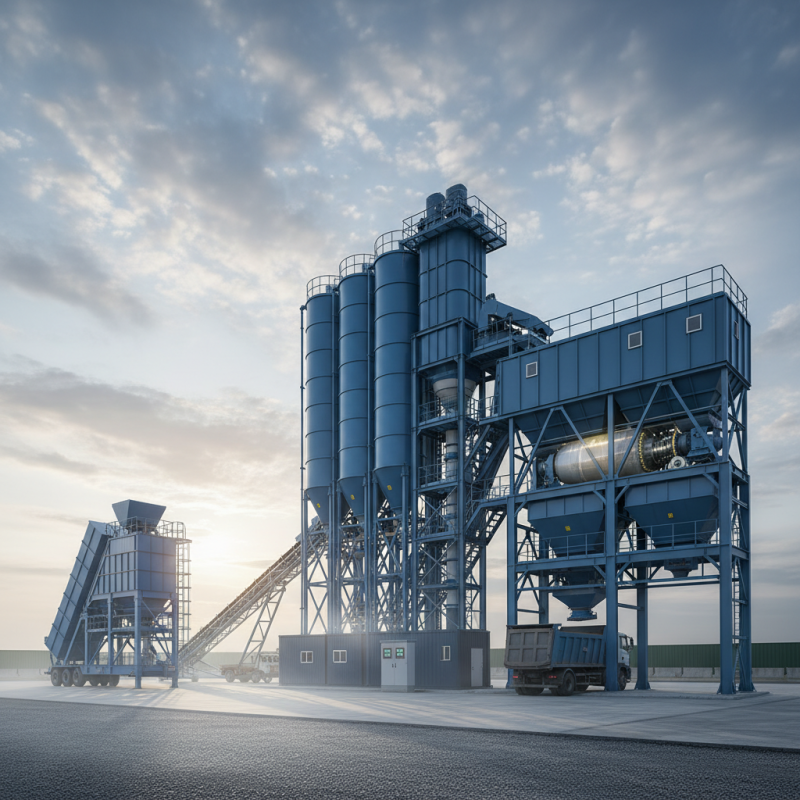
When choosing the best batch plant, understanding your production requirements is crucial. Production needs vary across industries. Assess your output goals, product types, and operational capacity. This clarity will guide your selection process effectively.
To start: define your production volume. Are you focusing on low, medium, or high output? Consider how seasonal demand fluctuations may affect your operations. A plant that can adapt is beneficial.
Tips: Always think about future scalability. It’s vital to choose a plant that can grow with your business.
Next, evaluate your product specifications. What materials will you process? Each material may have different handling requirements. This impacts your equipment choice. Think about how variations in recipe complexity might influence your production efficiency.
Tips: Create a checklist of essential features. Include batching accuracy, versatility, and ease of operation. This will focus your search and eliminate irrelevant options.
When evaluating different types of batch plants, consider their specific applications. For instance, some plants are designed for small-scale operations. They are perfect for custom jobs and local projects. Others cater to large volumes, ideal for high-demand production. Understanding your output needs helps significantly in this process.
Another crucial factor is the type of materials used. Concrete batch plants generally handle aggregates, cement, and water. Yet, variations exist, such as asphalt or dry batch plants. Each type has its own specialty and workflow. This can affect efficiency and overall quality. Assessing the mix process is essential for consistency.
Budget constraints also play a role in your selection. High-capacity plants may offer savings in the long term. However, initial costs can be daunting. Factors such as space and maintenance requirements should be considered too. Each choice bears its pros and cons. Taking time to reflect on these elements can lead to a better investment.
When selecting the best batch plant, key features and specifications are crucial. Capacity is a primary consideration. Evaluate the daily production demands. A smaller plant may suffice for smaller projects, but larger operations need a more robust system. Understand your output needs clearly.
Additionally, look at the technology used in the plant. Modern batch plants incorporate automation and efficiency features. These technologies improve consistency in production. However, they also demand skilled operators. Ensure your team is trained to handle advanced systems.
Another factor to examine is mobility. Some plants are stationary, while others are portable. If you require flexibility in location, a mobile plant might be ideal. However, these plants can sometimes compromise on output capacity. Assessing your specific needs helps in making the right choice. Reflect on how often your projects change locations. Feel free to weigh the pros and cons carefully.
When choosing a batch plant, budget and cost considerations play a crucial role. A comprehensive report from the National Ready Mixed Concrete Association highlights that up to 20% of total construction costs can be attributed to concrete supply and plants. This statistic underscores the need for a detailed cost analysis early in the decision-making process.
It's essential to evaluate both initial and operational costs. Initial investments can vary significantly. A basic batch plant may cost around $100,000, while advanced models can exceed $500,000. Additionally, ongoing expenses like maintenance, labor, and utilities are key. These factors often contribute to the overall profitability of the batch plant choice. The operational efficiency of the plant can lead to reduced waste and enhanced productivity, directly impacting the bottom line.
Investors should also consider the potential for financial overruns. A study from Construction Industry Institute found that nearly 60% of projects exceed their initial budgets. This statistic points to the necessity for thorough inspections and due diligence before making a final decision. Understanding these financial implications allows for better planning and resource allocation, ultimately leading to more successful project outcomes.
When selecting a batch plant, the manufacturer’s reputation is crucial. A strong track record indicates reliability. Check online reviews and testimonials. Reach out to previous customers to gather firsthand experiences. This research can illuminate potential red flags.
Support services play a vital role as well. Consider if the manufacturer offers timely assistance. Find out about training resources for your team. A company that invests in customer support often values long-term relationships. Reliable support can save time and money down the road.
Tip: Look for manufacturers who offer personalized services. This shows they care about your unique needs. Engage with their support team before making a decision. Ask questions regarding maintenance, training, and troubleshooting. Their responsiveness is a good indicator of future support.
Tip: Don’t overlook the importance of quality documentation. Ask for manuals and guides. A well-documented system can make implementation smoother. If you find the documentation lacking, it could be a sign of future challenges.
We are here to help you with all your queries and concerns, just write to us using the below form and we will get back to you as soon as we can.