
Top Tips for Choosing the Best Bike Parking Stand for Your Needs

Choosing the right Bike Parking Stand is crucial for both cyclists and urban planners. According to bike expert Sarah Johnson, "A well-designed bike parking stand can transform how cities view cycling." As cities grow, the demand for effective bike parking solutions increases. Finding a suitable stand not only enhances convenience but also promotes cycling as a viable transportation option.

When selecting a Bike Parking Stand, consider its durability and design. Materials like steel offer strength and stability. Meanwhile, innovative designs can deter theft and accommodate various bicycle types. These factors ensure that the stand meets the community's needs while enhancing the urban landscape.

However, not all bike parking solutions are created equal. Some stands fail to accommodate wider tires or electric bikes. This oversight can frustrate users, leading them to seek alternative options. It’s essential to evaluate both the practical and aesthetic aspects of bike parking. The right choice reflects a commitment to improving cycling infrastructure.
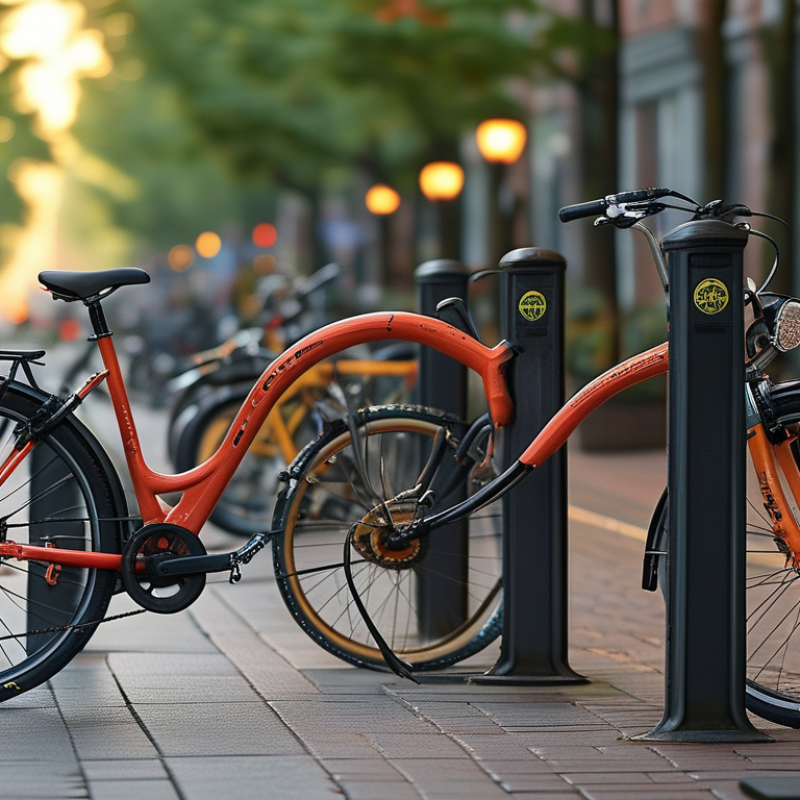
Top Tips for Choosing the Best Bike Parking Stand for Your Needs

Understanding Different Types of Bike Parking Stands and Their Uses

When selecting a bike parking stand, understanding the various types available is crucial. There are many styles to meet different needs. For example, the classic U-lock stands are widely used for their simplicity and effectiveness. They offer excellent security when used properly. However, not all models accommodate wider tires or unique frame shapes. This can limit their appeal.

Another popular choice is the inverted U stand. Its design supports the bike frame and keeps it stable. This feature helps prevent damage during parking. Yet, it's essential to consider spacing. If multiple bikes are parked close together, accessibility becomes an issue. Additionally, traditional racks may not provide enough support for heavier e-bikes.

For those seeking versatility, wall-mounted racks are a practical option. They save space and can be adjusted according to your requirements. However, they may require more installation effort and are not suitable for all locations. Keep in mind the placement of these racks, especially in crowded areas. This can lead to conflicts with pedestrians. Choosing the right stand isn't just about security; it involves thoughtful consideration of various factors to suit your biking lifestyle.

Key Features to Evaluate When Choosing a Bike Parking Stand

When selecting a bike parking stand, several key features deserve your attention. First, consider material durability. Stands made from high-quality steel or aluminum tend to resist weather and wear. They can withstand the elements better than plastic options. The strength of the material impacts its longevity.

Next, think about the design. A U-shaped or wave-style design can accommodate various bike sizes. This flexibility helps secure your bike properly. Make sure the stand allows for easy locking without scratching your bike's frame. Accessibility is also crucial; ensure enough space between stands for smooth parking.

Finally, evaluate the mounting options. Some stands are bolted to the ground, while others can be moved. Portable stands offer flexibility, especially in changing locations. However, fixed stands might deter theft effectively. Balancing convenience with security is vital. Reflect on which features align with your cycling habits.

Analyzing User Capacity and Space Requirements for Bike Stands

When analyzing user capacity and space requirements for bike stands, it is essential to consider your specific needs. Urban environments may require compact designs, while high-traffic areas benefit from larger capacities. A well-planned bike parking solution ensures that bicycles are secure and accessible.

Consider the number of bikes you expect to park. For small residential areas, a simple rack for two to four bikes might suffice. However, public spaces often need stands that accommodate dozens. Think about the physical space available. A narrow sidewalk might restrict rack types, urging you to opt for wall-mounted options. Carefully measuring dimensions helps avoid issues later.

When selecting bike stands, focus on stability and security. Choose materials that withstand weather conditions. Steel and aluminum are popular for durability. Pay attention to ease of use. Efficient designs allow users to lock up their bikes quickly. Finally, recognize that not every solution will fit every area perfectly. Sometimes, it takes trial and error to find the ideal configuration.

Top Tips for Choosing the Best Bike Parking Stand for Your Needs

Type of Bike Stand User Capacity Space Required (sq ft) Material Price Range ($)
Vertical Rack 5 Bikes 20 Steel 100 - 200
U-Rack 2 Bikes 10 Aluminum 75 - 150
Horizontal Rack 10 Bikes 30 Galvanized Steel 150 - 300
Bicycle Locker 1 Bike 12 Metal 200 - 350
Wave Rack 5 Bikes 25 Plastic Coated Steel 120 - 220

Assessing Material Durability and Weather Resistance in Bike Parking

When selecting a bike parking stand, assessing material durability and weather resistance is crucial. The right materials can impact how well the stand endures elements. Stainless steel and heavy-duty plastics often resist rust and corrosion. Moreover, options with powder coating typically offer extra protection against UV rays and rain.

Consider the location where the stand will be placed. In areas with heavy snowfall or rain, a more robust, weather-resistant model is advisable. Even the best materials can wear down under extreme weather conditions. Ensure that your choice can withstand varying temperatures and potential environmental hazards.

Reflect on the maintenance needed for your stand. Regular checks can prevent rust and other damage. Some materials might require occasional treatment, while others are more forgiving. Finding the balance between durability and ease of maintenance is vital for a long-lasting investment. Remember, it’s about choosing something that serves well today and in the future.

Cost-Benefit Analysis of Various Bike Parking Stand Options

When considering bike parking stands, it's essential to evaluate their long-term value. A study by the Cycling Infrastructure Research Institute shows that well-designed bike parking can increase usage by up to 30%. This is significant for urban planners and business owners looking to promote cycling as a sustainable transportation option.

Cost analysis reveals a wide range of bike parking solutions. Simple racks average around $100 each, while more advanced options can exceed $1,000. However, investing in quality stands often reduces theft rates. The National Bike Security Index reports that securing bikes with good racks can deter up to 60% of petty crimes. Zoning laws may influence these costs, adding complexity to the decision-making process.

Choosing a stand involves weighing immediate expenses against potential gains. Many low-cost stands are prone to damage, which can lead to higher replacement costs over time. On the other hand, premium stands might seem expensive initially but can offer greater durability and security. Evaluating the local cycling culture can also inform decisions. Understanding user needs can lead to a more effective investment.

Our dedicated sales and support staff are here to help you identify the ideal pump solution for your needs.

Contact Us