How to Choose the Best Ceramic Mixer Machine for Your Needs?
In today’s bustling ceramics industry, selecting the right ceramic mixer machine is crucial. John Smith, a renowned expert in ceramic manufacturing, once said, “The right mixer can elevate your craftsmanship.” Choosing a mixer that truly meets your demands can make a significant difference in your ceramic production quality.
Understanding your specific needs is vital. Each Ceramic Mixer Machine comes with different features and capacities. Some mixers blend materials efficiently, while others excel in creating uniform consistency. Assessing the scale of your projects helps narrow down your options.
It’s easy to feel overwhelmed by the choices available. Small businesses might prefer compact models for flexibility. Larger operations often require more powerful machines for increased output. Reflecting on your unique requirements is essential to make a wise decision. A Ceramic Mixer Machine is an investment that influences your product's success. Carefully consider your choices to find the best fit for your needs.
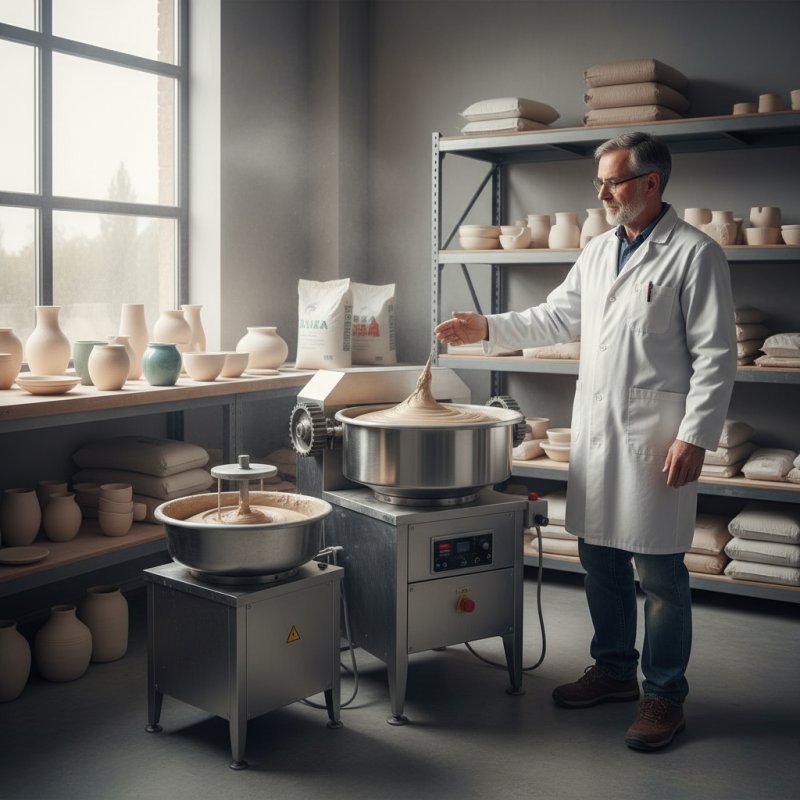
Understanding the Different Types of Ceramic Mixer Machines
Choosing the right ceramic mixer machine can be daunting. Different types exist for specific needs. Understanding these types is crucial for making an informed decision.
There are paddle mixers, which are great for dense materials. They feature rotating blades to blend clay and other components evenly. Then, there are planetary mixers that mix in multiple directions. They are effective for achieving uniform consistency and are suitable for larger batches.
Tips: Consider your batch size before purchasing. A larger model may not fit in small workshops. Also, think about the material type you will mix. Not all mixers handle every material well.
Another type is the double paddle mixer. It excels at mixing thicker materials, creating a homogenous blend. This mixer is more complex and may require more maintenance. Ensure you’re ready for that commitment if you choose this option.
Tips: Regular cleaning is essential for optimal performance. Neglecting this can lead to clogs and uneven mixing. Be mindful of the power source too, as some mixers require more electricity than others.
Key Features to Consider When Choosing a Ceramic Mixer
When selecting a ceramic mixer machine, certain key features warrant consideration. One crucial aspect is the mixing capacity. A report by the American Ceramic Society highlights that a well-chosen capacity can affect production efficiency significantly. Most ceramic mixers range from 5 to 300 liters. Selecting a size that aligns with your production needs is vital to avoid overspending or underutilizing the machine.
Another important feature is the mixer’s speed control. Many ceramic processes require varying speed settings for optimal results. Machines with adjustable speed settings allow for better integration of different materials. According to industry data, 40% of production issues stem from improper mixing speeds. A good mixing performance can prevent these challenges.
Durability also plays a critical role. Ceramic mixers experience wear over time; therefore, the quality of materials used in construction is essential. Some mixers may look robust but fail under high stress. Always consider warranties and service options. Not all machines provide reliable service. Research thoroughly to ensure you choose a machine that can meet your long-term operational needs. These aspects can make or break your production efficiency.
Comparison of Key Features in Ceramic Mixer Machines
Evaluating Your Mixing Needs and Production Capacity
When selecting a ceramic mixer machine, it's crucial to evaluate your mixing needs and production capacity. Think about the volume of materials you plan to mix. If you're a small artist, a compact mixer may suffice. For larger operations, however, a more robust machine is essential.
Consider your material types. Different ceramics require different mixing strategies. Some. like porcelain, may need a softer mix, while stoneware could benefit from more rigid blending. Pay attention to the capacity of each mixer. Can it handle your maximum batch size? Think about efficiency too. The right machine can save time, but only if it meets your needs.
**Tip:** Always test a machine before you buy. Find a demo or rental option if possible. You’ll get a feel for its performance.
**Tip:** Talk to fellow ceramicists. Their experiences can provide valuable insights. They often know what works and what doesn't. Listen to their successes and failures.
Ultimately, it's about finding balance. A machine that's too powerful may waste energy. One that's too weak could lead to inconsistent mixes. Reflect on your process. Choose wisely to enhance your craft.
Comparing Price Ranges and Budget Considerations
When choosing a ceramic mixer machine, understanding price ranges is crucial. Quality often varies greatly with cost. Lower-end mixers may seem appealing, but they can lack power and durability. Spending too little might mean sacrificing essential features.
In the mid-range, there are more balanced options. These typically offer better performance and longevity. Yet, some machines in this category might still disappoint. You could face issues with noise levels or inconsistent mixing. It's vital to assess what features are truly necessary for your projects.
Budget considerations should factor in your intended use. Are you mixing small batches or larger, more demanding projects? If your needs are basic, a less expensive model could suffice. However, for serious work, investing more upfront could save you future repairs or replacements. Reflect on your priorities and long-term plans to make an informed choice.
Tips for Maintenance and Longevity of Your Mixer Machine
Maintaining your ceramic mixer machine can significantly enhance its lifespan. Regular cleaning is crucial. After each use, remember to wipe down the bowl and attachments. Leftover materials can harden and affect performance. Check for any cracks or chips regularly. These imperfections can compromise mixing efficiency.
Adjusting the mixer’s settings is important too. Overworking the machine can lead to overheating. Pay attention to the sound it makes during operation. Unusual noises might signal a problem. If you notice any, turn off the mixer immediately and inspect it. It’s better to address small issues early before they escalate.
Storing your mixer properly also matters. Keep it in a dry place to avoid moisture damage. A cover can protect it from dust and debris. After a long period of inactivity, check all connections. Loose wires can lead to unexpected malfunctions. Remember, neglecting these simple steps may result in costly repairs. Prioritize care to enjoy your machine for years.