How to Choose the Best Oil for Gear Maintenance and Performance

Choosing the right oil for gear maintenance and performance is crucial for ensuring the longevity and efficiency of your machinery. Gear systems are subjected to immense pressure and friction, which can lead to wear and tear over time. Selecting the appropriate oil for gear not only minimizes these detrimental effects but also enhances the overall functioning of the gear mechanisms. With a range of options available, understanding the specific requirements of your gear system and the characteristics of different oils can significantly impact its performance.

The right oil for gear should provide optimal lubrication, resist thermal degradation, and maintain a stable viscosity across a wide range of operating temperatures. It's essential to consider factors such as load, speed, and operating environment when making your selection. By focusing on these elements, you can identify the most suitable oil that meets the unique demands of your gear system, ultimately leading to improved efficiency and reduced maintenance costs. In this guide, we will explore key considerations and tips for choosing the best oil for gear maintenance and performance, ensuring that your equipment runs smoothly and lasts longer.

How to Choose the Best Oil for Gear Maintenance and Performance

Understanding the Importance of Oil in Gear Maintenance

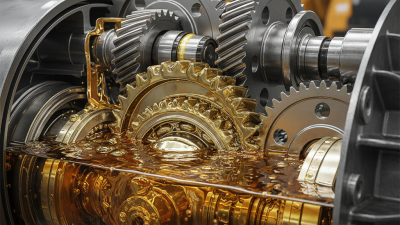
When it comes to gear maintenance, the importance of oil cannot be overstated. Oil serves as a crucial lubricant that reduces friction between moving parts, which in turn minimizes wear and tear. By creating a smooth surface for gears to operate, the right oil helps extend the lifespan of equipment and ensures optimal functionality. Additionally, oil plays a role in dissipating heat generated by friction, preventing overheating, and maintaining a stable operating temperature, which is vital for efficient gear performance.

Moreover, not all oils are created equal; they vary in viscosity and additives, influencing their effectiveness in different conditions. Using the appropriate oil ensures that gears operate smoothly under varying loads and speeds. The right choice can also prevent rust and corrosion, safeguarding gear components from environmental factors. Understanding the characteristics of oil and their effects on gear maintenance is essential for any machinery operator or enthusiast, as it leads to more reliable performance and reduced downtime due to maintenance issues.

Identifying Different Types of Gear Oils and Their Properties

How to Choose the Best Oil for Gear Maintenance and Performance

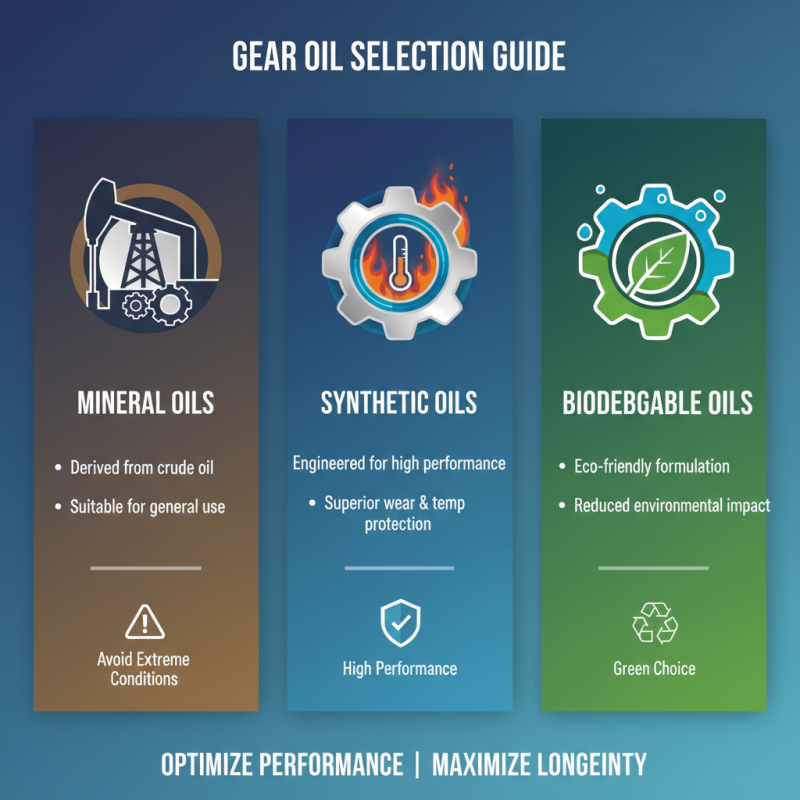
When it comes to gear maintenance, selecting the right type of oil is crucial for ensuring optimal performance and longevity of your machinery. Gear oils come in various formulations, with properties that cater to different operational needs. The primary types of gear oils include mineral-based, synthetic, and biodegradable oils. Mineral oils are derived from crude oil and are suitable for many applications, but they may not perform well under extreme conditions. Synthetic oils, on the other hand, are engineered for high performance and provide superior protection against wear and temperature extremes. Biodegradable oils are gaining popularity for their eco-friendly properties, making them ideal for applications where environmental impact is a concern.

When choosing gear oil, it's essential to consider viscosity, which affects how well the oil flows and lubricates under specific temperatures. Gear oils are typically rated by their viscosity grade, which can influence the gear’s operational efficiency. A thicker oil may provide better protection at high temperatures, while a thinner oil is better for cold starts.

Tips: Always consult your machinery’s specifications to determine the recommended oil type and viscosity. Additionally, regularly monitor the oil condition; look out for contamination or signs of breakdown, as these can significantly impact gear performance. Regular maintenance, including timely oil changes, can extend the lifespan of your gears and improve overall machinery reliability.

Evaluating Viscosity and Temperature Ratings for Optimal Performance

When selecting the best oil for gear maintenance and performance, understanding viscosity and temperature ratings is crucial. Viscosity refers to the oil’s resistance to flow, which directly influences how well it can lubricate gears under various operating conditions. Generally, a higher viscosity oil provides a thicker layer of protection, making it suitable for heavy-duty applications and high-load environments. Conversely, lower viscosity oils flow more easily, which can enhance performance in applications requiring quicker response times and better fuel efficiency.

Temperature ratings also play a significant role in gear oil selection. Oils are formulated to operate within specific temperature ranges, and exceeding these limits can lead to accelerated degradation, reduced efficiency, and potential gear damage. It’s essential to choose an oil that not only matches the operating temperature of your equipment but also maintains its viscosity at these temperatures, ensuring optimal lubrication under extreme conditions. By carefully evaluating both viscosity and temperature ratings, gear maintenance can be enhanced, leading to improved performance and longevity.

Viscosity and Temperature Ratings for Gear Oils

Assessing Additives and Their Impact on Gear Oil Effectiveness

When selecting gear oil, understanding the role of additives is crucial for ensuring optimal gear performance and longevity. Additives can enhance various properties of the base oil, such as viscosity, oxidation stability, and anti-wear capability. According to a recent study published in the Journal of Lubrication Science, the right combination of additives can reduce wear by up to 50%, significantly extending the life of gear systems. Key additives include viscosity index improvers, anti-foaming agents, and extreme pressure (EP) additives that help gear oil perform under harsh conditions.

Tips: When assessing gear oils, always consider the specific requirements of your application. Look for oils with multi-functional additives that not only lubricate but also protect against corrosion and rust. Additionally, regularly monitor the oil's condition to identify any degradation in additive performance and ensure your gear systems operate efficiently.

Another consideration is the type of base oil used, which can interact with the additives. Synthetic oils, for example, often outperform mineral oils due to their superior thermal stability and ability to function across a wider temperature range. As reported by the American Society of Mechanical Engineers, synthetic oils can improve the operational efficiency of gear systems by up to 30%, highlighting the importance of selecting the right oil based on both its base and additive content.

Tips: Always review technical data sheets and product specifications to understand the additive package inside your gear oil. This will ensure you make an informed choice that aligns perfectly with your maintenance needs and operational demands.

Tips for Proper Application and Storage of Gear Oils

When it comes to gear maintenance and performance, proper application and storage of gear oils are crucial factors that significantly influence the lifespan and functionality of mechanical systems. According to the American Society of Mechanical Engineers (ASME), improper lubrication can lead to a decrease in component life by up to 75%. Thus, understanding the nuances of gear oil application is essential. When applying gear oils, ensure that surfaces are clean and free from contaminants. Utilizing the appropriate viscosity and type of oil for specific gear systems optimizes performance and reduces wear and tear under operational stresses. It’s also recommended to apply oil evenly and in sufficient amounts to avoid insufficient lubrication, which can result in overheating and premature failure.

Storing gear oils correctly is equally important to maintain their effectiveness and longevity. Oils should be kept in a cool, dry environment, away from direct sunlight and extreme temperatures, which can alter their chemical composition. A report by the National Lubricating Grease Institute (NLGI) emphasizes that improper storage can degrade oil quality within months, reducing its protective properties. Additionally, it’s essential to keep containers tightly sealed to prevent contamination from moisture and airborne particles. Regularly checking expiration dates and following the manufacturer's recommendations can help ensure that gear oils remain effective for optimized performance during their intended use. By focusing on these best practices, users can extend the life of their gear systems while maximizing performance.

Our dedicated sales and support staff are here to help you identify the ideal pump solution for your needs.

Contact Us