
Choosing the right Butterfly Valve for your project is critical. The global butterfly valve market is projected to grow at a CAGR of 5.2% from 2021 to 2028, reaching approximately $8 billion. This growth reflects the increasing demand for reliable solutions in various industries. Butterfly valves are favored for their versatility, efficiency, and compact design.
In industrial applications, the specifications of butterfly valves directly affect operational efficiency. Understanding how to select the appropriate size, material, and style is essential. A well-chosen butterfly valve can enhance system performance. However, choosing poorly can lead to leaks and inefficiencies.
Industry experts suggest analyzing factors such as pressure, temperature, and media type. They highlight that many projects overlook critical specifications that impact valve selection. Incomplete assessments can lead to costly errors. Therefore, comprehensive research and consulting with professionals can help mitigate these risks.
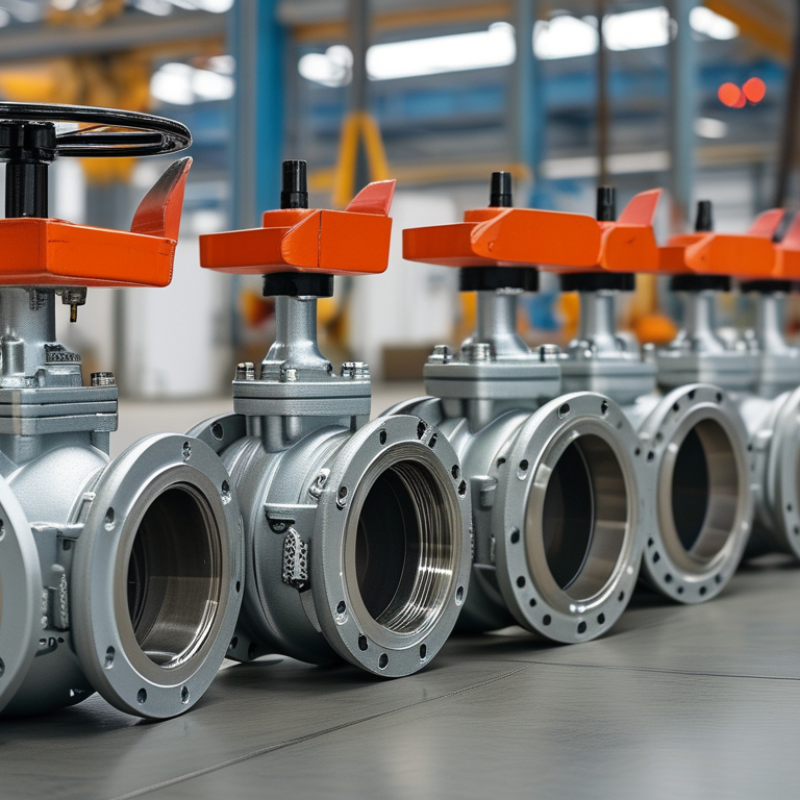
When selecting a butterfly valve for your system, several critical factors come into play. The size of the valve is essential. An improperly sized valve can lead to pressure losses or inefficient flow control. According to industry reports, nearly 25% of operational issues stem from incorrect valve sizing. Assess the flow requirements and the system's pressure ratings before making a choice.
Material selection is another critical factor. Different applications require specific materials to withstand temperature, pressure, and corrosive factors. For instance, a valve operating in a chemical processing plant may need a valve made of stainless steel or specialized alloys. According to a recent survey, 30% of failures in valve performance are attributed to material compatibility. It is vital to evaluate these aspects thoroughly.
Installation conditions cannot be ignored. Space limitations and alignment issues can complicate valve functionality. It's noted that misalignment leads to operational failures in 15% of cases observed in industrial settings. Even minor discrepancies can affect performance and longevity. Choosing a suitable butterfly valve demands attention to detail and a thorough understanding of system requirements.
Choosing the right butterfly valve hinges on understanding various types and their applications. Butterfly valves are widely used across industries like water treatment, pharmaceuticals, and petrochemicals. According to a report by MarketsandMarkets, the global butterfly valve market was estimated at $4.3 billion in 2021, with expectations to grow due to increasing infrastructure projects.
There are three predominant types: concentric, eccentric, and double eccentric butterfly valves. Concentric valves find use in low-pressure systems, making them ideal for water and wastewater applications. Eccentric valves, designed for higher pressure and temperature, serve in steam and gas applications. Meanwhile, double eccentric valves offer even more durability and are widely deployed in demanding chemical processes.
When selecting a butterfly valve, consider the medium being transported. Each type of valve has distinct pressure ratings and material requirements. Here’s a tip: Always analyze the specific application needs before making a decision. Also, routine inspections can prevent failures and improve lifespan. Understanding these elements enhances system reliability.
Choosing the right material for a butterfly valve is crucial for its longevity. Different environments demand specific materials to withstand varying conditions. For instance, if the valve will face corrosive chemicals, materials like stainless steel or PVC might be necessary. On the other hand, high-temperature applications may require titanium or certain alloys for durability.
The construction quality significantly impacts the valve's performance. A well-constructed valve minimizes the risk of failure. Look for features like a robust body, tight seals, and a reliable actuator. These details contribute to the valve’s ability to function under pressure and extreme conditions.
However, not every material suits every project. Each project should analyze its requirements thoroughly. Sometimes, a standard choice may not suffice. It’s vital to consult with experienced professionals. They can offer insights based on prior projects and help avoid costly mistakes. Remember, understanding your environment and potential challenges is key to making a well-informed decision.
Selecting the right butterfly valve for your project starts with understanding sizing and pressure ratings. These specifications are critical for ensuring optimal valve performance. If you choose a valve that is too small, it won't handle the required flow. Conversely, an oversized valve can lead to inefficiencies and increased operational costs.
Pressure ratings also play a vital role. A valve must withstand the system's maximum pressure without failure. Mistakes in this area can lead to dangerous leaks or system breakdowns. It's essential to consider both the working pressure and any potential pressure surges during operation.
Tips: Always verify the actual operating conditions before making your choice. Review the material compatibility with the fluids you are handling. Sometimes, an overlooked detail can lead to significant problems later on. Another tip is to consult with a professional for insights tailored to your specific project. Their expertise might shine light on aspects you hadn’t considered, ultimately improving your selection.
When selecting a butterfly valve, actuation is a crucial factor. Manual and automated options each have distinct advantages. Manual butterfly valves offer simplicity and cost-effectiveness, making them suitable for smaller projects. According to industry reports, around 40% of facilities utilize manual operation due to lower upfront costs and ease of installation.
Automated butterfly valves, on the other hand, ensure precision and efficiency in large-scale applications. They are gaining traction in industries such as oil and gas, where automated systems can enhance safety and reduce labor costs. A recent analysis reveals that automated valve usage has increased by 30% in the past five years. However, installation can be complex and maintenance demands regular attention.
Choosing the right actuation involves understanding your operational needs. Automatic valves may reduce human error but can be prone to software glitches. Manual valves require human intervention but offer direct control. Each option has both pros and cons. Evaluating your project’s scale, budget, and operational demands is essential for making an informed decision. Reflecting on these factors is vital for successful valve selection.
We are here to help you with all your queries and concerns, just write to us using the below form and we will get back to you as soon as we can.