
Choosing the right Ce Motor can significantly impact your project’s success. These electric motors power a range of applications. Selecting the perfect motor can seem daunting. You may wonder about horsepower, efficiency, and size.
Understanding the specific requirements of your application is crucial. Consider the torque needed and the space available. A poorly chosen motor can lead to inefficiencies. It may even cause unnecessary downtime. Consulting with experts can help clarify your needs.
There’s always a margin for error in selection. Exploring various manufacturers ensures you find a reliable product. Look for motors with established reputations for quality. Balancing cost against functionality is also essential. Being informed leads to better choices in the long run.
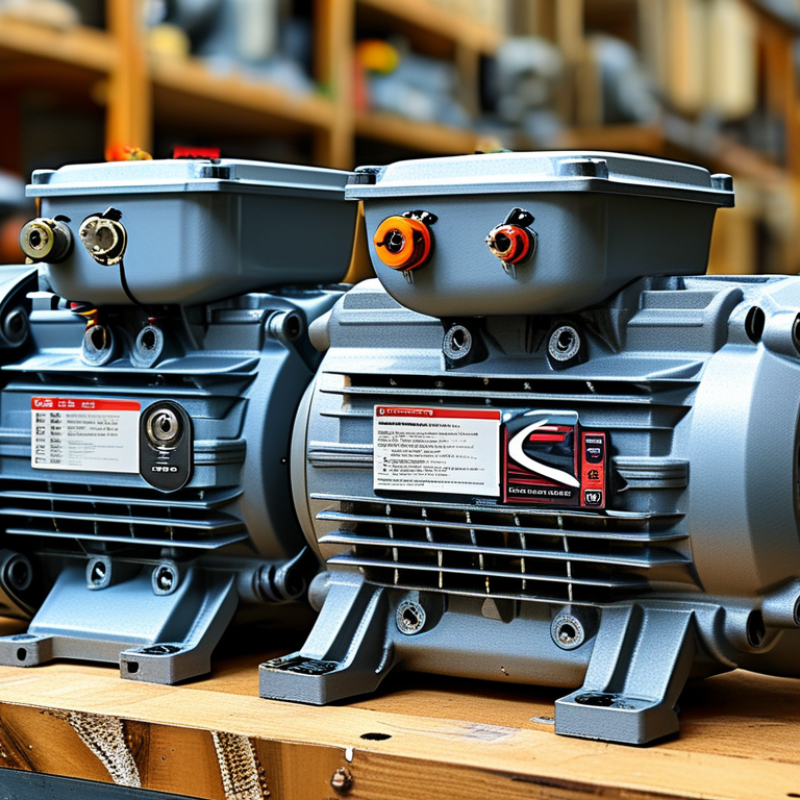
CE motors are essential in various industrial applications, powering everything from conveyor systems to pumps. Understanding their basics can significantly impact your choice. CE motors are regulated for safety, efficiency, and environmental standards. They usually comply with European Commission regulations, ensuring they meet a high level of performance and reliability.
Analyzing recent industry data reveals that approximately 70% of industrial energy consumption comes from electric motors. According to the International Energy Agency (IEA), implementing energy-efficient motors can provide significant cost savings. The right CE motor can reduce energy consumption by 20-50%, depending on the specific application. Many companies overlook these figures when selecting motors, often resulting in inefficient operations.
Applications vary widely. CE motors serve in manufacturing, transportation, and HVAC systems. In manufacturing, they drive machinery, while in HVAC, they control airflow. However, many users need help understanding their specific needs. Choosing the wrong motor can lead to increased operational costs and reduced productivity. Therefore, a thorough assessment of the application requirements is crucial. Balancing power, efficiency, and cost is a complex task, and users must carefully reflect on their options.
| Motor Type | Power Rating (kW) | Voltage (V) | Speed (RPM) | Application |
|---|---|---|---|---|
| Induction Motor | 5 | 400 | 1500 | Pumps |
| Synchronous Motor | 10 | 230 | 3000 | Conveyors |
| Brushless DC Motor | 1.5 | 48 | 6000 | Robotics |
| Stepper Motor | 0.5 | 24 | 1200 | 3D Printers |
| Servo Motor | 2 | 220 | 4000 | CNC Machines |
When selecting a CE motor, several key factors warrant careful consideration. Start with the power requirements for your application. Ensure that the motor can handle your specific load. It's not merely about horsepower; torque specifications matter too. Calibration of these factors can prevent future equipment failures. Look for motors that offer energy efficiency. These models will save you money over time, not just on initial costs.
Another aspect to evaluate is the environment where the motor will operate. Harsh conditions may require more robust models. Dust, moisture, and temperature can all affect motor performance. Consider whether your motor needs additional protective features. Noise levels are also crucial; some applications demand quieter operations.
Lastly, think about maintenance. A motor that seems efficient can become a burden if it's hard to service. Regularly checking components can save your business from unplanned downtimes. Reflect on these factors. While there’s no one-size-fits-all solution, awareness of specific needs is key to making a well-informed choice.
When selecting a CE motor, understanding power, speed, and torque is crucial. Power is measured in watts or horsepower. It dictates how much work a motor can perform in a given time. Higher power ratings indicate stronger motors, but they might also require more energy. Ensure the power aligns with your application needs.
Speed is another vital specification. It is measured in RPM (revolutions per minute). Knowing the required speed helps avoid oversizing or undersizing the motor. Consider your project’s operational requirements. A mismatch can lead to inefficiencies or reduced performance.
Torque is often overlooked, yet it is essential for many tasks. It measures rotational force. Motors with higher torque can handle heavier loads. However, selecting too much torque can lead to unnecessary energy consumption. Reflect on the balance between torque and the specific demands of your application. Understanding these specifications helps make an informed choice.
When choosing a CE motor, environmental and installation factors play a crucial role. Assessing your workspace is essential. Consider the temperature, humidity, and dust levels. High humidity can affect motor performance, while excessive dust may lead to overheating. Ensure that the motor you select can withstand these conditions.
Installation space is also vital. Is there enough room for the motor? Consider the layout of your facility. A cramped installation can lead to overheating and mechanical issues. Pay attention to vibration levels. Motors in high-vibration environments may need special mounting. Noise levels could also be a concern, especially in quieter settings.
Take time to evaluate your specific needs and context. CE motors come with different ratings and capabilities. Not all motors are equal, and a mismatch can lead to inefficiencies. Relying on experience in diverse installations can provide insights into what works best. Always reflect on the long-term implications of your choice. Consider maintenance needs and the potential for upgrades in the future.
When selecting a CE motor, balancing cost and performance is essential. Recent industry reports indicate that energy efficiency directly impacts operational costs. For instance, a motor that operates at 95% efficiency may save businesses up to 20% on energy bills compared to one that runs at 85%. This efficiency can translate into significant savings over time.
Moreover, it’s critical to consider the application requirements. A high-performance motor optimizes production but often comes at a premium. For example, in applications requiring rapid speed changes or high torque, investing in advanced control features can justify higher upfront costs. However, if these conditions are not strictly necessary, businesses may end up over-spending for capacity they won't utilize.
Selecting the right CE motor also involves understanding the total cost of ownership. Experts suggest analyzing maintenance needs and lifespan in addition to initial costs. Some motors may require frequent service, while others might last longer but need more expensive interventions. Reflecting on these factors can help ensure that the chosen motor genuinely meets operational and budgetary constraints. Balancing cost and performance is not a one-size-fits-all solution; it necessitates careful assessment of specific needs and outcomes.
We are here to help you with all your queries and concerns, just write to us using the below form and we will get back to you as soon as we can.