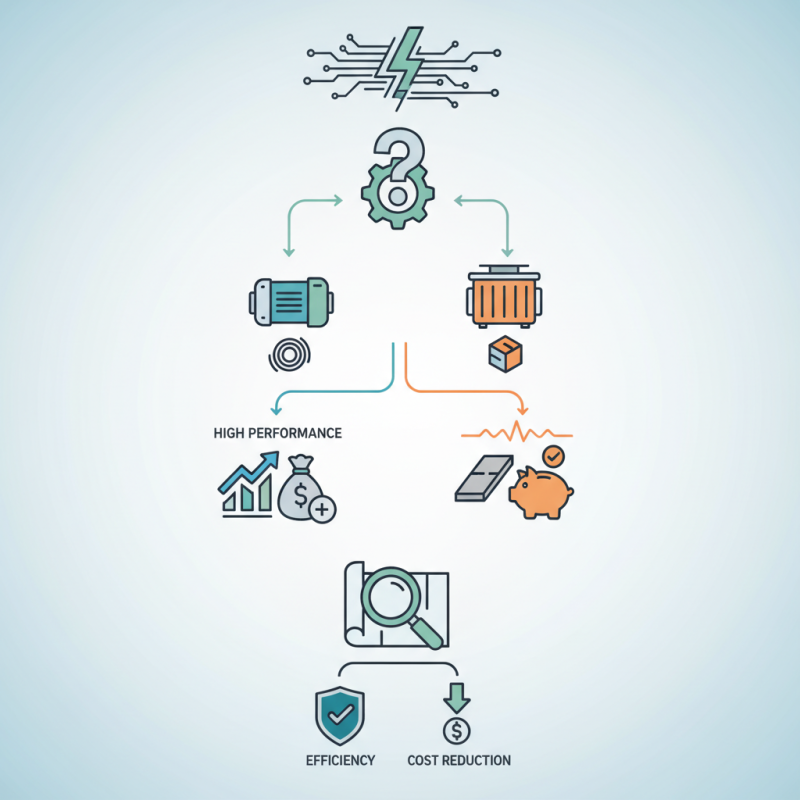
How to Choose the Right Electrical Steel for Your Project?
Choosing the right Electrical Steel for your project is crucial. Electrical steel is a specialty material used primarily in motor and transformer cores. Its magnetic properties directly influence the efficiency of electrical devices.
Various grades of electrical steel exist. Each has unique characteristics suited for different applications. For example, silicon steel offers better magnetic performance, but can be more expensive. Understanding these differences can be challenging.
Consider your project requirements carefully. The wrong choice can lead to inefficiencies and added costs. Reflecting on the specifications and needs may help you avoid common pitfalls. Take the time to assess all options before making a decision.
Factors to Consider When Choosing Electrical Steel for Your Project
Choosing the right electrical steel is crucial for project success. Several factors should guide your decision-making process. Key considerations include magnetic properties, core losses, and thickness. High magnetic permeability is essential for efficiency. Thinner sheets often reduce energy loss, but they might be more prone to damage.
When assessing magnetic properties, consider industry reports like those from the International Energy Agency. They highlight that lower core losses can improve motor efficiency by up to 30%. These gains can lead to significant cost savings in operational energy consumption.
Tip: Analyze your project requirements thoroughly. Understand the operating environment and load conditions. This insight helps you choose materials that balance performance and cost.
Another aspect is the coating type. Insulation can significantly affect performance. A suitable coating improves durability and reduces hysteresis losses. However, not all coatings suit every application. Research different options before finalizing your choice.
Tip: Consult with industry experts. They can provide insights that reports may not cover. Connecting with professionals can help clarify uncertainties and potential missteps in your selection process.
Types of Electrical Steel: Grain-Oriented vs. Non-Grain-Oriented
When selecting electrical steel for your project, understanding the differences between grain-oriented and non-grain-oriented steel is essential. Grain-oriented electrical steel features a specific grain structure, which enhances its magnetic properties. This makes it ideal for transformers and other applications where efficiency is crucial. The grains are aligned in a specific direction, allowing for better performance in magnetic flux applications. However, sourcing this type can be challenging, and costs may vary.
On the other hand, non-grain-oriented electrical steel possesses a random grain structure. This type is more versatile and can be easily produced. It performs adequately across various applications, like electric motors. However, it does not match the efficiency levels of its grain-oriented counterpart.
Some may overlook its benefits, thinking it lacks capability. But it's worth noting that it provides good performance for less critical applications.
Choosing the right steel depends on your specific needs. Consider factors like magnetic properties, cost, and application. Each type has its pros and cons. Understanding these nuances can be a complex task, yet it's critical for making informed decisions. Mistakes in selection could lead to inefficiencies down the line. Balancing performance with practicality is a challenge every designer faces.
Understanding Magnetic Properties: Core Loss and Permeability Metrics
Choosing the right electrical steel for a project hinges heavily on its magnetic properties. Core loss is a crucial factor. It represents energy lost as heat in magnetic materials during operation. High core losses lead to inefficiencies. Reports indicate that modern high-grade electrical steels can achieve core losses as low as 0.5 W/kg at 1.5 T and 50 Hz. This performance is essential for applications requiring energy efficiency.
Permeability metrics are equally important. They indicate how easily magnetic lines of force can pass through a material. Higher permeability results in better magnetic performance. Various grades of electrical steel offer different permeability levels. Some specialized grades can exceed 2000 μ, making them ideal for transformers and motors. However, engineers must not overlook that increased permeability can sometimes compromise mechanical strength. Balancing these properties is essential.
Understanding how core loss and permeability interact is vital. It influences the overall design and performance of electrical systems. In practical applications, this balance may often require trade-offs. For instance, a material with lower core loss might not achieve the highest permeability. Each project needs careful consideration of these metrics to avoid common pitfalls like increased overheating or energy waste.
Magnetic Properties of Electrical Steel: Core Loss and Permeability
This chart illustrates the core loss and permeability metrics of different types of electrical steel. Grain-oriented steel shows the lowest core loss and the highest permeability, making it ideal for transformer cores, while non-grain-oriented and silicon steels are useful for other applications yet demonstrate higher core losses.
Economic Considerations: Cost vs. Performance in Electrical Steel Selection
When selecting electrical steel, economic considerations play a crucial role. Cost can significantly impact project viability. However, performance should not be sidelined. Finding the right balance is key. Cheaper materials may save money upfront but could lead to higher long-term costs due to inefficiency.
Performance metrics like magnetic permeability and core losses must be evaluated. Higher quality steel often yields better energy efficiency. Yet, it comes with a price tag. Understanding your budget and project requirements is essential. Sometimes, spending more now can save in operational costs later.
Consider maintenance needs too. Cheaper steels may require more frequent replacement or repairs. This can inflate the overall project cost over time. It’s important to weigh these factors carefully. Reflection on initial choices can lead to better, more sustainable outcomes. Balancing cost and performance demands careful analysis and foresight.
Applications of Electrical Steel: Matching Steel Type to Project Requirements
When selecting the right electrical steel, applications vary significantly. Different types serve distinct roles in motors, transformers, and generators. For instance, silicon steel is ideal for transformers. This is due to its high magnetic permeability. It reduces energy losses effectively.
In contrast, non-oriented electrical steel may be suitable for motors. It performs well in multi-directional magnetic fields. Applications in electric vehicles also require specific grades. Factors such as cost, weight, and performance must be balanced. The right choice can drastically affect efficiency.
Keep in mind, the selection process isn't straightforward. More expensive materials may offer better performance, yet budgets might restrict options. Testing and prototyping can uncover potential issues. This may lead to revisions, ensuring optimal success. Always reflect on the requirements, as every project is unique. Each choice shapes the end product.