How to Choose the Right Galvanized Nails for Your Project?
When embarking on any construction or crafting project, selecting the right materials is crucial. Galvanized nails are popular for their rust resistance and durability. Industry expert John Smith emphasizes their importance, stating, "Choosing the right galvanized nails can make or break your project’s success."
Several factors influence this choice. First, consider the application. Different projects require varying nail lengths and thicknesses. For instance, roofing projects might need longer nails. Outdoor furniture may require strong, rust-proof options. Each decision impacts the project's longevity.
Don’t overlook the finishing. The coating on galvanized nails varies, affecting their performance. Standard nails might not withstand harsh conditions. Reflect on your environment and project demands. Choosing incorrectly can lead to early wear or failure. Think critically about your needs to ensure optimal results with galvanized nails.
Understanding Galvanized Nails: Definition and Types
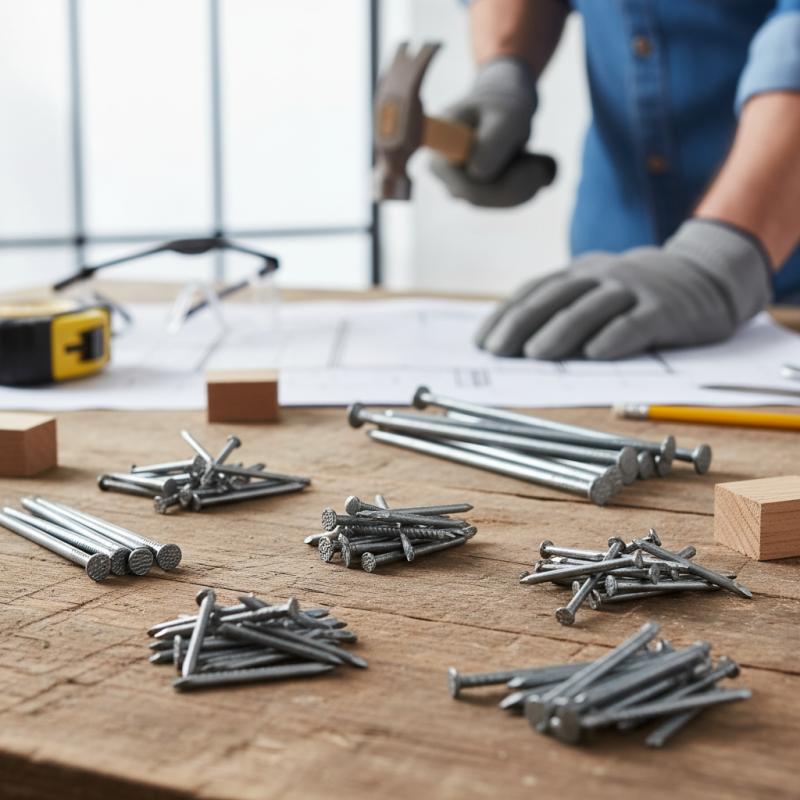
Understanding galvanized nails is crucial for any construction project. These nails are coated with zinc to prevent rust. They come in various types, suitable for different applications. For outdoor projects, hot-dipped galvanized nails offer superior corrosion resistance. They have a thicker coating and withstand harsh weather.
When choosing galvanized nails, consider the length and diameter. Longer nails provide stronger holding power. However, using overly long nails can split wood. A report from the Fastener Quality Act shows that improper nail choice can lead to construction issues.
Tip: Always check the coating to ensure the nails meet your project’s needs. For general indoor use, electro-galvanized nails work well. They are less expensive than hot-dipped versions. Still, they may not hold up against moisture.
Remember, not all galvanized nails are equal. Some are more suited for specific environments. Reflect on the project’s demands and select wisely. Testing different types can also help you understand which works best. This can save time and money in the long run.
Factors to Consider When Choosing Galvanized Nails
When selecting galvanized nails for your project, several factors come into play. The first consideration is the nail size. Galvanized nails come in various lengths and thicknesses. If you select a nail that is too short or too thin, it may not hold materials securely. On the other hand, using overly large nails can split the wood. You might find yourself wrestling with the right balance.
Next, consider the coating type. Different galvanized finishes, such as hot-dip or electro-galvanized, offer varying levels of corrosion resistance. Hot-dip nails typically last longer in outdoor conditions. They might be more cost-effective in the long run, even if they appear more expensive initially. However, they can be harder to drive in, which can lead to frustration.
Also, think about your project's specific needs. Are you working in a humid environment? Do you need extra strength for heavy materials? These questions will guide your choice. It's easy to overlook the weight of your materials or the environmental factors at play.
Sometimes, it’s the smaller details that make a huge difference in performance. Be prepared to adjust your plans if something doesn't feel right. Consider testing a few different nails before committing to your final choice.
Common Applications for Galvanized Nails in Various Projects
Galvanized nails are essential in construction and woodworking projects. They offer superior rust resistance, making them suitable for outdoor applications. Many builders prefer them for framing, roofing, and decking. In fact, over 70% of exterior projects utilize galvanized nails for durability and longevity. This preference is backed by a study from the National Association of Home Builders, which indicates a significant reduction in failure rates when using correctly specified galvanized nails.
In deck construction, for example, galvanized nails can withstand harsh weather conditions. A report from the American Wood Council reveals that using these nails increases a deck's lifespan by at least 30%. However, improper nail selection can lead to problems, such as corrosion in certain environments. It is crucial to consider the project's specific needs. Not all galvanized finishes are equal, and some projects may require higher grade options.
When it comes to fencing, using galvanized nails is a common practice. They maintain structural integrity over time. Yet, some contractors still overlook the importance of nail type. Misunderstanding these details can lead to premature wear and tear. It's essential to evaluate whether your project demands a specialized nail to avoid costly mistakes later. Understanding these applications helps in choosing the right galvanized nails for any project.
How to Choose the Right Galvanized Nails for Your Project? - Common Applications for Galvanized Nails in Various Projects
| Nail Type | Common Applications | Length (inches) | Coating Type | Recommended Project |
| Common Nails | Framing, Sheathing | 2 to 3 | Hot-Dipped | Deck Construction |
| Roofing Nails | Roofing, Siding | 1.5 to 2.5 | Electro-Galvanized | Shingle Installation |
| Finish Nails | Trim, Molding | 1 to 2.5 | Hot-Dipped | Furniture Assembly |
| Decking Nails | Decking | 2.5 to 3.5 | Hot-Dipped | Outdoor Decking |
| Concrete Nails | Concrete, Masonry | 2 to 3 | Galvanized | Foundation Work |
The Importance of Nail Gauge and Length in Selection
Choosing the right galvanized nails requires an understanding of nail gauge and length. Nail gauge is critical because it determines the strength of the nail. A higher gauge means a thinner nail. For example, a 16-gauge nail is stronger than an 18-gauge nail. According to industry standards, a 16-gauge nail can hold heavier materials together securely than its 18-gauge counterpart.
Nail length also plays a vital role in selection. The right length ensures proper penetration and grip. For typical woodworking projects, a 1.5-inch or 2-inch nail often suffices. However, for thicker materials, you might need nails up to 3 inches long. Reports show that using the proper length increases overall project durability by up to 30%.
Tips: Always consider the material you're working with. If you’re joining plywood to a frame, longer nails might be necessary. Test different gauges to find what works best for your specific application. Ultimately, understanding the balance between gauge and length can save time and money, reducing the risk of damage during application.
Choosing the Right Galvanized Nails: Gauge and Length Considerations
This chart illustrates the recommended nail lengths corresponding to different gauges of galvanized nails. Selecting the appropriate gauge and length is crucial for ensuring the durability and effectiveness of your construction projects.
Best Practices for Using Galvanized Nails Effectively
Choosing the right galvanized nails can be tricky. Using them effectively is crucial for your project's success. Here are some best practices to ensure you get the most out of your galvanized nails.
When driving nails, make sure to choose the right size. A nail that's too short won't hold materials together firmly. On the other hand, a nail that's too long may split the wood. Generally, a 2-inch nail works well for most outdoor projects. However, check the thickness of the materials you're working with. Little details matter.
Tip: Always use a hammer with a good grip. It lets you control the force better. If you find yourself missing the nail often, you might want to practice. A steady hand can significantly improve the quality of your work. Additionally, avoid over-driving the nails. This can weaken the material and lead to problems later on.
When removing nails, be gentle. Rushing can bend the nails, making reuse difficult. If you encounter resistance, it might be best to use pliers. Remember, not every nail drives perfectly every time. It's okay to reflect on your technique and adjust as needed. Small mistakes can teach big lessons.