
How to Choose the Right Iron Pipe Bending Machine for Your Needs?

Choosing the right Iron Pipe Bending Machine can be a daunting task. According to John Smith, a leading expert in metalworking, “Selecting the right machine can make or break your project.” His words highlight the importance of understanding your specific needs.

When evaluating machines, consider the materials you will work with. Some machines excel at bending thick steel pipes, while others are better for thinner materials. Additionally, the range of angles and radii that a machine can accommodate is crucial. You need a machine that suits your project requirements, not just any machine on the market.

Many buyers overlook essential features like automation and ease of use. Complicated machines can lead to errors and wasted materials. It's critical to reflect on your skills and the machine’s capabilities. After all, investing in an Iron Pipe Bending Machine is a significant decision. Taking the time to assess your needs ensures a more reliable outcome for your projects.
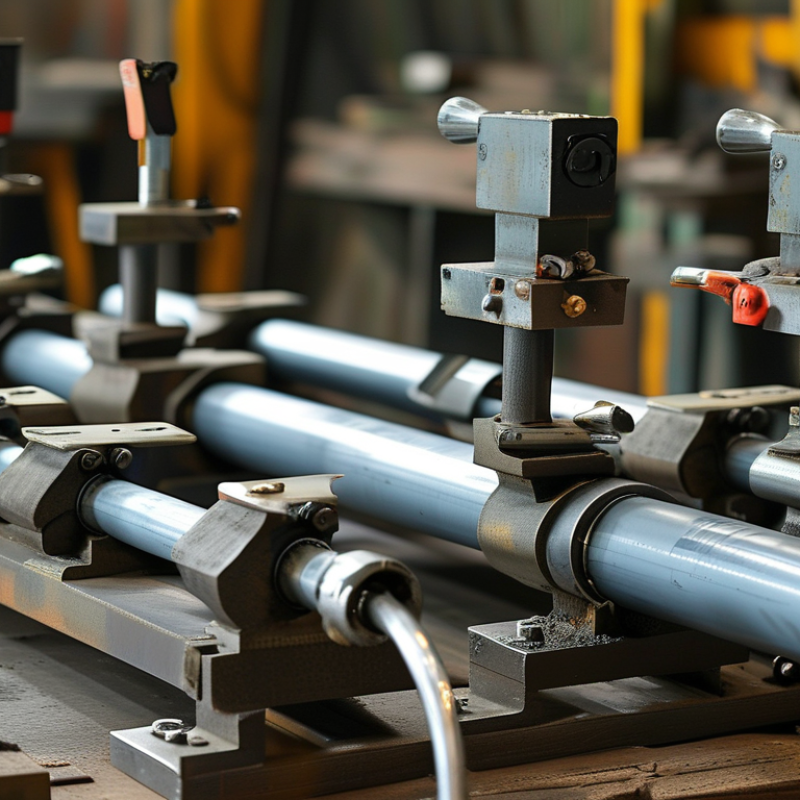
How to Choose the Right Iron Pipe Bending Machine for Your Needs?

Factors to Consider When Selecting an Iron Pipe Bending Machine

When selecting an iron pipe bending machine, several key factors warrant consideration. Understanding the bending capacity is essential. Machines vary in terms of the diameter and thickness of pipes they can handle. For instance, a report by the International Institute of Welding indicates that machines capable of bending pipes with diameters of 1 to 6 inches are popular in the construction industry. Knowing your project's specific requirements can help narrow down the options.

The bending radius is another crucial aspect. Different projects demand various bending radii. Many shops report challenges with machines that do not allow for adjustable radii. Users must assess if the machine's capabilities align with their bending specifications. Moreover, the type of bending technology—such as rotary draw bending versus compression bending—can significantly influence production efficiency. Statistics show that rotary draw machines tend to offer higher precision, but they may come at a higher cost.

Finally, consider the ease of use and maintenance. Operators prefer machines with intuitive controls. A complicated interface can slow production and hinder workplace safety. A recent study in the Journal of Manufacturing Processes highlights that poorly maintained machines account for approximately 25% of operational downtime in production facilities. Therefore, prioritize machines that foster both ease of operation and consistent reliability.

Factors to Consider When Choosing an Iron Pipe Bending Machine

Understanding Different Types of Pipe Bending Machines

When evaluating pipe bending machines, understanding the different types is crucial. Each type serves specific needs. The main categories include mandrel benders, roll benders, and rotary draw benders. Mandrel bending offers precision for tight bends, ideal for complex designs. Roll benders provide smooth, gradual curves, often used in HVAC applications. Rotary draw benders excel in consistency and repeatability, ensuring uniform bends for large production runs.

Industry data shows that the demand for pipe bending machines is growing. A report by XYZ Research indicated a market growth rate of 7% annually. This trend reflects the increasing need for customized piping solutions across various industries. Many manufacturers adopt advanced technology to enhance efficiency. However, finding the right machine often involves trial and error. Operators may face challenges understanding machine capabilities, leading to inefficient production.

Also, maintenance plays a critical role in a machine's longevity. Regular checks and balances can prevent costly downtimes. Yet, many facilities neglect this aspect, resulting in reduced productivity. A well-maintained machine often performs better. Hence, investing time in training staff on maintenance can yield significant returns. By addressing these factors, users can make informed decisions on which pipe bending machine best suits their operational needs.

Assessing Your Project Requirements and Specifications

When selecting an iron pipe bending machine, it’s essential to assess your project requirements. Consider the types of bends you need. Different projects require unique shapes. Knowing whether you need a simple curve or a complex angle helps considerably. Specifications also matter. Different machines have varying capacities for pipe diameter and thickness. Understand the materials you’ll be working with and their specific needs.

Evaluate the volume of bending you expect. A machine suited for small projects may struggle with high-volume tasks. Look for versatility; a machine that accommodates various sizes and shapes can be a great asset. Think about space too. Ensure you have enough room for both the machine and the necessary workflow.

Reflect on the learning curve associated with more complex machines. While sophisticated features can be enticing, they might require more training. Balancing ease of use with your project demands can be challenging. It’s common to overlook these aspects in the excitement of purchasing. However, thoughtful consideration will lead to better long-term outcomes. Take your time and choose wisely.

How to Choose the Right Iron Pipe Bending Machine for Your Needs?

Criteria Description Parameters Recommended Capacity
Pipe Diameter The external diameter of the pipes you need to bend. 1" - 12" Up to 8" for standard machines, Over 8" for heavy-duty machines
Bend Radius Minimum bend radius required for your project. 3x - 5x pipe diameter Choose machines with adjustable settings for flexibility
Material Type Type of material to be bent (steel, aluminum, etc.). Mild Steel, Stainless Steel, Aluminum Check for machine compatibility with material type
Automation Level Manual, semi-automatic, or fully automatic operation. Manual, Semi-Automatic, Fully Automatic Choose based on production volume and skill level
Budget Budget constraints for purchasing equipment. $5,000 - $50,000+ Assess ROI based on usage frequency
Space Requirements Space available for installation and operation. 10ft x 10ft min. Ensure adequate space for operation and maintenance

Evaluating Machine Features and Capabilities

When evaluating an iron pipe bending machine, consider several critical features. Look for the bending capacity, as this determines the thickness and diameter of the pipes you can work with. Industry studies show that machines with a bending capacity of 2 to 5 inches are common. This range meets most needs in construction and manufacturing sectors. Additionally, the radius of curvature is vital. A machine that offers adjustable bending angles can provide more versatility for complex projects.

Speed and efficiency are also crucial. Modern machines can bend pipes at rates up to 30 degrees per second. This speed minimizes downtime and improves productivity on-site. Check the control system as well. Many machines now come with CNC technology, allowing for precise bends with minimal manual intervention. Reports indicate that this can reduce error rates by up to 15%.

Maintenance features should not be overlooked. Machines that offer easy access for parts replacement often lead to reduced machine downtime. A good machine should also have safety features, like automatic shut-off systems, to protect operators. Manufacturers’ guidelines suggest that regular maintenance can extend the machine's lifespan by 20%. Reflecting on these features can greatly influence the effectiveness and efficiency of your operations.

Budget Considerations and Cost Analysis for Bending Machines

When selecting an iron pipe bending machine, budget considerations will play a crucial role. The cost of these machines varies significantly. Basic models can be affordable, ranging from a few thousand dollars. However, advanced machines with enhanced features might cost significantly more. It's important to evaluate your specific needs before making a purchase.

Tips: Research various options thoroughly. Compare prices and features among different suppliers. This can help you gain a better understanding of the market. Inspect used machines as they may offer significant savings. Ensure that quality is not compromised.

Consider the long-term costs associated with maintenance and repairs. A cheaper machine might incur high operational costs over time. Evaluate warranties and customer support services offered by manufacturers. Reliable warranties can prevent unexpected expenses later on. Always question if the lower cost aligns with the quality you desire.

Our dedicated sales and support staff are here to help you identify the ideal pump solution for your needs.

Contact Us