
Why Choose the Right PCB Board for Your Global Sourcing Needs?

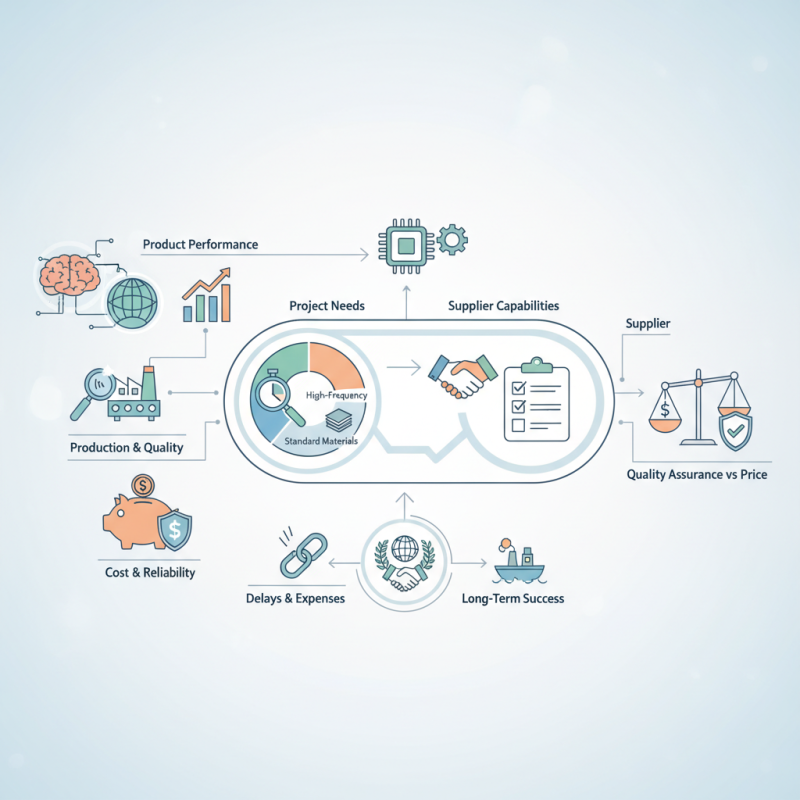
Choosing the right Pcb Board is crucial for global sourcing success. Renowned expert Dr. Emily Wang emphasizes, "The right PCB board can transform your product's performance."

In today's competitive market, the PCB board you select impacts production and quality. Sourcing decisions affect cost, reliability, and lead times. Overlooking these factors can lead to delays and increased expenses. Companies must weigh their options carefully.

Understanding the specific needs of your project is vital. Not every PCB board suits every application. For instance, high-frequency boards require different materials than standard ones. Evaluating suppliers’ capabilities is equally essential. It’s not just about price; quality assurance matters greatly. Balancing these needs can be difficult but is necessary for long-term success.
Why Choose the Right PCB Board for Your Global Sourcing Needs?

Understanding PCB Boards and Their Types in Global Sourcing

Understanding PCB boards is essential for effective global sourcing. These electronic components are crucial in connecting various devices. They come in diverse types, each serving a unique purpose. Rigid PCBs are common in mobile phones, providing stability. Flexible PCBs, on the other hand, adapt to various shapes, making them ideal for wearable technology.

Choosing the right type of PCB board can significantly impact the efficiency of electronic products. Sourcing high-quality materials is vital. Poor PCB quality can lead to unreliability. It's essential to assess manufacturing processes and material certifications to ensure compliance with industry standards.

However, not all suppliers provide the same level of quality. Some manufacturers may not fully disclose their processes. It can lead to sourcing challenges or unexpected failures in the field. Therefore, it's crucial to conduct thorough research and vetting of potential suppliers. Asking for samples and feedback from previous clients can reveal insights into their reliability. Understanding different PCB types helps in making informed sourcing decisions.

Key Factors to Consider When Selecting a PCB Board

Choosing the right PCB board is crucial for optimal performance in various applications. One key factor is the board's material. Different materials offer varying levels of electrical insulation and heat resistance. For instance, FR-4 is common for general use, but high-frequency applications may require Rogers or PTFE materials. Evaluating the specific application helps in making informed decisions.

Another important aspect is the board's layer count. Single-layer boards may suffice for simple designs, while complex circuits often need multi-layer boards. This can increase costs but enhances functionality. Additionally, consider the manufacturing processes involved. Some techniques can lead to defects, impacting overall product quality. Recognizing these risks is vital to ensure reliability.

Design complexity also impacts PCB selection. High-density interconnect (HDI) boards provide more routing options but can complicate repairs. Manufacturers must balance performance needs with potential repair difficulties. Ultimately, the choice of PCB board should align with both technical specifications and long-term sustainability. Reflecting on these factors ensures a more robust global sourcing strategy.

Impact of Quality on PCB Performance and Reliability

Choosing the right PCB board is crucial for any project. Quality significantly impacts performance and reliability. A well-made PCB ensures stable connections, reducing the risk of failure. Poor quality may lead to overheating, signal interference, or even total circuit failure.

When selecting a PCB board, consider the materials used. High-quality materials can withstand heat and environmental factors better. However, sourcing can be tricky. There are many options available, and not all suppliers meet high standards. Evaluating a supplier’s manufacturing process takes time and effort. A flaw in design or production might go unnoticed, leading to serious consequences down the line.

Moreover, testing is essential but often overlooked. Routine quality checks can catch issues early. Many manufacturers report problems after production, which complicates troubleshooting. This approach can leave engineers scrambling to fix issues late in the process. Reliability stems from both quality control and consistent performance in various conditions. When these elements align, it creates robust and dependable products.

Cost vs. Quality: Finding the Right Balance in Sourcing

In today's fast-paced electronics market, businesses face a critical decision: cost versus quality. Achieving the right balance is essential for successful global sourcing of printed circuit boards (PCBs). According to research from IPC, the global electronics manufacturing market was valued at approximately $1 trillion in 2022. This underscores the importance of quality sourcing methods in a competitive landscape.

Choosing low-cost PCB solutions can lead to compromised quality. A study by Gartner revealed that 70% of manufacturers experienced failure rates due to inadequate sourcing practices. High-quality PCBs often yield better performance and reliability, essential for devices in demanding environments. This reflects a value-driven strategy, where upfront investments in quality can reduce long-term costs associated with failures and warranty claims.

However, achieving the perfect balance remains challenging. Many companies struggle with the perception that high quality must always come at a high price. This belief can lead to missed opportunities with reputable suppliers who offer a blend of quality and affordability. Exploring partnerships that emphasize transparency and rigid quality control measures can help navigate this complex terrain. Balancing cost and quality requires ongoing evaluation and periodic reassessment of sourcing strategies as market dynamics evolve.

Building Relationships with PCB Suppliers for Global Sourcing

Building strong relationships with PCB suppliers is crucial for effective global sourcing. Trust and communication form the backbone of these partnerships. A reliable supplier understands your project needs and expectations. They must provide high-quality products consistently. Regular dialogue helps clear misunderstandings. Focus on transparency; it builds credibility.

Choosing the right supplier involves more than price. It includes assessing their production capabilities and quality assurance processes. Experience matters. A supplier's track record demonstrates their reliability. Regular visits or audits can highlight potential issues early. This proactive approach fosters stronger ties.

While many suppliers offer competitive rates, it's vital to look closely at their practices. Are they responsive to inquiries? Do they adhere to deadlines? These factors impact your project's success. Reflecting on past collaborations can help identify areas for improvement. Strengthening these relationships leads to better outcomes and smoother operations.

Global PCB Sourcing Needs: Comparison of Factors

Article Source:

Our dedicated sales and support staff are here to help you identify the ideal pump solution for your needs.

Contact Us