Top Tips for Choosing the Right Pulverizing Bowl for Your Needs?

Choosing the right pulverizing bowl is a crucial step in achieving the desired results in various applications. A pulverizing bowl can greatly influence the efficiency and quality of your material processing. This guide aims to provide actionable insights for selecting the most suitable pulverizing bowl for your specific needs.

Factors such as size, material, and design can significantly impact how well a pulverizing bowl performs. Pay attention to the type of samples you will be working with. Some materials require more robust bowls while softer samples may be adequately processed in lighter ones. The precision in your selection can save time and resources.

It's easy to overlook details when making this choice. However, considering your unique requirements will enhance your workflow. Analyzing your options thoroughly can lead to improved results. Each pulverizing bowl has its strengths and weaknesses, so reflecting on your needs is essential. Don't hesitate to seek expert advice if necessary, as their insights add depth to your decision-making process.
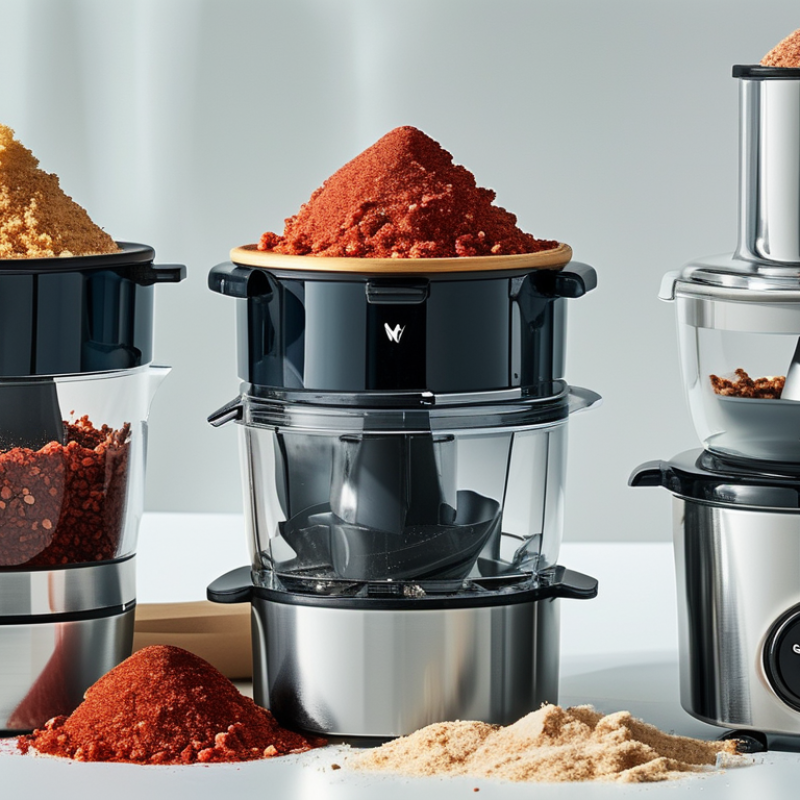
Top Tips for Choosing the Right Pulverizing Bowl for Your Needs?

Understanding the Different Types of Pulverizing Bowls Available

Choosing the right pulverizing bowl involves understanding various types available. Common types include glass, stainless steel, and ceramic bowls. Glass bowls are often favored for their visibility. You can see the ingredients while mixing. However, they can be fragile and may shatter if dropped.

Stainless steel bowls are durable and resistant to corrosion. They are easy to clean and can handle both hot and cold ingredients. Yet, they do not offer the same visual clarity as glass. Ceramic bowls, on the other hand, provide a balanced option. They maintain temperature well but can be heavy and require careful handling to prevent chips.

Each type has its advantages and disadvantages. Consider what matters most for your needs. Personal preference plays a role too. How do you prioritize visibility versus durability? That choice can impact your culinary experience. Reflect on your cooking habits. A good match can enhance your food preparation.

Key Factors to Consider When Selecting a Pulverizing Bowl

When selecting a pulverizing bowl, consider the material. Stainless steel offers durability and is easier to clean. Glass bowls can provide visibility, but they may be fragile. Ceramic bowls are excellent for heat resistance but can be heavy. The choice really depends on your specific needs and preferences.

Next, think about the size of the bowl. A bowl that is too small may not accommodate large quantities, leading to spills. On the other hand, a bowl that is too large can waste space. Pay attention to the bowl’s shape as well; a wider base stabilizes the bowl during use. Look for textured interiors that enhance grinding efficiency and minimize slippage.

Don't overlook the ease of use. Check for handles and pouring spouts for added convenience. Some bowls come with lids, which can be practical for storage or mixing. Reflect on your kitchen habits and how often you plan to use the bowl. Finding the perfect pulverizing bowl may take time and experimentation, but it is worth the effort to enhance your cooking experience.

Top Tips for Choosing the Right Pulverizing Bowl for Your Needs

Factor Description Importance Level Recommended Material
Size Choose a bowl that fits your workload. Larger bowls accommodate more material. High Ceramic, Stainless Steel
Material The material should be durable and appropriate for the substances being pulverized. Critical Glass, Plastic (for light use)
Design Ergonomic designs facilitate easier use and cleaning. Medium Standard Bowl Shape, Deep Bowl
Compatibility Ensure the bowl fits your pulverizing machine model. High Specified for Machine
Ease of Cleaning Consider bowls that are easy to clean to maintain hygiene. Medium Smooth Surface, Dishwasher Safe

Material Durability and Its Impact on Performance

Selecting the right pulverizing bowl significantly impacts your grinding process. Material durability is key to ensuring effective and efficient performance. Common materials used for these bowls include ceramics, stainless steel, and plastic. Each material has unique characteristics that can affect grinding quality and longevity.

Ceramic bowls are durable and resistant to scratches. They can handle high-speed grinding without wearing down quickly. However, they can chip if not handled carefully. Stainless steel bowls offer excellent strength and resistance to corrosion. Their smooth surfaces make them easy to clean, but they can be heavy. Plastic bowls are lightweight and affordable, yet they may not withstand aggressive grinding tasks over time, leading to potential wear and tear.

It's vital to consider your specific needs when choosing material. If you often grind tough substances, prioritize strength and durability. On the other hand, for light tasks, a more affordable option might suffice. The wrong choice can lead to subpar grinding and the need for frequent replacements. Reflecting on your grinding habits will guide you toward a suitable bowl that balances performance and longevity.

Size and Capacity: Finding the Right Fit for Your Needs

Choosing the right pulverizing bowl requires a good understanding of size and capacity. The dimensions of the bowl impact the volume of materials you can process. A larger bowl can handle more ingredients, but it may not fit well on your countertop or in your storage area. It’s essential to find a balance between capacity and practical use.

Consider the types of materials you will pulverize. If you’re working with bulk items, a bigger bowl might be necessary. However, if you're focused on smaller batches, a compact size could suffice. Pay attention to the bowl's depth as well. A shallow bowl may spill materials easily, while a deeper one can improve blending efficiency.

Be prepared for some trial and error. You may find that your first choice isn’t perfect. A bowl that seems ideal could hinder your workflow once you start using it. Evaluate your needs periodically. This can help you adjust your setup for better performance. Remember, the right size today may not be ideal tomorrow. It’s essential to remain flexible in your equipment choices.

Choosing the Right Pulverizing Bowl: Size and Capacity

Maintenance Tips for Longevity of Pulverizing Bowls

Choosing the right pulverizing bowl is essential for optimal performance. However, once you've made your selection, maintaining it becomes crucial. Regular maintenance ensures that your bowl lasts longer and continues to perform efficiently.

One effective method is to clean the bowl immediately after use. Residues can solidify and become harder to remove later. Gently scrub the inside with a soft brush and mild detergent. Avoid harsh chemical cleaners that can damage the surface. Rinse thoroughly and dry it well to prevent moisture buildup.

It's also vital to store your pulverizing bowl properly. Keep it in a dry place, away from direct sunlight. Using a soft cloth to wrap the bowl can prevent scratches and dust accumulation. Regularly inspect for cracks or chips that can affect functionality. Addressing these issues early on can save time and money in the long run. Taking care of your pulverizing bowl not only enhances its lifespan but also ensures consistent results in your grinding tasks.

Our dedicated sales and support staff are here to help you identify the ideal pump solution for your needs.

Contact Us